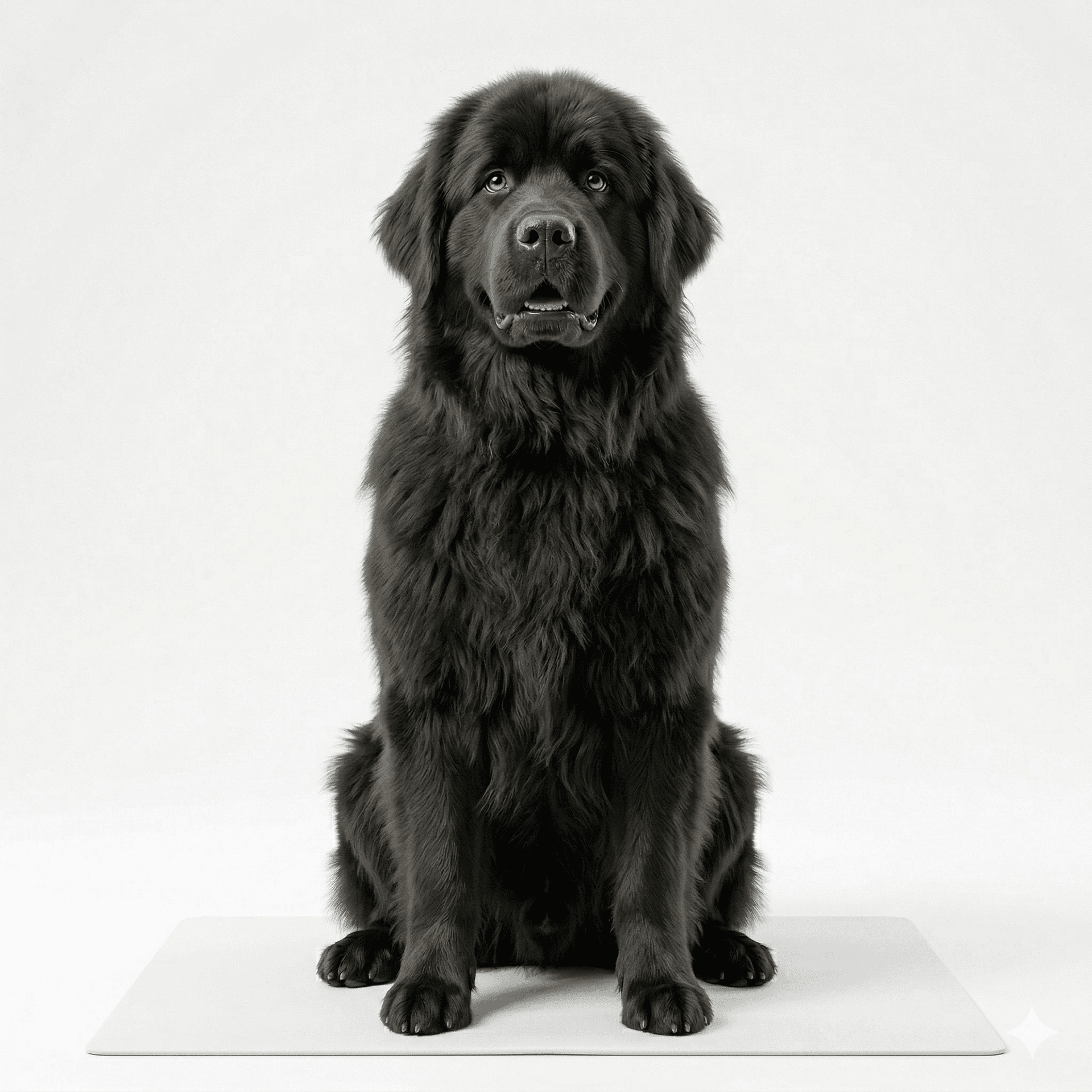
Anxiety & Stress in Newfoundlands: A Complete Owner's Guide
As a proud owner of a Newfoundland, you know how gentle and loving these giant companions can be. However, your Newfie may also be prone to anxiety and stress, which can manifest in various ways. Understanding the signs and causes of anxiety in your Newfoundland is crucial for their well-being. Newfoundlands, with their sensitive nature and strong emotional bonds to their families, require owners who can recognize when their furry friend is feeling overwhelmed. This guide will help you identify anxiety and stress in your Newfoundland and provide practical solutions to ensure their happiness.
What is Anxiety & Stress?
Anxiety and stress in dogs can arise from various stimuli, presenting as a response to perceived threats or changes in their environment. For Newfoundlands, who are known for their affectionate and sensitive temperament, anxiety can lead to distressing behaviors such as excessive barking, destructive chewing, or even withdrawal. The mechanisms behind anxiety involve the dog's brain responding to stressors—whether they are internal (like fear of separation) or external (like loud noises). Stress hormones flood the system, and if this state persists, it can lead to chronic anxiety, impacting the dog's overall health. Understanding these mechanisms is vital for owners in recognizing when their Newfie may need support.
Warning Signs to Watch For in Your Newfoundland
Recognizing the signs of anxiety and stress in your Newfoundland is the first step towards helping them. Common behaviors include:
- Pacing or Restlessness: If your dog seems unable to settle down, it may indicate anxiety.
- Excessive Barking or Whining: While Newfoundlands are generally quiet, increased vocalization can be a sign of distress.
- Destructive Behavior: Chewing or scratching at furniture or other items may be a coping mechanism for anxiety.
- Changes in Appetite: Stress can affect a dog's willingness to eat, leading to weight loss or gain.
- Aggression or Fearfulness: Newfoundlands can become more protective or fearful under stress, leading to unexpected aggressive behaviors.
- Hiding or Withdrawal: A stressed dog may seek solitude and avoid interaction. Noticing these signs early can help you intervene before the situation escalates.
Why Newfoundlands Are Particularly Affected
Newfoundlands are known for their gentle nature and strong bonds with their families, characteristics that can make them particularly vulnerable to anxiety and stress. This breed is large and sensitive, often requiring more attention and reassurance than smaller breeds. Furthermore, health issues common to Newfoundlands, such as dilated cardiomyopathy and hip dysplasia, can exacerbate feelings of discomfort and anxiety. For example, a Newfoundland suffering from pain may become more irritable or withdrawn. Additionally, their predisposition to conditions like subvalvular aortic stenosis can lead to increased stress levels, particularly during vet visits or when experiencing physical discomfort. Understanding these breed-specific vulnerabilities is essential for providing the right support and environment for your Newfoundland.
How Serious Is It? When to See the Vet
Not all anxiety is created equal, and knowing when to seek veterinary advice is crucial. If your Newfoundland exhibits signs of anxiety, monitor the behavior for a few days. If these signs persist or worsen, it’s time to consult your vet. Red flags include severe avoidance behaviors, aggression, or sudden changes in behavior or health (such as refusing to eat or drink). Additionally, if your dog is experiencing physical symptoms like vomiting, diarrhea, or excessive panting alongside anxiety, immediate veterinary attention is warranted. Anxiety can lead to serious physical health issues if left unaddressed, making early intervention key to your dog's well-being.
Treatment Options & What Your Vet Might Recommend
When you consult your vet about anxiety in your Newfoundland, they may recommend a variety of treatment options. Behavioral modification techniques, such as desensitization and counter-conditioning, can help your dog cope with anxiety triggers. In some cases, medication may be prescribed to help manage severe anxiety, especially if your dog shows little improvement with behavioral therapies alone. Additionally, your vet may suggest calming supplements or chews to provide immediate relief during stressful situations. Natural remedies, such as pheromone diffusers or calming music, can also create a soothing environment for your Newfoundland. Remember, each dog is unique, and your vet will tailor the treatment plan to fit your dog's specific needs.
Preventing Anxiety & Stress in Newfoundlands
Prevention is always better than cure, especially when it comes to anxiety. To help your Newfoundland lead a stress-free life, consider the following strategies:
- Establish a Routine: Dogs thrive on predictability. Establish regular feeding, walking, and playtimes to create a sense of security.
- Socialization: Early and positive exposure to various environments, sounds, and people can help your Newfie feel more at ease.
- Physical Exercise: Regular exercise can reduce stress and excess energy, making your dog more relaxed at home.
- Mental Stimulation: Engage your Newfoundland in puzzle toys or training sessions to keep their mind occupied and reduce anxiety.
- Safe Space: Create a designated area in your home where your dog can retreat if they feel overwhelmed.
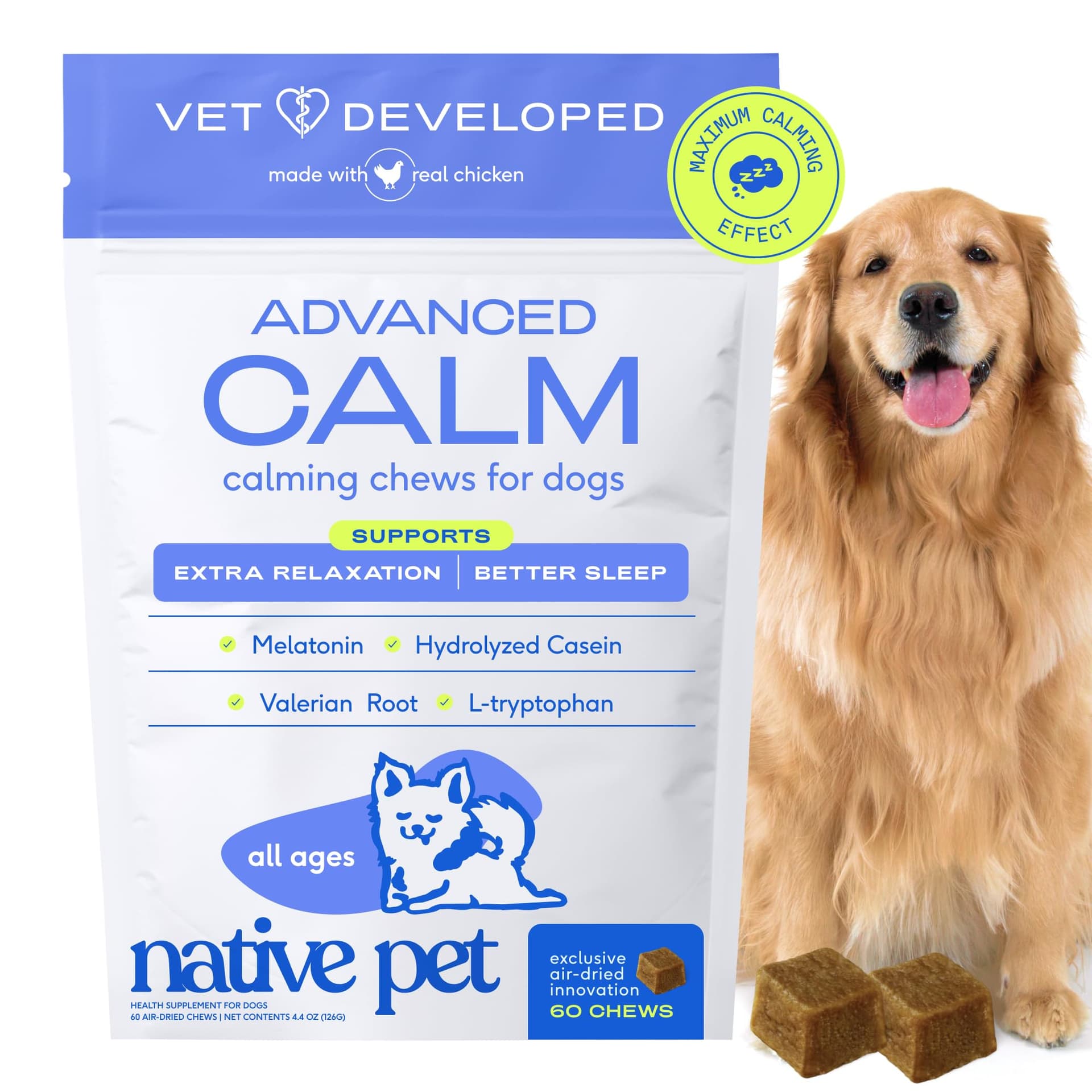
- Calming Products: Consider using calming chews or supplements during known stressors like thunderstorms or vet visits. These proactive measures can significantly mitigate anxiety and enhance your dog's quality of life.
Helpful Products for Managing Anxiety


In Summary
Understanding and addressing anxiety and stress in your Newfoundland is essential for their happiness and well-being. By recognizing the signs, seeking appropriate treatment, and implementing preventive measures, you can create a supportive environment for your furry friend. Remember, you're not alone in this journey; many Newfoundland owners face similar challenges. Early attention to anxiety can make a significant difference in your dog's quality of life. Trust your instincts, and don’t hesitate to reach out to your vet for guidance. Your Newfie will thank you for it!