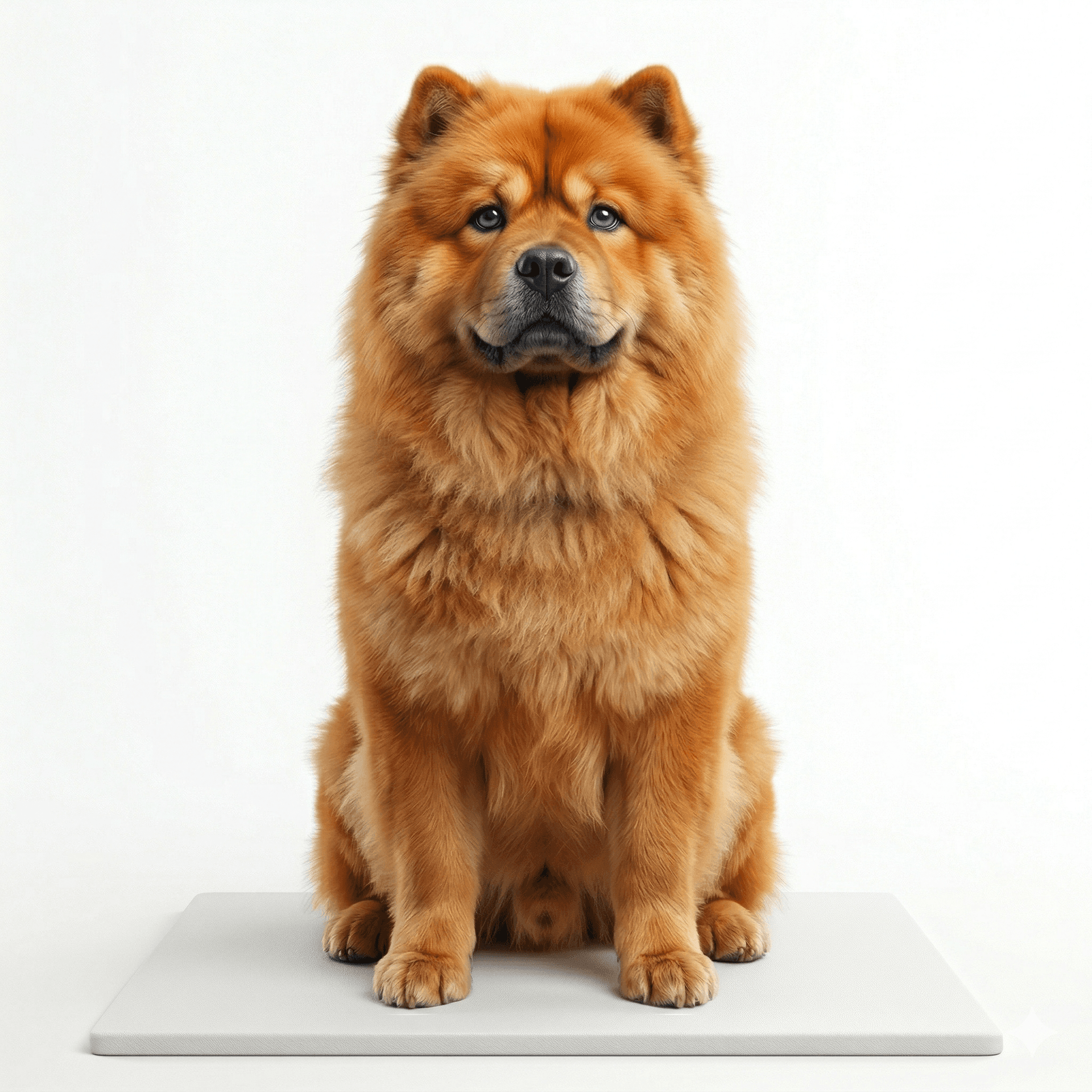
Signs of Joint Pain & Mobility Issues in Chow Chows: What Every Owner Should Know
As a proud Chow Chow owner, you are likely familiar with the unique quirks of this loyal breed. However, joint pain and mobility issues can quietly creep in, affecting your furry friend's quality of life. Given the Chow's predisposition to conditions like hip and elbow dysplasia, it's crucial to recognize the signs early. Understanding how to spot these issues can make a significant difference in your dog's comfort and happiness, ensuring they remain the regal companions you adore.
What is Joint Pain & Mobility Issues?
Joint pain and mobility issues refer to discomfort or impaired movement in the joints, which can stem from various causes, including arthritis, dysplasia, or injury. In dogs, this pain often manifests as difficulty in walking, running, or even standing up. The mechanism typically involves inflammation in the joints or deterioration of the cartilage that cushions them. For Chow Chows, their robust build and genetic predispositions make them more susceptible to these problems. As they age, wear and tear on their joints can lead to chronic pain, affecting their overall mobility and activity levels. Recognizing and addressing these issues early can enable you to provide your Chow Chow with a better quality of life.
Warning Signs to Watch For in Your Chow Chow
It's essential to be vigilant about the warning signs of joint pain and mobility issues in your Chow Chow. Common symptoms include limping, reluctance to climb stairs, difficulty getting up from lying down, and decreased activity or playfulness. You may also notice your Chow Chow becoming easily fatigued during walks or exhibiting stiffness after resting. Watch for changes in their behavior, such as increased irritability or withdrawal from social interactions, which could indicate discomfort. Additionally, if your Chow Chow frequently licks or bites at their joints, it may be a sign of pain. Being proactive in observing these signs can help you address any potential issues before they escalate.
Why Chow Chows Are Particularly Affected
Chow Chows are particularly vulnerable to joint pain and mobility issues due to a combination of genetic and physical factors. As a breed, they are prone to hip and elbow dysplasia, conditions that can cause significant pain and discomfort as they develop. Additionally, their robust build and heavy coat can make them less agile, putting more stress on their joints, especially in hot weather due to their brachycephalic tendencies. Hypothyroidism, another common health concern in Chow Chows, can contribute to weight gain, further exacerbating joint problems. Furthermore, their unique eyelid condition, entropion, may lead to discomfort, distracting them from mobility issues. Understanding these breed-specific vulnerabilities can empower you to take preventive measures.
How Serious Is It? When to See the Vet
While occasional stiffness or minor limping may not require immediate veterinary attention, it's vital to recognize when a situation becomes serious. If your Chow Chow shows persistent signs of pain, struggles to move, or exhibits changes in appetite or behavior, it’s crucial to consult your veterinarian. Red flags include severe limping, swelling in the joints, or any signs of distress such as whining or yelping when touched. Additionally, if your Chow Chow is reluctant to engage in activities they previously enjoyed, it’s time for a veterinary evaluation. Early diagnosis and intervention can significantly improve your dog's prognosis and quality of life.
Treatment Options & What Your Vet Might Recommend
Treatment for joint pain and mobility issues in Chow Chows often begins with a thorough veterinary examination. Your vet may recommend anti-inflammatory medications or pain relief options, such as non-steroidal anti-inflammatory drugs (NSAIDs). In some cases, joint supplements containing glucosamine and chondroitin may be suggested to help support joint health. Physical therapy can also be beneficial, focusing on improving mobility and reducing pain through tailored exercises. In severe cases, surgical options might be explored to correct structural issues. It's essential to follow your vet's recommendations and have open discussions about your Chow Chow’s treatment plan to ensure the best outcomes.
Preventing Joint Pain & Mobility Issues in Chow Chows
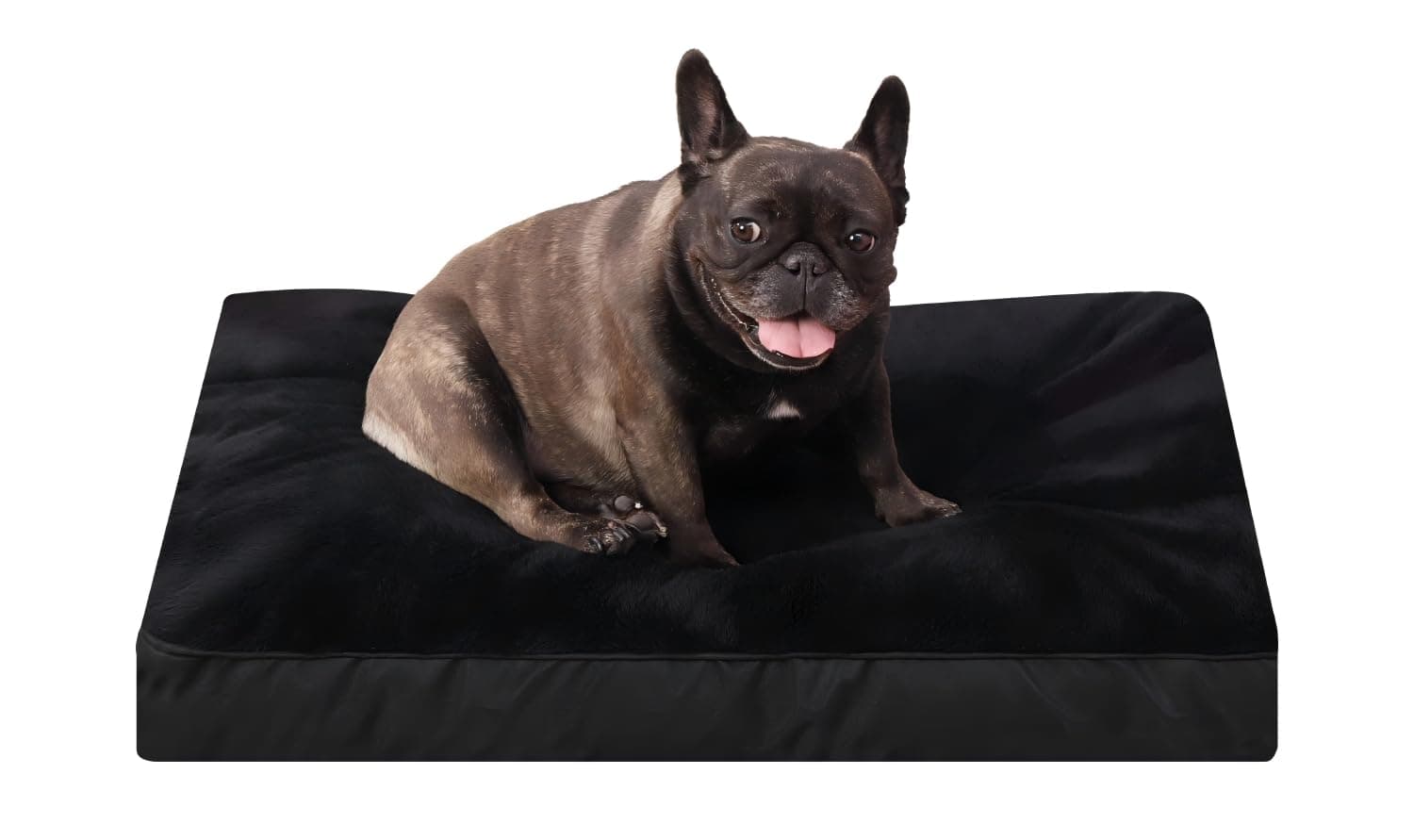
Preventive measures can play a crucial role in maintaining your Chow Chow's joint health. Ensure they maintain a healthy weight, as excess weight can put additional stress on their joints. Regular, controlled exercise is essential; consider low-impact activities like swimming or walking to keep them active without overexerting them. Incorporating joint supplements into their diet, especially as they age, can be beneficial. Regular veterinary check-ups will help monitor their joint health and catch any issues early. Additionally, providing a comfortable resting place with adequate support, such as a plush dog bed, can help alleviate any joint pressure and improve their overall comfort.
Recommended Products for Joint Health

In Summary
Understanding joint pain and mobility issues in Chow Chows is crucial for every owner. By being attentive to the signs and taking proactive measures, you can help your furry friend lead a comfortable and happy life. Remember, early intervention is key, so don’t hesitate to consult your veterinarian if you notice any concerning symptoms. Your Chow Chow relies on you for their care, and with your support, they can continue to thrive.