
Dental Disease in Siberian Huskys: A Complete Owner's Guide
Siberian Huskies are known for their striking appearance and vibrant energy, but did you know that dental disease can be a significant concern for this breed? Many owners overlook their dog's oral health, yet studies show that up to 80% of dogs will experience some form of dental disease by the age of three. For Huskies, whose active lifestyle may mask underlying health issues, it’s crucial to stay vigilant. Understanding the signs and preventative measures can help ensure your furry friend remains healthy and happy.
What is Dental Disease?
Dental disease, commonly referred to as periodontal disease, involves inflammation and infection of the structures surrounding the teeth. It begins with plaque buildup on the teeth, which hardens into tartar if not removed. The bacteria in plaque can lead to gingivitis, characterized by swollen and bleeding gums. If left untreated, periodontal disease can progress to affect the bone and tissues that support the teeth, resulting in tooth loss and potential systemic issues. In dogs, dental disease can also lead to pain, difficulty eating, and even problems in internal organs due to bacteria entering the bloodstream. Regular dental care is crucial for preventing these complications, especially for breeds like the Siberian Husky, which may be less prone to hereditary health issues but can still suffer from dental problems.
Warning Signs to Watch For in Your Siberian Husky
As a Siberian Husky owner, being aware of the signs of dental disease is vital for early intervention. Common symptoms include bad breath (halitosis), red or swollen gums, difficulty chewing, and excessive drooling. You might also notice your Husky pawing at their mouth or showing signs of discomfort when eating. Another red flag is the presence of loose teeth or visible tartar buildup. If your dog is reluctant to play with toys or shows a preference for soft food, it could indicate oral pain. Regular dental check-ups and being attuned to these signs can help you address potential issues before they escalate into serious health concerns.
Why Siberian Huskys Are Particularly Affected
Siberian Huskies are generally considered healthy dogs, with a lower incidence of many hereditary diseases. However, their unique jaw structure and strong propensity for chewing can predispose them to dental issues. The breed’s love for vigorous play and their tendency to chew on hard objects may contribute to wear and tear on their teeth. Furthermore, Huskies can be prone to zinc-responsive dermatosis, which, while primarily a skin condition, can also affect their overall health, including oral health. This means that while they may not be at high risk for certain genetic dental diseases, their lifestyle choices and unique physiology necessitate vigilant dental care.
How Serious Is It? When to See the Vet
Dental disease can range from mild to severe, and knowing when to consult your veterinarian is crucial. If you notice persistent bad breath, swollen gums, or any signs of pain, it's time to make an appointment. Additionally, if your Husky shows a sudden change in eating habits or exhibits behavioral changes such as irritability, it may indicate oral discomfort. Regular dental check-ups should be part of your dog's healthcare routine, ideally every six months. Early detection can help prevent more severe health issues down the line, including heart and kidney problems linked to untreated dental disease.
Treatment Options & What Your Vet Might Recommend
If your Siberian Husky is diagnosed with dental disease, your veterinarian will likely recommend a treatment plan tailored to the severity of the condition. This may include professional dental cleanings, extractions of diseased teeth, and possibly antibiotics to manage infection. In some cases, your vet may suggest dental products or supplements designed to promote oral health. They may also provide guidance on home care strategies, emphasizing the importance of regular brushing and dental treats. Remember, your vet's advice is essential in determining the best course of action for your dog's specific needs.
Preventing Dental Disease in Siberian Huskys
Preventing dental disease in your Siberian Husky involves a combination of good oral hygiene practices and regular veterinary care. Start by introducing a dental care routine at home, including brushing your dog’s teeth several times a week, if not daily. Use dog-friendly toothpaste and consider dental wipes for easier cleaning. Providing dental chews and toys can also help reduce plaque and tartar buildup. Additionally, schedule regular vet visits for professional cleanings and assessments. Keeping your Husky’s oral health in check is integral to their overall well-being and can lead to a happier, healthier life.
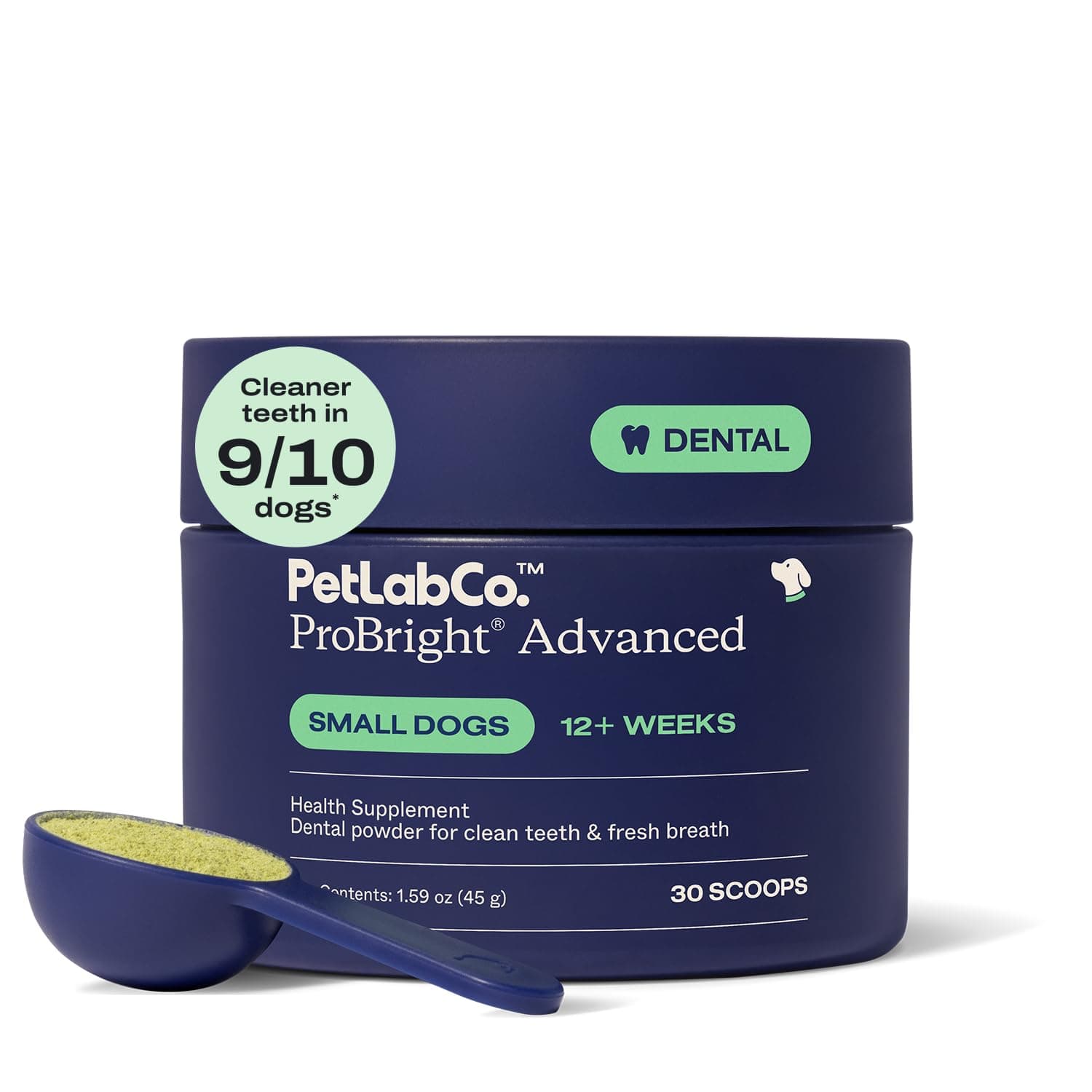
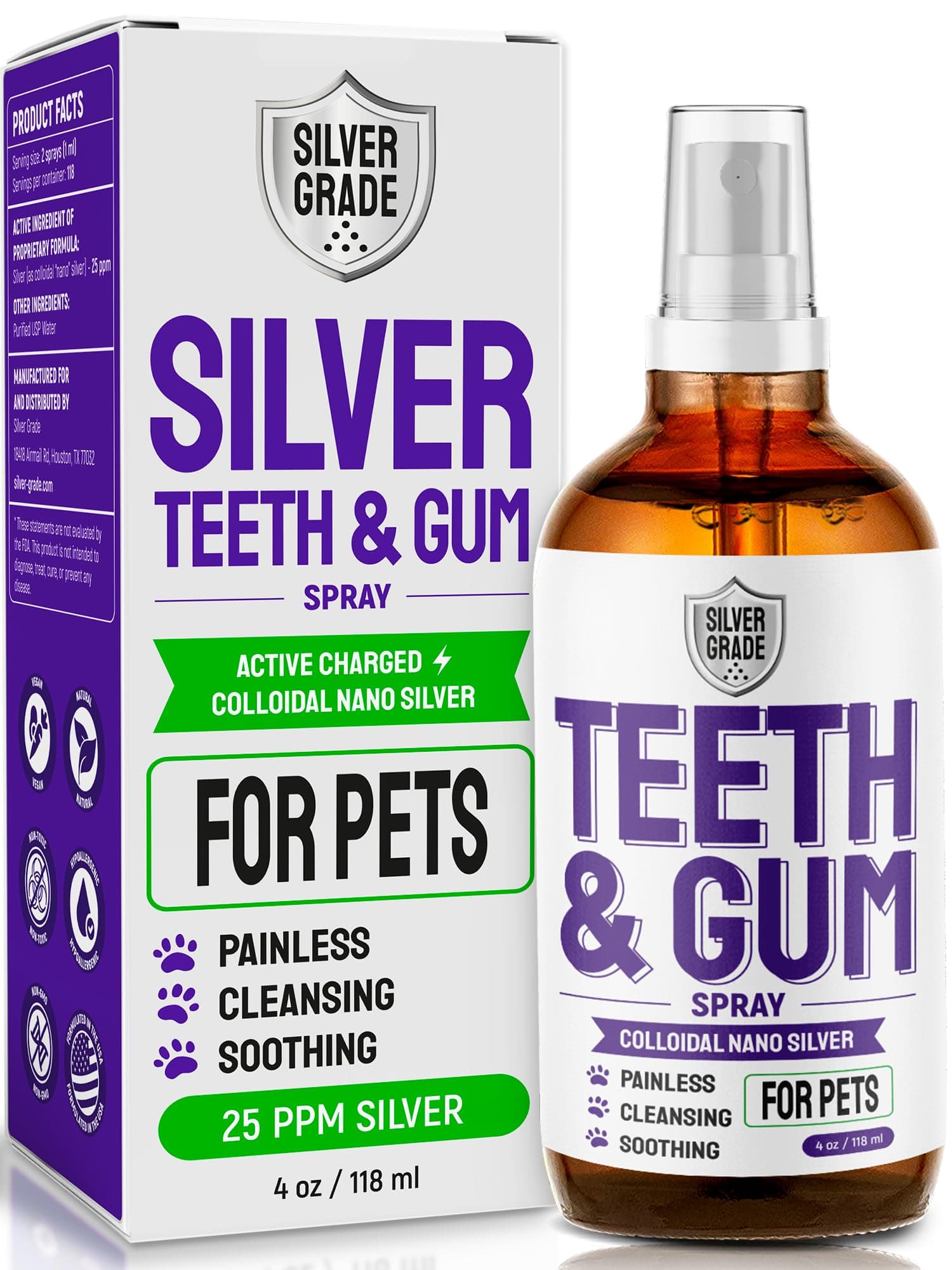
Helpful Products for Your Husky's Dental Care

In Summary
Maintaining your Siberian Husky's dental health is crucial not only for their oral hygiene but also for their overall well-being. By recognizing the signs of dental disease early and establishing a preventative care routine, you can help ensure a long, healthy life for your furry friend. Remember, regular veterinary check-ups and a commitment to home care are key components in the fight against dental disease. Your Husky deserves the best care, and with your attention, they can thrive.