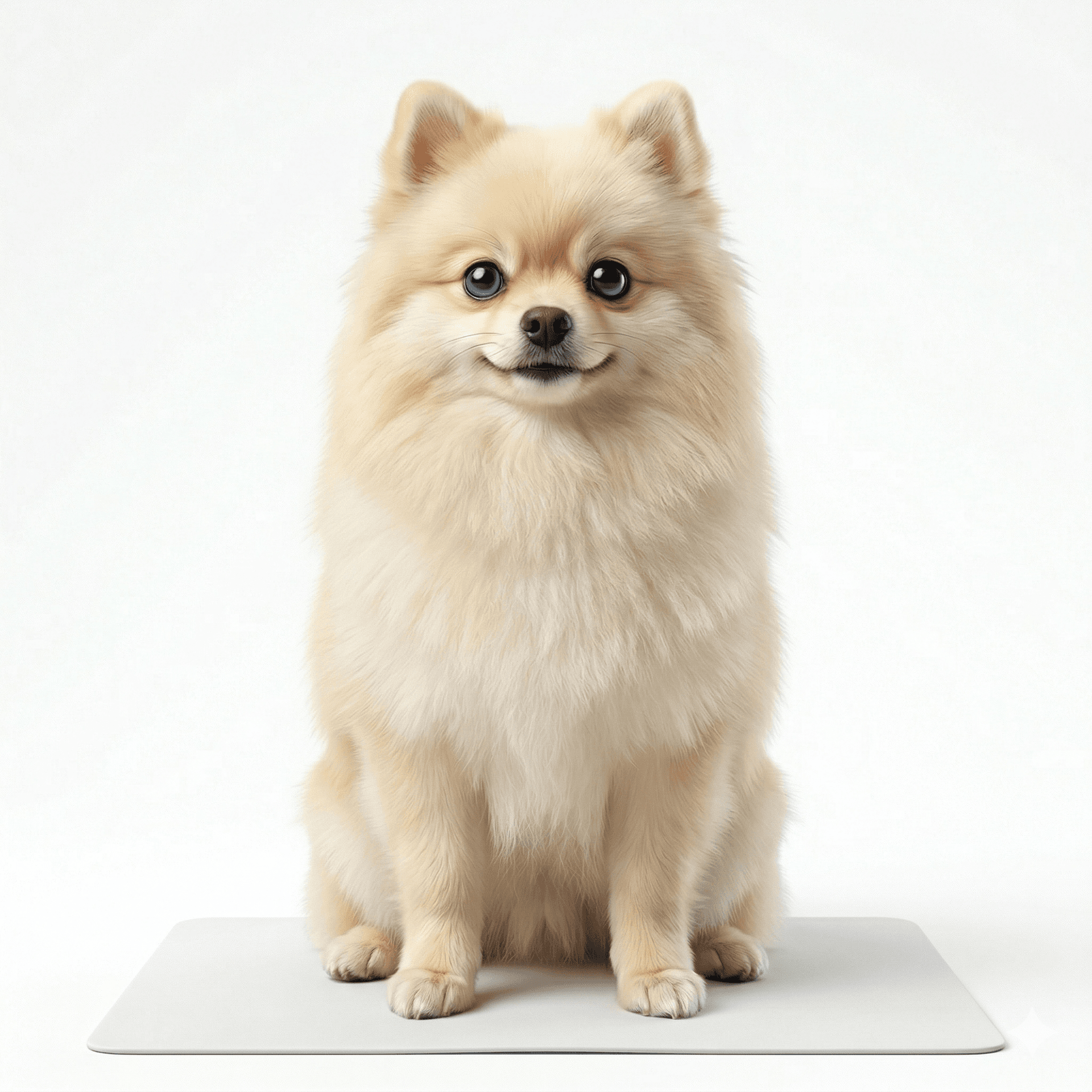
Signs of Digestive Problems in Pomeranians: What Every Owner Should Know
Pomeranians are known for their lively personalities and fluffy coats, but like all small breeds, they can face unique health challenges. One of the most concerning issues for Pomeranian owners is digestive problems. With their tiny stomachs and quirky eating habits, these little companions can experience a range of digestive disturbances, from mild upset to serious conditions. Understanding the signs, causes, and preventative measures can make a significant difference in your Pomeranian's health and happiness, allowing you to provide the care they deserve.
What is Digestive Problems?
Digestive problems in dogs encompass a range of disorders affecting the gastrointestinal (GI) tract, which includes the stomach, intestines, and associated organs. Common digestive issues can include vomiting, diarrhea, constipation, bloating, and loss of appetite. The digestive system is responsible for breaking down food into nutrients that the body can use, so when it malfunctions, it can lead to various health complications. In Pomeranians, digestive problems can arise from factors such as dietary indiscretion, food intolerances, or underlying medical conditions. The delicate nature of their digestive systems means that even minor disturbances can lead to significant discomfort. For instance, Pomeranians might inadvertently ingest foreign objects or consume rich human food that their systems cannot handle, leading to gastrointestinal upset. By recognizing and addressing these problems early, owners can help their pets maintain optimal digestive health.
Warning Signs to Watch For in Your Pomeranian
As a Pomeranian owner, it’s crucial to be vigilant about any changes in your dog’s behavior or routine. Common warning signs of digestive problems include:
- Vomiting: Occasional vomiting can occur, but frequent vomiting or vomiting that persists for more than 24 hours can indicate a serious issue.
- Diarrhea: Loose or watery stools may signal dietary indiscretion or an underlying illness. Pay attention to the frequency and any accompanying symptoms.
- Loss of Appetite: If your Pomeranian suddenly refuses food or shows little interest in eating, it could be a sign of digestive distress.
- Bloating or Abdominal Pain: If your Pomeranian appears uncomfortable, is reluctant to move, or has a visibly swollen abdomen, seek veterinary attention immediately.
- Flatulence: Excessive gas can indicate digestive issues and may lead to discomfort.
- Lethargy or Behavioral Changes: A sudden change in energy levels or behavior can be a sign that something is not right.
By keeping an eye out for these symptoms, you can help ensure your Pomeranian receives timely care.
Why Pomeranians Are Particularly Affected
Pomeranians, like many small breeds, are prone to certain anatomical and health issues that can exacerbate digestive problems. Their small size means they have smaller stomachs and shorter intestines, which can make them more susceptible to dietary indiscretion and food intolerances. Additionally, Pomeranians often have crowded mouths, which can lead to dental disease—a condition that can indirectly affect their ability to chew food properly, leading to gastrointestinal issues. Moreover, their playful nature often leads them to consume non-food items, which can cause blockages or irritation in their digestive tract. Lastly, conditions like tracheal collapse can also affect their overall health and appetite, further complicating digestive issues. Understanding these breed-specific vulnerabilities can help owners take proactive steps to prevent and address digestive problems.
How Serious Is It? When to See the Vet
Digestive problems can range from minor to severe, and knowing when to consult a veterinarian is crucial for your Pomeranian's health. Red flags that warrant immediate veterinary attention include:
- Persistent Vomiting or Diarrhea: If your dog has been vomiting or has diarrhea for more than 24 hours, it's time to seek help.
- Severe Abdominal Pain: If your Pomeranian is whining, lethargic, or unwilling to be touched around the abdomen, it could indicate a serious issue like bloat or intestinal obstruction.
- Dehydration: Signs of dehydration can include dry gums, excessive panting, or skin that doesn't bounce back when pinched.
- Loss of Appetite for More than 24 Hours: If your dog refuses to eat for a significant period, it can lead to further health complications.
- Presence of Blood: Whether in vomit, diarrhea, or stool, any blood is a cause for concern and requires immediate veterinary assessment.
Being proactive and consulting your vet when you notice these signs can ensure your Pomeranian receives the necessary care and treatment.
Treatment Options & What Your Vet Might Recommend
When you take your Pomeranian to the vet for digestive issues, the veterinarian will likely begin with a thorough examination and may recommend diagnostic tests such as blood work, X-rays, or ultrasounds to determine the underlying cause. Treatment options can vary widely depending on the diagnosis.
- Dietary Changes: Your vet may suggest a special diet that is easier on your dog’s digestive system, including prescription dog food designed for sensitive stomachs.
- Medications: Depending on the condition, your vet may prescribe medications to address inflammation, reduce nausea, or treat infections.
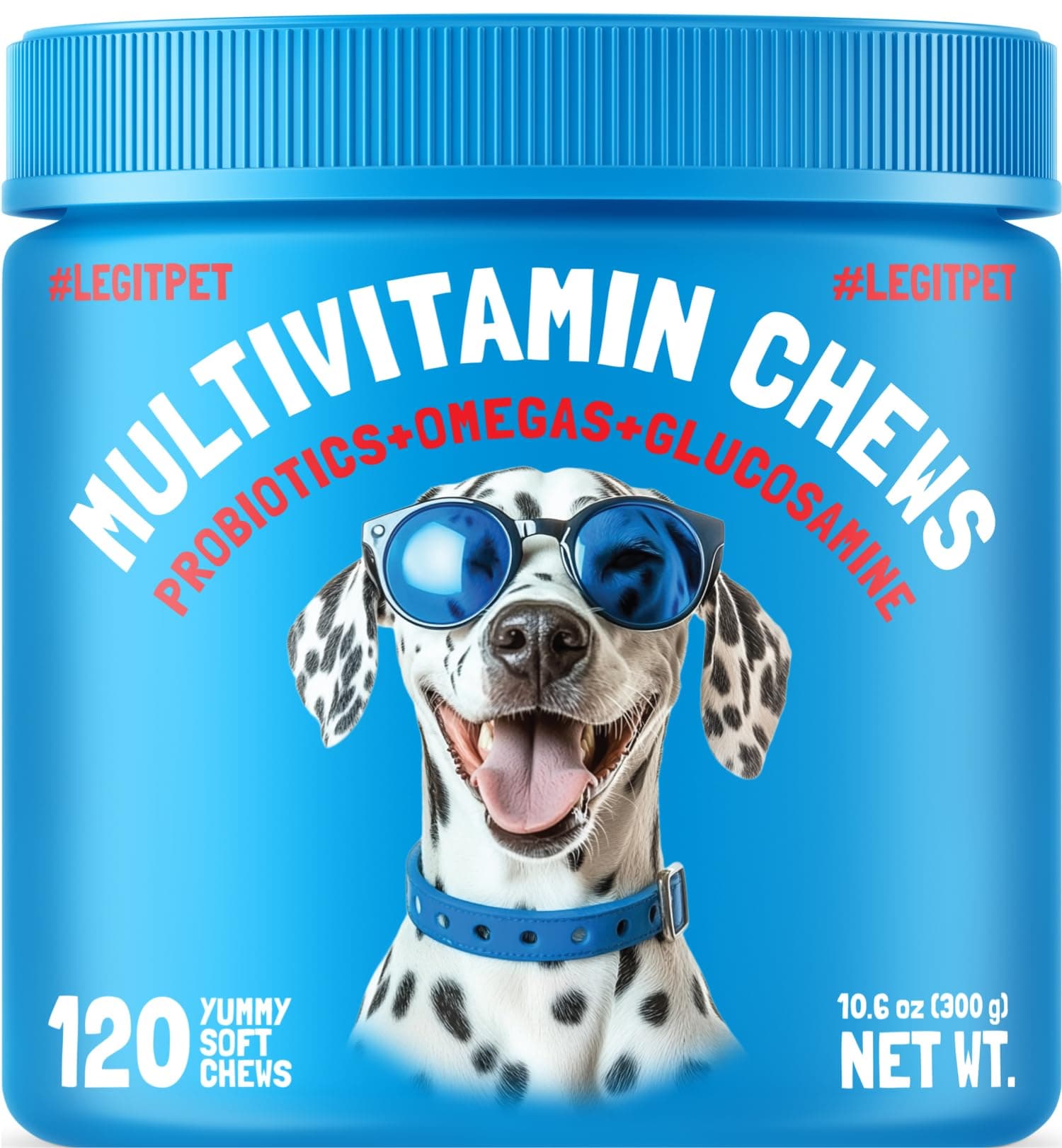
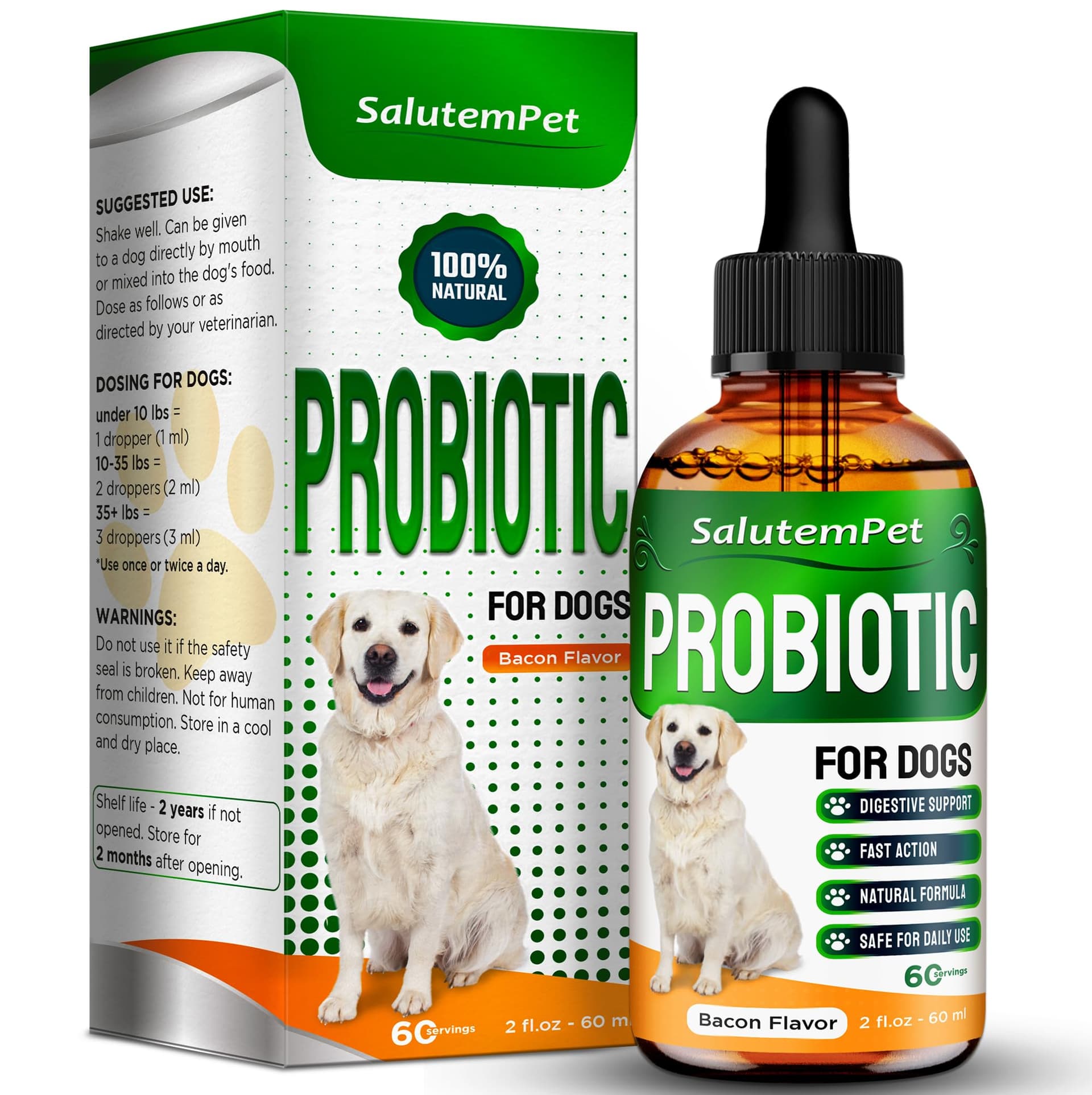
- Probiotics: These can help restore healthy gut flora and improve digestion.
- Hydration Therapy: If your Pomeranian is dehydrated, your vet may recommend intravenous fluids to rehydrate them.
In some cases, surgery may be required if there is an obstruction or a more serious issue. Always follow your vet's recommendations closely to ensure the best outcome for your furry friend.
Preventing Digestive Problems in Pomeranians
Prevention is key to maintaining your Pomeranian’s digestive health. Here are some practical tips to help minimize the risk of digestive problems:
- Choose High-Quality Food: Opt for a well-balanced diet formulated specifically for small breeds. Avoid sudden changes in diet, as this can upset their stomachs.
- Regular Feeding Schedule: Establishing a routine for feeding can help your dog’s digestive system function optimally.
- Monitor Treat Intake: Treats should be given sparingly and should be healthy and appropriate for your dog’s size.
- Avoid Table Scraps: Human food can be rich or contain ingredients harmful to dogs, leading to digestive issues.
- Regular Vet Check-Ups: Regular veterinary visits can help catch potential issues early, especially considering the breed’s predispositions to certain health problems.
- Dental Care: Maintaining your Pomeranian’s dental health can prevent related digestive issues. Regular brushing and dental chews can help keep their teeth clean.
By implementing these preventative measures, you can help ensure your Pomeranian leads a healthy, happy life with minimal digestive issues.
Helpful Products for Your Pomeranian's Digestive Health

In Summary
Digestive problems in Pomeranians can be concerning, but with proper knowledge and care, you can help your furry friend thrive. Keep an eye out for warning signs and consult your veterinarian if you notice any changes. Remember, early intervention is key to ensuring a long, happy, and healthy life for your Pomeranian. By prioritizing their digestive health, you're not only enhancing their quality of life but also deepening the bond you share with your little companion.