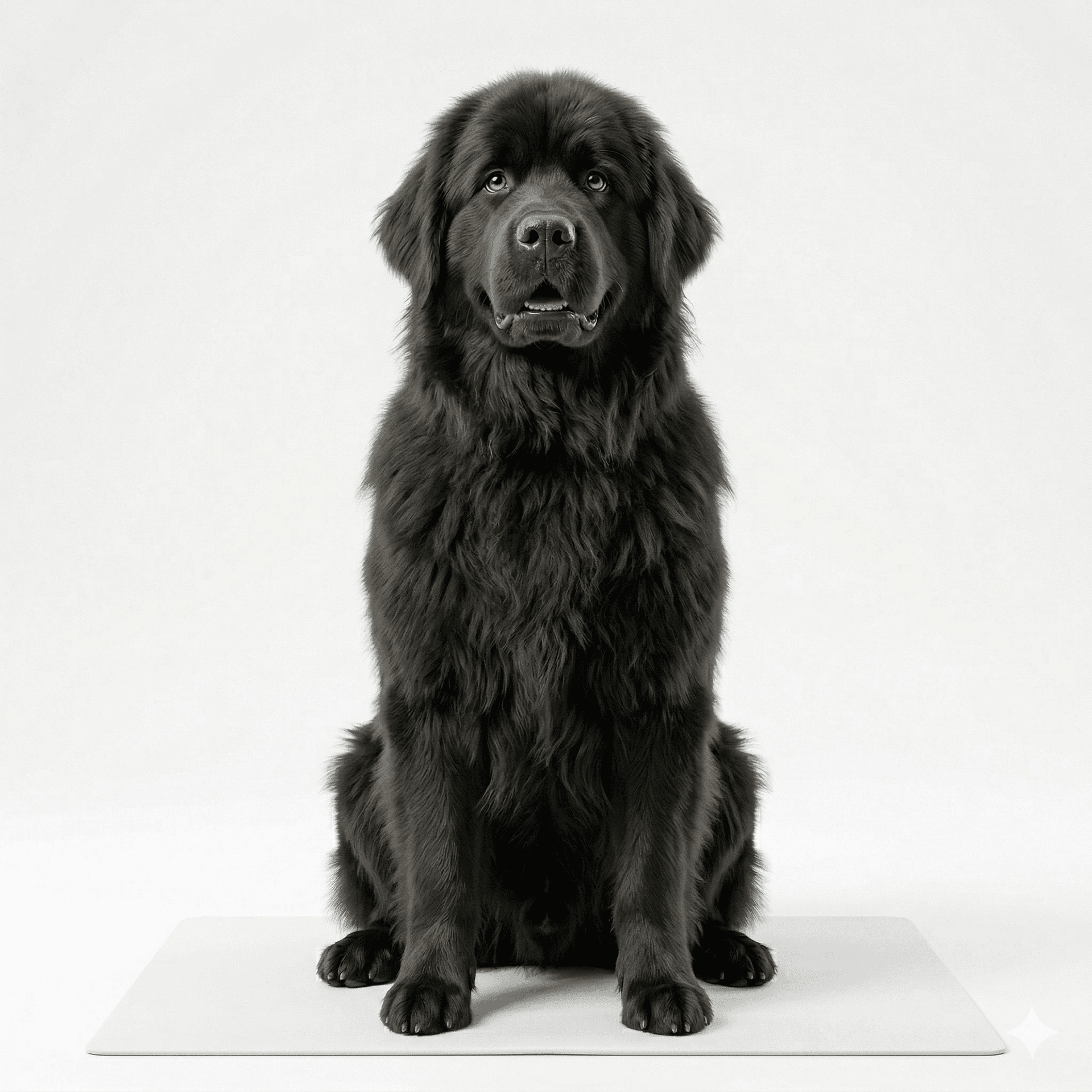
Digestive Problems in Newfoundlands: A Complete Owner's Guide
As a Newfoundland owner, you know that these gentle giants are prone to various health issues, including serious digestive problems. With their unique physiology and dietary needs, Newfoundlands can face challenges such as gastric dilatation-volvulus (bloat), which can be life-threatening. Understanding the signs and causes of digestive issues is crucial for keeping your furry friend happy and healthy. In this guide, we’ll explore the different types of digestive problems specific to Newfoundlands, how to recognize them, and what you can do to support your dog’s digestive health.
What is Digestive Problems?
Digestive problems in dogs refer to a range of conditions that affect the gastrointestinal tract, leading to issues such as vomiting, diarrhea, constipation, and bloating. In Newfoundlands, these problems can arise from their size, eating habits, and predisposition to certain health issues. The digestive system encompasses the mouth, esophagus, stomach, intestines, and anus, working together to break down food, absorb nutrients, and eliminate waste. When any part of this system is compromised, it can lead to discomfort and serious health concerns. Common causes of digestive issues include dietary indiscretion, food intolerances, infections, and underlying health conditions. For Newfoundlands, bloat is particularly concerning as it can lead to gastric dilatation-volvulus (GDV), where the stomach twists and traps gas, requiring immediate veterinary attention.
Warning Signs to Watch For in Your Newfoundland
Recognizing the early signs of digestive problems is vital for your Newfoundland's health. Keep an eye out for symptoms such as vomiting, diarrhea, loss of appetite, excessive drooling, and signs of discomfort like pacing or restlessness. Additionally, abdominal distension or swelling can indicate bloat, which is a medical emergency. Changes in stool consistency, like very soft or hard stools, can also signal digestive issues. Your Newfoundland may also exhibit lethargy or unusual behavior if they’re not feeling well. If you notice any of these signs persisting for more than a day, or if your dog seems in distress, it’s essential to consult your veterinarian promptly to rule out serious conditions.
Why Newfoundlands Are Particularly Affected
Newfoundlands are a giant breed, and their size comes with specific health vulnerabilities, especially concerning their digestive systems. The breed is predisposed to gastric dilatation-volvulus (bloat), a serious condition where the stomach twists and fills with gas, leading to severe abdominal pain and pressure. Additionally, their deep chests can contribute to this risk as well. Newfoundlands are also prone to other hereditary conditions, such as cystinuria, which can lead to bladder stones and further complicate their digestive health. Regular veterinary check-ups, including cardiac screenings and hip evaluations, can help identify these potential issues early. Understanding these breed-specific risks is crucial for Newfoundland owners to provide appropriate care and monitoring for their dogs.
How Serious Is It? When to See the Vet
The seriousness of digestive problems in Newfoundlands can vary significantly. While mild digestive upset may resolve with dietary adjustments, conditions like bloat can be life-threatening and require immediate veterinary intervention. If your Newfoundland exhibits any signs of bloat, such as a distended abdomen, unproductive retching, or signs of shock, it’s crucial to seek emergency veterinary care right away. Other red flags include persistent vomiting or diarrhea, severe abdominal pain, and loss of appetite lasting more than 24 hours. Early intervention is key in managing gastrointestinal issues effectively, so don’t hesitate to contact your vet if you have any concerns about your dog’s health.
Treatment Options & What Your Vet Might Recommend
Treatment for digestive problems in Newfoundlands will depend on the underlying cause. For mild cases, your veterinarian may recommend dietary changes, such as switching to a more easily digestible dog food or incorporating probiotics to support gut health. If your Newfoundland is experiencing bloat or severe gastrointestinal distress, more aggressive treatments may be necessary, including medications to control vomiting or diarrhea, fluid therapy to prevent dehydration, or even surgical intervention in the case of GDV. Your vet may also suggest lifestyle changes, such as feeding smaller, more frequent meals to reduce the risk of bloat. Always follow your veterinarian's recommendations closely for the best outcome.
Preventing Digestive Problems in Newfoundlands
Preventive care is essential for managing digestive health in Newfoundlands. Start by feeding your dog a high-quality, balanced diet specifically designed for large breeds, which considers their unique nutritional needs. Avoid rapid eating by using slow-feed bowls or puzzle feeders to reduce the risk of bloat. Ensuring your dog has access to fresh water and regular exercise can also contribute to a healthy digestive system. Additionally, regular veterinary check-ups will help monitor for any signs of hereditary conditions and ensure your Newfoundland remains in optimal health. Consider incorporating probiotics into their diet, which can support gut health and help prevent digestive upset.
Helpful Products for Digestive Health



In Summary
Digestive problems can significantly impact the health and well-being of your Newfoundland, but with awareness and proactive care, many issues can be managed or even prevented. Regular veterinary check-ups, a healthy diet, and being vigilant about any unusual behaviors can make a big difference in your dog's quality of life. Remember, when in doubt, your veterinarian is your best resource for guidance and support. Your Newfoundland deserves the best, and by staying informed, you can help ensure they lead a happy, healthy life.