
Essential Gear & Comfort in Pomeranians: A Complete Owner's Guide
As a Pomeranian owner, you know these little furballs are full of energy and personality. But did you know that their unique size and structure make them particularly susceptible to certain health conditions? From luxating patellas to tracheal collapse, ensuring your Pomeranian is both comfortable and safe is crucial. This guide will walk you through the essential gear and comfort products that will help you care for your Pomeranian, making their life—and yours—much more enjoyable.
What is Essential Gear & Comfort?
Essential gear and comfort products for Pomeranians are specifically designed to cater to their unique needs as a small breed. This includes items that enhance their safety, promote their physical well-being, and provide a sense of security. Essential gear encompasses harnesses, stairs, and crates, all tailored to accommodate their size and prevent injury. Comfort products, on the other hand, include cushioned beds and toys that support their physical health and emotional well-being. Given their vulnerability to health issues like tracheal collapse and luxating patellas, using the right gear can significantly impact their quality of life. For example, a proper harness distributes pressure more evenly around the chest and neck, reducing the risk of airway constriction and injury.
Warning Signs to Watch For in Your Pomeranian
Being vigilant about your Pomeranian’s health is essential. Some warning signs to look out for include:
- Goose-honk cough: This could indicate tracheal collapse, which is common in Pomeranians. If you notice this sound persisting, consult your vet.
- Difficulty jumping or climbing stairs: This could signal luxating patellas or joint pain. If your furry friend seems hesitant, it may be time to evaluate their comfort gear.
- Excessive shedding or patchy fur: Symptoms of alopecia X or other skin conditions can manifest as hair loss or discoloration of the skin. Regular checks can help catch these problems early.
- Dental issues: Bad breath, swollen gums, or reluctance to eat could indicate dental disease. Regular dental care is crucial for Pomeranians due to their crowded mouths.
- Changes in behavior: Any signs of anxiety or discomfort, such as hiding or whining, should prompt further investigation into their comfort level and environment.
Why Pomeranians Are Particularly Affected
Pomeranians are a delightful breed, but their unique physical characteristics make them more vulnerable to specific health issues. Their small size contributes to luxating patellas, where the kneecap dislocates, leading to pain and mobility issues. This condition can be exacerbated by inappropriate gear, such as neck collars, which can worsen tracheal collapse. The breed is also predisposed to tracheal collapse itself, a progressive condition that requires careful management to alleviate symptoms and prevent further complications. Additionally, Pomeranians are prone to dental disease due to their small mouths, making regular dental care essential. The alopecia X condition can also affect their appearance and skin health, demanding attentive grooming and skin care routines. Understanding these vulnerabilities enables owners to choose the right gear and comfort products to support their Pomeranian’s well-being.
How Serious Is It? When to See the Vet
While some issues may seem minor, Pomeranian owners should not hesitate to consult a veterinarian if they notice concerning symptoms. Red flags include:
- Persistent coughing: If your Pomeranian experiences a goose-honk cough regularly, it could indicate tracheal collapse or other respiratory issues.
- Difficulty in mobility: If your dog struggles to walk or seems in pain when moving, this could point to luxating patellas or arthritis, necessitating a vet visit.
- Severe dental problems: If your Pomeranian has swollen gums or refuses to eat due to mouth pain, immediate veterinary attention is critical.
- Skin issues: Noticeable skin changes or excessive shedding should prompt an appointment to rule out alopecia X or other dermatological conditions.
- Behavioral changes: Sudden shifts in behavior, such as increased aggression or withdrawal, may indicate underlying pain or discomfort that requires a professional assessment. Regular check-ups can also help catch potential issues before they escalate.
Treatment Options & What Your Vet Might Recommend
Once you consult your vet, they will conduct a thorough examination to diagnose any issues affecting your Pomeranian. Treatment options may vary depending on the condition. For tracheal collapse, your veterinarian may recommend a combination of lifestyle changes, such as using a harness instead of a collar, and medication to manage symptoms. In cases of luxating patellas, they might suggest weight management and physical therapy, or in severe cases, surgical options to stabilize the knee joint. For dental issues, regular cleanings and possibly extractions may be necessary to maintain oral health. In cases of alopecia X, a comprehensive plan including dietary changes and specialized grooming products may be recommended. The key takeaway is to follow your vet's advice closely and maintain open communication about your Pomeranian's ongoing health.
Preventing Essential Gear & Comfort in Pomeranians
Preventative measures can significantly enhance your Pomeranian's comfort and health. Here are some practical tips:
- Use a harness: Always opt for a well-fitted harness instead of a collar to prevent unnecessary pressure on your Pomeranian’s trachea. Look for harnesses with padded straps for added comfort.
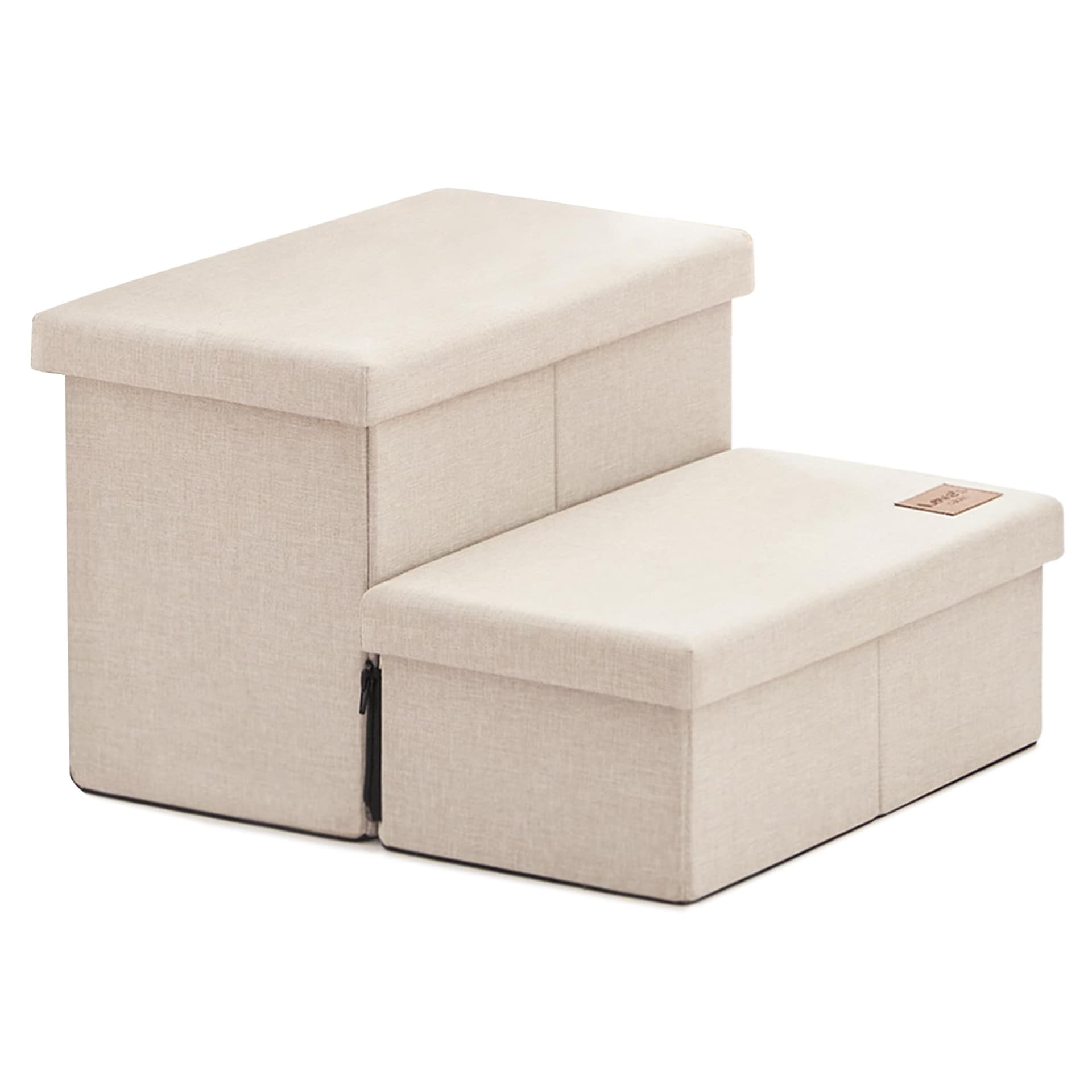
- Invest in pet stairs: Pomeranians can easily be injured by jumping off furniture. Consider products like Love's Cabin Dog Stairs, which can help them access high places safely while providing stability.
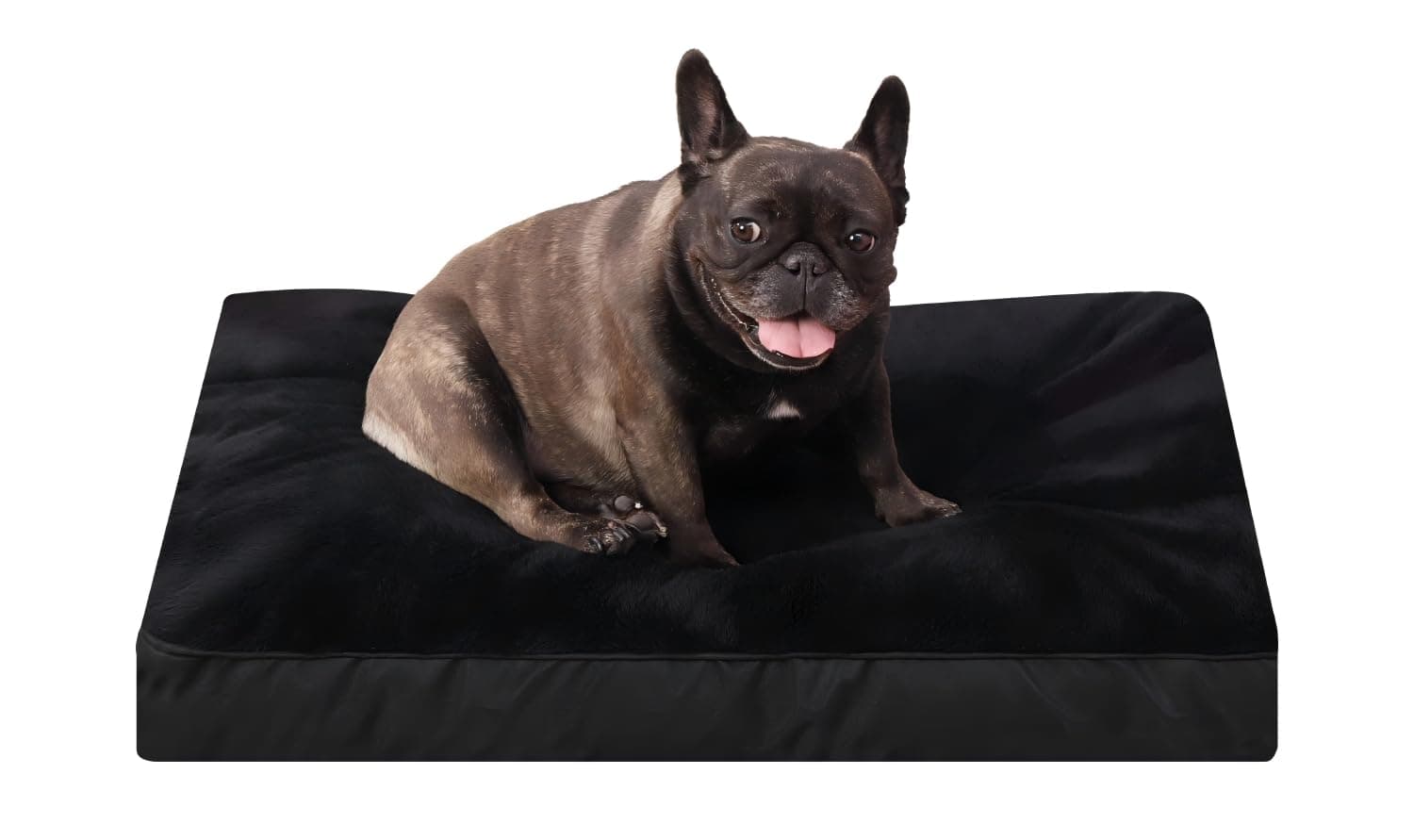
- Provide a cozy bed: A comfortable dog bed, such as a waterproof deluxe plush mattress, can help soothe joint pain and offer a sense of security. Ensure it’s easy to clean, as dental-related issues can lead to accidents.
- Regular grooming: Maintain a consistent grooming routine to prevent skin issues and monitor for any changes in fur or skin health.
- Dental care: Incorporate dental treats and regular brushing into their routine to help prevent dental disease. Keeping their teeth clean can significantly impact their overall health.
Recommended Products for Your Pomeranian
In Summary
Caring for your Pomeranian means being proactive about their health and comfort. By investing in the right gear and recognizing the signs of potential issues, you can ensure your furry friend enjoys a happy, healthy life. Remember, early attention to any concerns makes a significant difference in their well-being. Always consult your veterinarian for personalized advice and treatment options. Your Pomeranian deserves the best!