
Fleas & Ticks in Corgis: A Complete Owner's Guide
As a Corgi owner, you know how much joy these spirited dogs bring to our lives. However, their playful nature and close-to-the-ground stature make them prime targets for fleas and ticks. Understanding how to identify and manage these pests is crucial for your Corgi's health and overall happiness. Not only can fleas and ticks cause discomfort, but they can also lead to serious health issues if not addressed promptly. Let’s dive into everything you need to know to keep your Corgi safe and healthy from these pesky parasites.
What is Fleas & Ticks?
Fleas and ticks are external parasites that thrive on the blood of their hosts, including our beloved dogs. Fleas are tiny wingless insects that can jump up to 13 inches, making them adept at infesting pets. They feed on the host's blood, leading to itching, irritation, and potential allergic reactions. In contrast, ticks are arachnids that attach themselves to the skin and can transmit serious diseases such as Lyme disease and Rocky Mountain spotted fever. These parasites reproduce rapidly; a single female flea can lay up to 50 eggs per day, resulting in a swift infestation. Understanding the life cycles and behaviors of these pests can help you take proactive measures to protect your Corgi.
Warning Signs to Watch For in Your Corgi
Detecting fleas and ticks early can prevent serious health issues for your Corgi. Key signs to look for include excessive scratching or biting at the skin, red or inflamed areas, and hair loss, particularly around the tail and ears. You may also notice flea dirt—tiny black specks resembling pepper—on your Corgi’s skin or in their bedding. Ticks can be harder to spot, as they often attach to less visible areas like between toes, in the ears, or under the collar. If you find a tick, it may appear as a small, dark bump. Pay close attention to changes in behavior, such as lethargy or a loss of appetite, which can indicate a more serious issue caused by these parasites.
Why Corgis Are Particularly Affected
Corgis are particularly vulnerable to flea and tick infestations due to their unique physical characteristics. Their low stature and dense coat can make it easier for these parasites to latch on and go unnoticed. Additionally, Corgis are prone to certain health issues like intervertebral disc disease (IVDD) and hip dysplasia, which can be exacerbated by the stress and discomfort caused by fleas and ticks. Maintaining a healthy weight is crucial; excess weight can increase the risk of spinal problems, making it even more important to keep your Corgi free from these parasites. Regular grooming and inspections can help mitigate these risks and keep your Corgi comfortable.
How Serious Is It? When to See the Vet
While fleas and ticks are common, they can lead to serious health concerns if left untreated. Flea infestations can result in anemia, especially in young or small dogs, and may lead to flea allergy dermatitis, causing severe itching and skin infections. Ticks, on the other hand, can transmit diseases that may manifest as fever, joint pain, or lethargy. If you notice persistent scratching, hair loss, or any signs of illness, consult your veterinarian promptly. It's crucial to seek veterinary care if your Corgi shows signs of distress or if you find multiple ticks, as timely intervention can prevent more severe health complications.
Treatment Options & What Your Vet Might Recommend
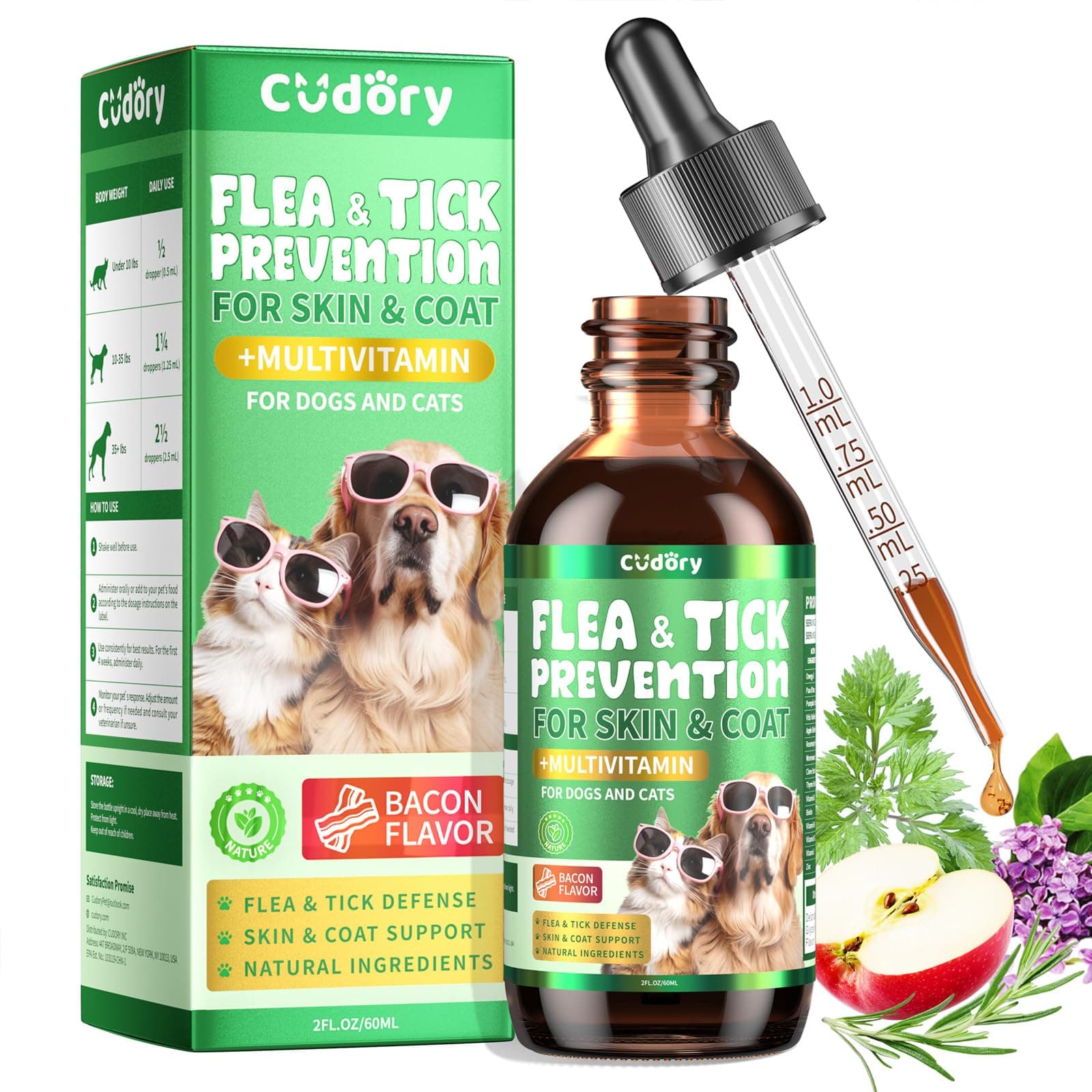
If your Corgi is infested with fleas or ticks, your veterinarian may recommend several treatment options. Topical treatments, oral medications, and flea collars are commonly prescribed for fleas, while tick removers and preventive medications are available for ticks. Natural remedies, such as herbal drops, can also be effective. Your vet will consider your Corgi's health history, age, and any existing conditions, particularly those related to their spine or joints. Always follow your vet's advice and treatment plan closely to ensure your Corgi receives the best care possible.
Preventing Fleas & Ticks in Corgis
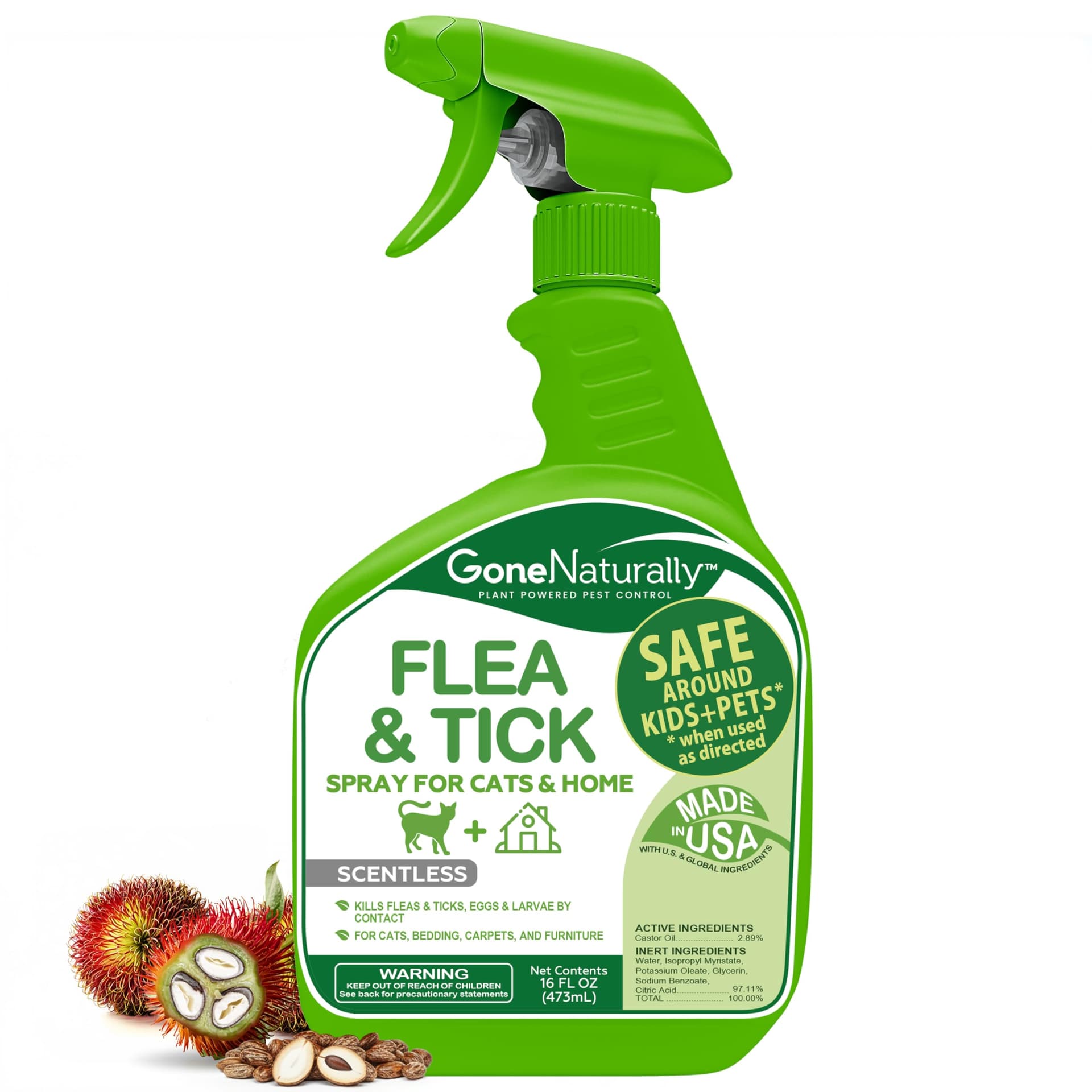
Prevention is the best approach to managing fleas and ticks. Regular grooming and bathing can help you spot these pests early. Use a flea comb to check for fleas and their eggs, and consider using natural flea and tick prevention products. Maintaining a clean environment by vacuuming regularly and washing your Corgi’s bedding can also help reduce the risk of infestations. Additionally, consult your veterinarian for a preventative treatment plan that suits your Corgi’s specific needs. Keeping your Corgi at a healthy weight through proper diet and exercise will also minimize the risk of health complications associated with fleas and ticks.
Recommended Products for Flea & Tick Prevention

In Summary
Fleas and ticks can pose significant risks to your Corgi's health, but with awareness and proactive measures, you can keep these pests at bay. Regular inspections, effective treatment options, and preventive care are key to ensuring your Corgi stays happy and healthy. Remember, addressing any signs of infestations early can make a world of difference. You are your Corgi's best advocate; together, you can navigate the challenges of pet ownership with confidence and love.