
Signs of Joint Pain & Mobility Issues in Chihuahuas: What Every Owner Should Know
As a devoted Chihuahua owner, you might notice your little companion hesitating to jump onto your lap or struggling to keep up during walks. These could be signs of joint pain or mobility issues, common concerns in this spirited breed. Understanding these conditions is crucial for maintaining your Chihuahua’s quality of life. With their delicate bone structure and unique physical traits, Chihuahuas are particularly vulnerable to joint-related problems. This guide will equip you with the knowledge to recognize symptoms, understand the underlying causes, and take action for your beloved pet's well-being.
What is Joint Pain & Mobility Issues?
Joint pain in dogs refers to discomfort in the joints, which can stem from various conditions like arthritis, luxating patellas, or injury. Mobility issues indicate difficulties in movement that may manifest as reluctance to exercise, difficulty navigating stairs, or changes in gait. In Chihuahuas, the luxating patella, a condition where the kneecap dislocates, is particularly prevalent. This can lead to pain and instability in the knee joint, causing your Chihuahua to limp or avoid using that leg. Over time, joint pain can lead to inflammation and further mobility issues, making it essential to identify and address these concerns early. Regular vet check-ups and monitoring behavior changes can help detect these issues before they become serious.
Warning Signs to Watch For in Your Chihuahua
As a Chihuahua owner, it’s essential to be vigilant for signs of joint pain and mobility issues. Common symptoms include limping or favoring a leg, difficulty rising or lying down, reluctance to jump or climb stairs, and decreased energy or playfulness. You may also notice a change in posture, such as a hunched back or a reluctance to stretch. Behavioral changes can also be telling; if your usually social Chihuahua becomes withdrawn or irritable, it could indicate discomfort. Monitor your pet closely during playtime and walks, and take note of any changes in their typical activities. Promptly addressing these signs with your vet can lead to better outcomes for your furry friend.
Why Chihuahuas Are Particularly Affected
Chihuahuas possess unique physical traits that predispose them to joint pain and mobility issues. Their small size and lightweight frame mean that their joints endure significant stress, especially during activities like jumping or running. Additionally, luxating patellas are a common concern in this breed due to their unique knee structure. The molera, or soft spot on the skull, can also lead to additional vulnerability; although it primarily affects the brain, any injury to this area can have cascading effects. Moreover, dental disease, which is prevalent in Chihuahuas due to their crowded mouths, can indirectly affect their overall health, leading to systemic issues that may exacerbate joint problems. Understanding these factors can help you take proactive measures to support your dog's joint health.
How Serious Is It? When to See the Vet
Joint pain and mobility issues can range from mild discomfort to severe conditions requiring immediate veterinary attention. If your Chihuahua exhibits persistent signs of pain, especially if they are reluctant to move or engage in their usual activities, it’s crucial to consult your vet. Red flags include sudden onset of limping, visible swelling around joints, or difficulty in standing or walking. In some cases, mobility issues can indicate underlying conditions like arthritis or joint dysplasia, which can lead to chronic pain if left untreated. Regular vet check-ups are essential, as early diagnosis can significantly improve your dog's quality of life and prevent further complications.
Treatment Options & What Your Vet Might Recommend
Treatment for joint pain and mobility issues in Chihuahuas can range from conservative measures to more intensive interventions. Your veterinarian may recommend weight management, as excess weight can exacerbate joint stress. Joint supplements containing glucosamine and omega-3 fatty acids are often beneficial for promoting joint health. Physical therapy and controlled exercise regimens can also help strengthen muscles around the joints. In more severe cases, surgical options may be considered, particularly for luxating patellas. Pain management through anti-inflammatory medications can also be crucial in providing relief. Your vet will tailor a treatment plan based on your Chihuahua's specific needs, so open communication and follow-up are key.
Preventing Joint Pain & Mobility Issues in Chihuahuas
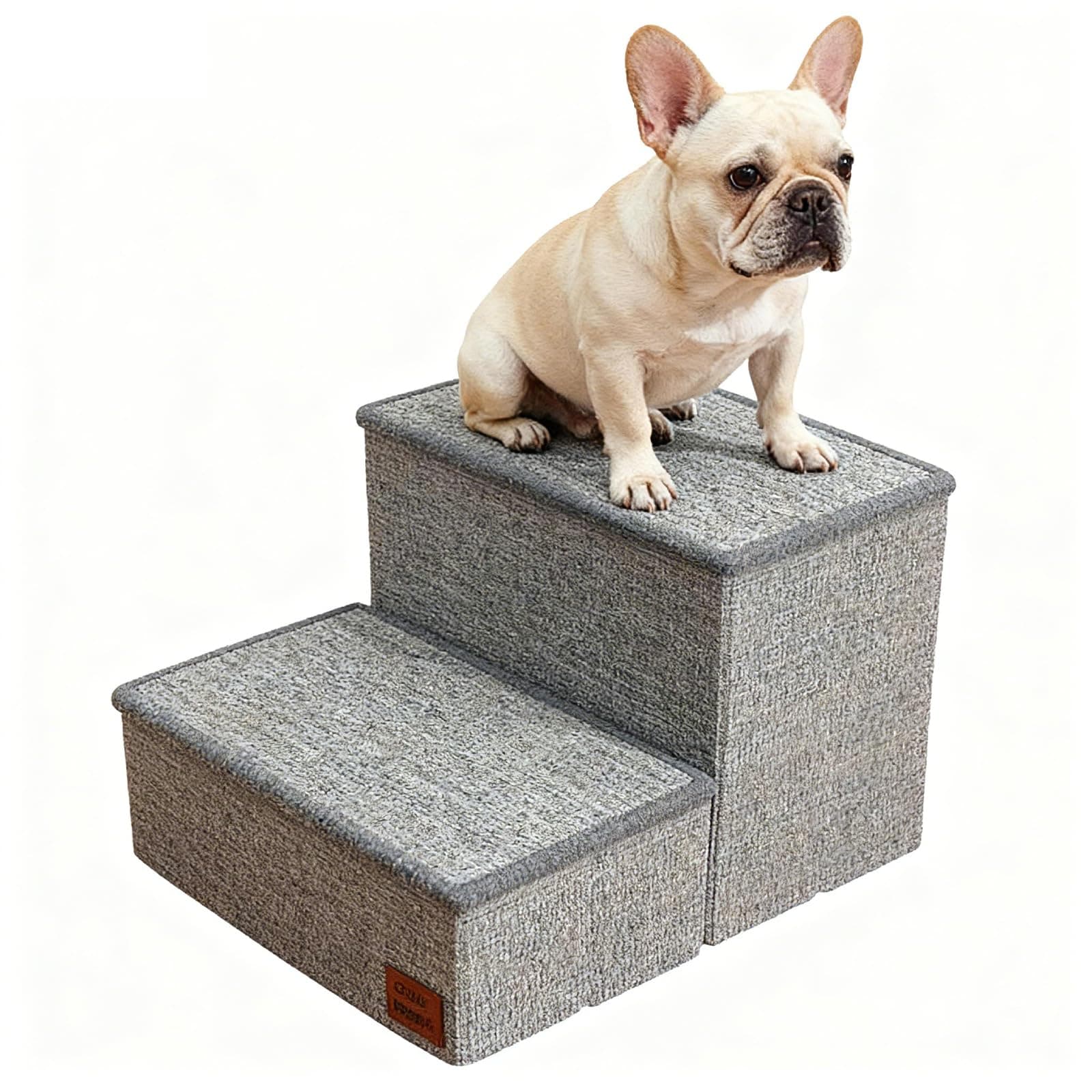
Preventive measures can greatly enhance your Chihuahua's joint health and mobility. Maintain your dog's ideal weight through a balanced diet and regular exercise, as obesity is a significant risk factor for joint problems. Provide safe access to elevated surfaces using dog stairs or ramps to prevent unnecessary jumping and strain on their joints. Regular vet check-ups are essential for early detection of potential issues. Additionally, consider incorporating joint supplements into their diet, especially as they age. Training and socialization can also help build confidence and reduce anxiety, which can prevent behavioral issues that may lead to accidents or injuries. By taking proactive steps, you can help ensure your Chihuahua remains active and comfortable throughout their life.
Recommended Products for Joint Health


In Summary
Joint pain and mobility issues can significantly affect your Chihuahua's quality of life, but early detection and proactive care can make a world of difference. By familiarizing yourself with the warning signs and understanding the unique vulnerabilities of your beloved breed, you can take steps to support their health. Remember, regular vet visits, a healthy diet, and safe mobility aids are key components in keeping your Chihuahua happy and active. Always consult your veterinarian for personalized advice and treatment options tailored to your furry friend’s needs.