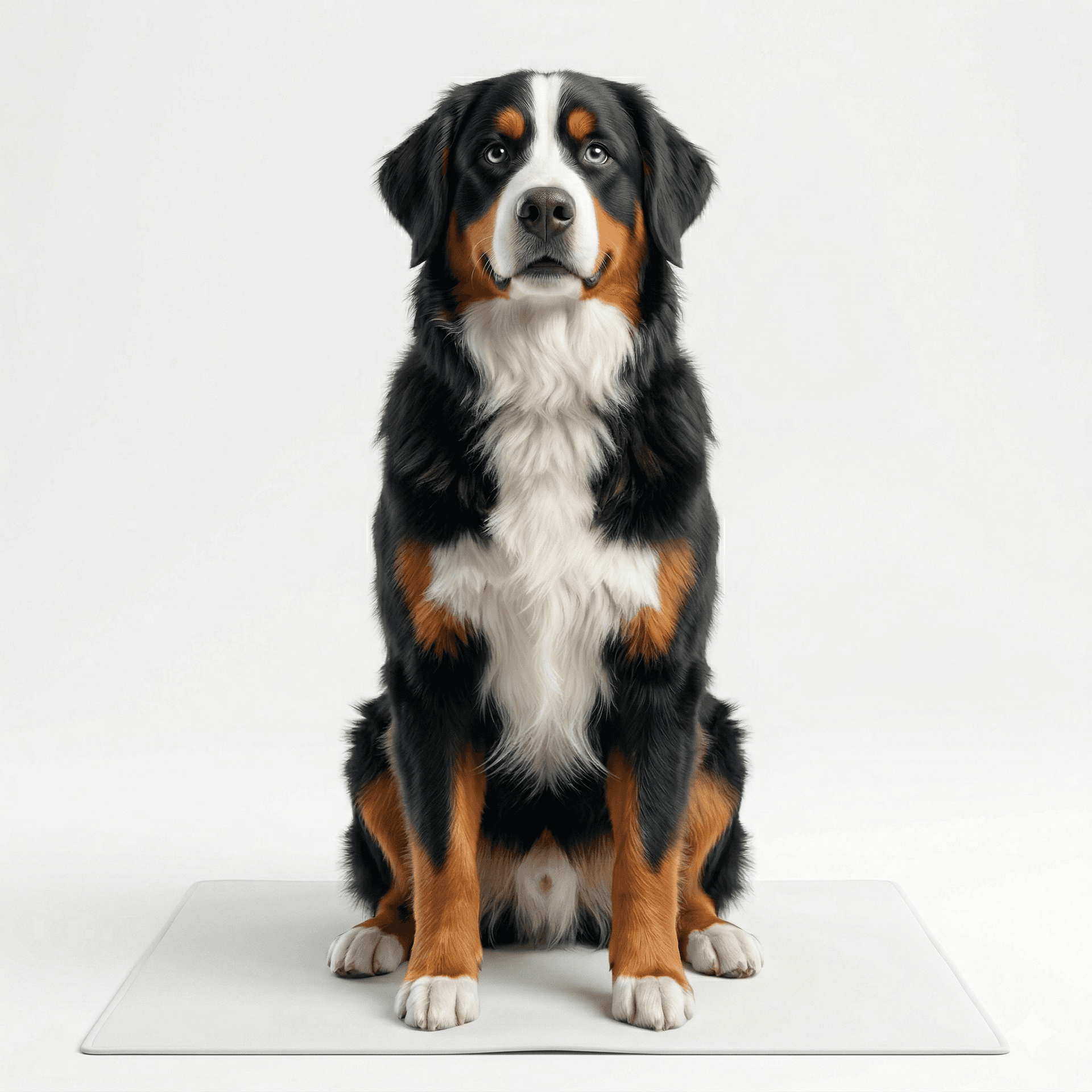
Nutrition & Supplements in Bernese Mountain Dogs: A Complete Owner's Guide
Bernese Mountain Dogs are beloved for their gentle temperament and striking appearance, but they face unique health challenges that can be influenced by their diet. With a lifespan of just 7 to 8 years, primarily due to high rates of cancer and other health issues, it’s crucial for owners to focus on optimal nutrition and consider beneficial supplements. Understanding how to provide the right nutrients can make a significant difference in your Bernese's health, longevity, and quality of life. This guide will help you navigate the complexities of feeding and supplementing your Bernese Mountain Dog.
What is Nutrition & Supplements?
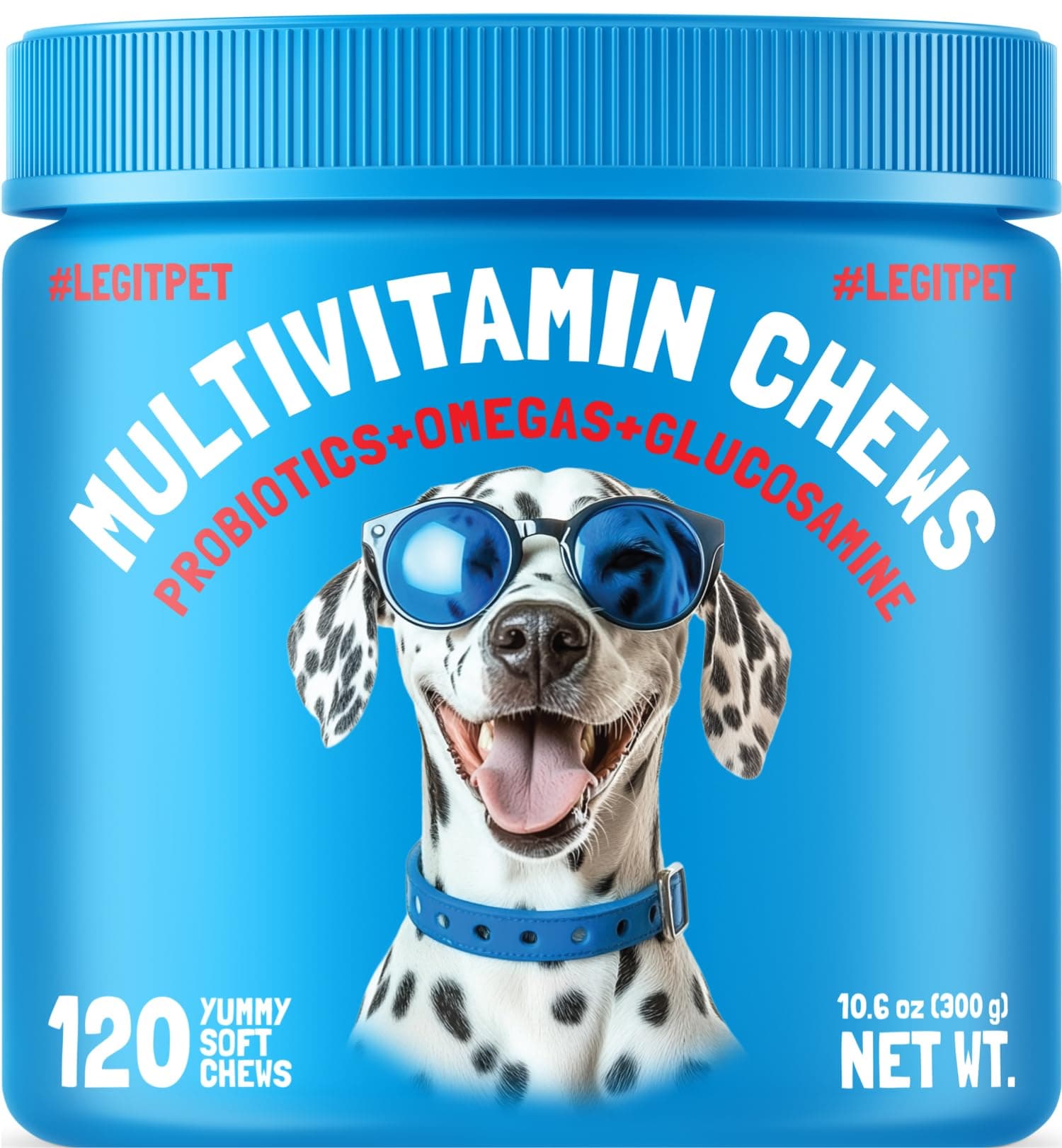
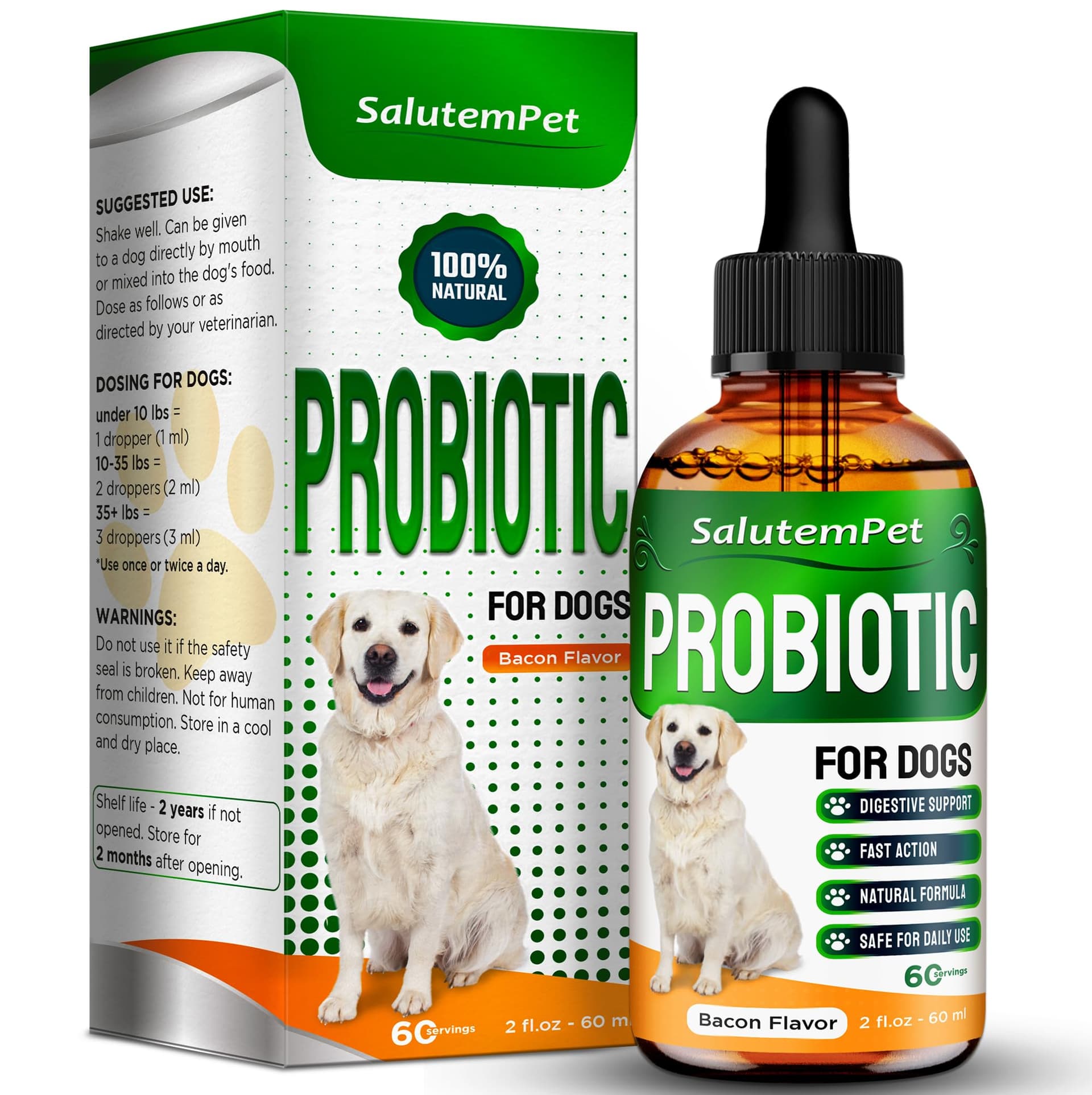
Nutrition for dogs refers to the balance of essential nutrients—proteins, fats, carbohydrates, vitamins, and minerals—necessary for maintaining health. Bernese Mountain Dogs require high-quality, well-balanced diets to support their large bodies and maintain their energy levels. Supplements can provide additional support where dietary intake may fall short. Common supplements for dogs include omega fatty acids for skin and coat health, glucosamine for joint support, and probiotics for digestive health. These nutrients work in concert to enhance overall physical health, boost the immune system, and address specific health needs inherent in the breed.
Warning Signs to Watch For in Your Bernese Mountain Dog
Monitoring your Bernese Mountain Dog for signs of dietary deficiencies or imbalances is crucial. Look out for symptoms such as lethargy, poor coat condition, weight loss or gain, digestive issues (like diarrhea or vomiting), and decreased appetite. Behavioral changes, such as increased irritability or reluctance to engage in play, can also indicate health issues. Additionally, if you notice any unusual swelling, lameness, or signs of discomfort, it’s essential to consult your veterinarian. Early recognition of these signs can lead to more effective interventions and better health outcomes.
Why Bernese Mountain Dogs Are Particularly Affected
Bernese Mountain Dogs are prone to several health issues, including various cancers and orthopedic conditions, largely due to their genetics and physical structure. Their large size puts them at a heightened risk for hip and elbow dysplasia, which can be exacerbated by poor nutrition. Moreover, the breed's susceptibility to cancers such as histiocytic sarcoma and lymphoma underscores the importance of nutrition in potentially modulating cancer risk. A diet rich in antioxidants, omega fatty acids, and other anti-inflammatory nutrients may help support their immune system and overall health, making dietary choices particularly impactful for this breed.
How Serious Is It? When to See the Vet
As a Bernese Mountain Dog owner, understanding when to seek veterinary advice is crucial. If your dog exhibits persistent symptoms like significant weight changes, chronic vomiting or diarrhea, or any signs of pain or discomfort, it’s time to visit the vet. Additionally, if you notice sudden changes in behavior or energy levels, don’t hesitate to reach out for professional guidance. Early intervention is key in managing health problems before they become severe, especially in a breed that faces a variety of health challenges throughout its life.
Treatment Options & What Your Vet Might Recommend
Your veterinarian may recommend a tailored nutritional plan or specific dietary supplements based on your Bernese Mountain Dog’s health status. Common recommendations may include high-quality joint supplements containing glucosamine and chondroitin to support mobility, probiotics for digestive health, and high-quality dog foods enriched with essential vitamins and minerals. In cases of chronic health issues, your vet might suggest specialized diets that cater to your dog's specific needs, such as weight management formulas or anti-inflammatory diets. Remember, personalized advice from your veterinarian is invaluable in addressing your dog’s unique health requirements.
Preventing Nutrition & Supplements in Bernese Mountain Dogs
Preventative care starts with a balanced diet rich in essential nutrients that supports your Bernese Mountain Dog’s overall health. Focus on high-quality commercial dog foods formulated for large breeds, or consider home-cooked meals under veterinary guidance. Ensure that any treats or supplements you offer are low in calories and sourced from reputable manufacturers. Regularly monitor your dog’s weight and body condition, adjusting their diet as necessary. Incorporating supplements such as omega fatty acids and multivitamins can also help fill nutritional gaps. Always consult your veterinarian before introducing new foods or supplements to ensure they align with your dog's health profile.
Recommended Products for Your Bernese Mountain Dog

In Summary
Nutrition and dietary supplements play a vital role in the health and longevity of your Bernese Mountain Dog. By being proactive about their dietary needs and recognizing the signs of nutritional deficiencies, you can help your dog thrive. Always consult your veterinarian for tailored advice and recommendations. Remember, the love and care you provide today can lead to a longer, healthier life for your furry friend.