
Nutrition & Supplements in Bloodhounds: A Complete Owner's Guide
As a proud Bloodhound owner, you know that these majestic scent hounds are not just about those droopy ears and soulful eyes; they require specialized care, particularly when it comes to nutrition and dietary supplements. Given their unique health predispositions, from bloat to hip dysplasia, understanding how to feed and supplement your Bloodhound can make a world of difference. In this guide, we’ll explore the essentials of nutrition tailored specifically for your Bloodhound, helping you ensure they thrive and stay vibrant throughout their life.
What is Nutrition & Supplements?
Nutrition and dietary supplements play a crucial role in maintaining the overall health and well-being of your Bloodhound. Nutrition refers to the intake of food that provides the necessary nutrients for energy, growth, and overall health. For your Bloodhound, a balanced diet should include proteins, carbohydrates, fats, vitamins, and minerals tailored to their age, weight, and activity level. Supplements, on the other hand, are additional products that can help fill nutritional gaps or address specific health concerns. Common supplements like glucosamine for joint health or probiotics for digestive support can be beneficial for Bloodhounds, especially considering their predisposition to issues like hip dysplasia and bloat. Together, proper nutrition and the right supplements can enhance your dog's quality of life and longevity.
Warning Signs to Watch For in Your Bloodhound
Being attuned to your Bloodhound's health is essential, especially when it comes to nutrition and supplementation. Keep an eye out for warning signs that might indicate nutritional deficiencies or digestive issues. Symptoms like excessive drooling, vomiting, diarrhea, lethargy, or sudden changes in weight can signal trouble. A Bloodhound that seems less energetic or is reluctant to engage in their usual activities may be experiencing discomfort linked to dietary issues. Additionally, watch for signs of bloating, which can be life-threatening; this includes a distended abdomen, pacing, or signs of pain. Early detection of these symptoms can lead to timely veterinary intervention and prevent more serious health problems.
Why Bloodhounds Are Particularly Affected
Bloodhounds have unique health concerns that make proper nutrition and supplementation even more important. Their predisposition to gastric dilatation-volvulus (bloat) means that careful attention must be paid to their feeding schedule and portion sizes. Feeding smaller, more frequent meals can help minimize this risk. Additionally, Bloodhounds are prone to hip and elbow dysplasia, which can be exacerbated by obesity. Therefore, a well-balanced diet that supports healthy weight is crucial. Their long, droopy ears also make them susceptible to infections; thus, a diet that supports immune health can be beneficial. Understanding these breed-specific vulnerabilities helps Bloodhound owners make informed decisions about nutrition and supplementation.
How Serious Is It? When to See the Vet
Recognizing the urgency of your Bloodhound’s health is paramount. If you observe any severe symptoms, such as sudden bloating, difficulty breathing, or unresponsiveness, seek veterinary care immediately. Generally, if your Bloodhound displays any persistent symptoms of discomfort, such as ongoing digestive issues or noticeable changes in appetite and behavior, it’s wise to consult your veterinarian. Regular check-ups can also help monitor their overall health and nutrition status. Bloodhounds, being large and strong, can sometimes mask pain or discomfort, so vigilance on your part is critical to catching potential health issues early.
Treatment Options & What Your Vet Might Recommend
When you consult your veterinarian about your Bloodhound's nutrition and possible supplementation, they may recommend a tailored diet that addresses their specific needs. This could include high-quality dog food formulated for large breeds, as well as specialized options that help manage weight and joint health. Your vet might also suggest dietary supplements such as glucosamine for joint support, omega fatty acids for skin and coat health, and probiotics to promote healthy digestion. Regular monitoring and adjustments to their diet may be necessary as they age or if health issues arise, ensuring that your Bloodhound receives the best care throughout their life.
Preventing Nutrition & Supplements in Bloodhounds
Preventing nutrition-related issues in Bloodhounds starts with a proactive approach to their diet. Always choose high-quality dog food specifically formulated for large breeds, focusing on a balanced nutritional profile that includes proteins, healthy fats, and essential vitamins and minerals. Avoid overfeeding, and stick to recommended portion sizes to maintain a healthy weight. Incorporating gradual changes to their diet can help prevent digestive upset. Regular exercise is also crucial; it helps maintain a healthy weight and keeps their joints flexible. Additionally, consider introducing dietary supplements as recommended by your veterinarian to support their specific health needs, especially as they age.
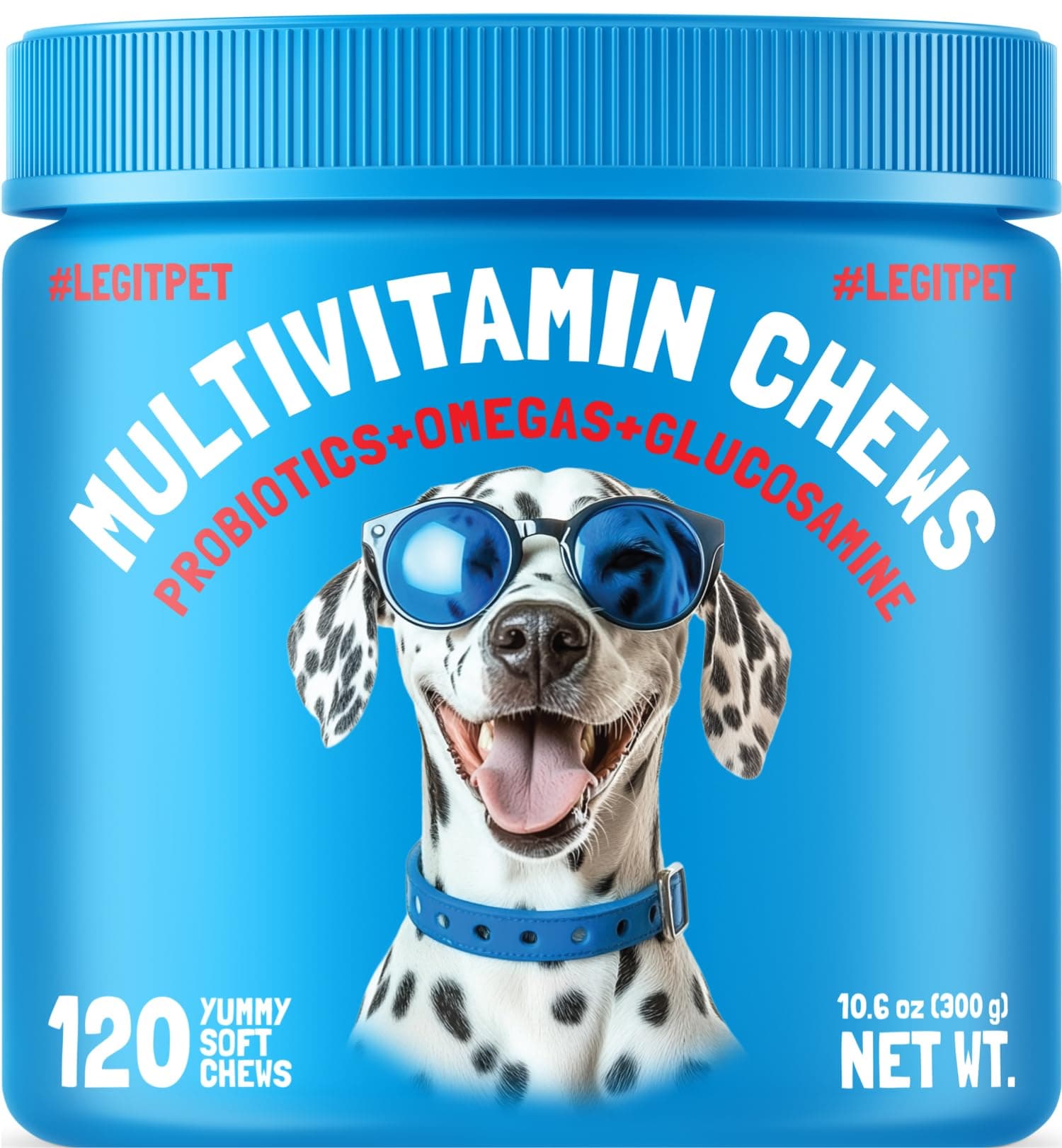
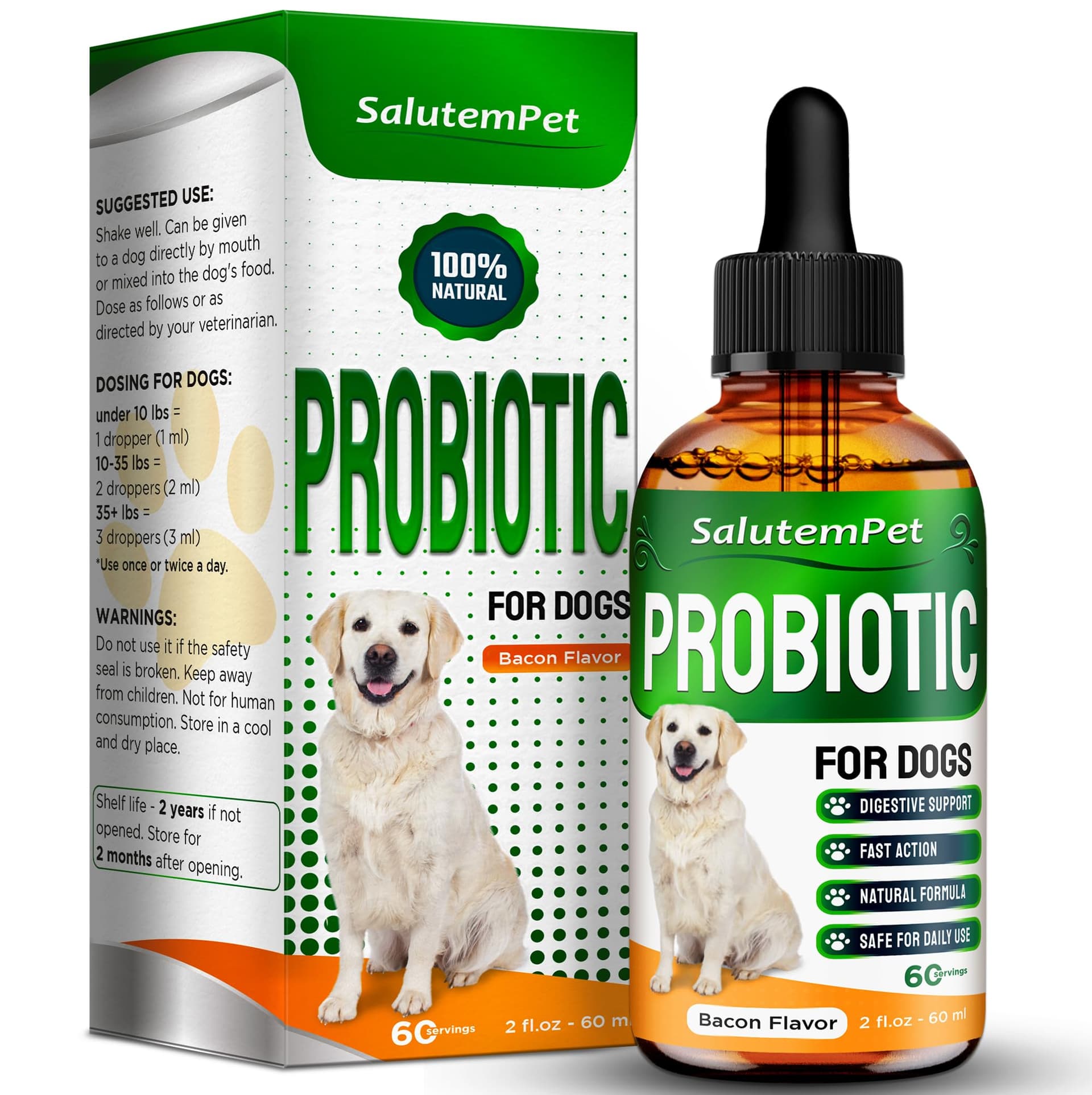
Helpful Products for Your Bloodhound's Nutrition

In Summary
In summary, understanding the nutritional needs and potential supplementation for your Bloodhound is essential for their health and happiness. By recognizing the signs of nutritional issues early and working closely with your veterinarian, you can help your furry friend lead a vibrant, active life. Remember, your Bloodhound relies on you for their care, and your proactive approach can make all the difference. Cherish every droopy-eared moment!