
Nutrition & Supplements in Boston Terriers: A Complete Owner's Guide
As a proud owner of a Boston Terrier, you may find yourself marveling at their spirited personality and charming appearance. However, this breed's unique physical traits, particularly their brachycephalic structure, make them susceptible to various health issues, including those related to nutrition. Understanding the dietary needs and appropriate supplements for your Boston can significantly impact their overall well-being, helping to prevent common health concerns and ensuring they lead a happy, healthy life. Let’s delve into the essentials of nutrition and supplementation tailored specifically for your Boston Terrier.
What is Nutrition & Supplements?
Nutrition refers to the process by which living organisms obtain and utilize food to support their growth, metabolism, and overall health. For dogs, particularly Boston Terriers, a balanced diet rich in high-quality proteins, healthy fats, and essential vitamins and minerals is crucial. Supplements, on the other hand, are products added to a dog's diet to provide additional nutrients that may be missing or insufficient in their regular food. These can include vitamins, minerals, fatty acids, probiotics, and even joint support compounds like glucosamine.
The mechanism behind effective nutrition and supplementation lies in how these nutrients interact within the body. For example, proteins provide amino acids necessary for muscle repair, while vitamins and minerals support various bodily functions, from immune health to bone strength. In Boston Terriers, who may face specific health challenges, proper nutrition and the right supplements can bolster their health, enhance their quality of life, and potentially mitigate some breed-related issues.
Warning Signs to Watch For in Your Boston Terrier
As a Boston Terrier owner, it's essential to be vigilant about your dog's health, especially regarding nutrition and dietary supplements. Watch for the following warning signs that may indicate your Boston is not receiving adequate nutrition:
- Weight Fluctuations: Sudden weight loss or gain could signal dietary imbalances or health issues.
- Lethargy: A decrease in energy levels can indicate nutritional deficiencies or underlying health problems.
- Poor Coat Condition: A dull, brittle coat or excessive shedding may suggest a lack of essential fatty acids or other nutrients.
- Digestive Issues: Symptoms like vomiting, diarrhea, or gas could indicate food intolerances or the need for digestive support.
- Behavior Changes: Increased irritability or unusual behavior may be linked to nutrient deficiencies affecting mood and energy.
If you notice any of these signs, it is crucial to consult with your veterinarian, who can provide guidance on dietary adjustments or necessary supplements.
Why Boston Terriers Are Particularly Affected
Boston Terriers are a unique breed, and their specific health vulnerabilities necessitate careful attention to nutrition. Their brachycephalic nature can lead to breathing difficulties, which may affect their ability to exercise and maintain a healthy weight. Overweight dogs are at a higher risk for developing joint issues, including luxating patellas, which are common in the breed.
Moreover, Boston Terriers can be predisposed to hereditary cataracts and spinal issues, such as hemivertebrae. Proper nutrition can play a vital role in managing these risks. For instance, a diet rich in antioxidants may help support eye health, while glucosamine and omega fatty acids can aid in joint health.
Additionally, the breed is known for its sensitive stomachs, so selecting easily digestible foods and quality supplements is essential to avoid gastrointestinal distress. Understanding these breed-specific needs allows owners to make informed decisions about their Boston's diet and supplementation.
How Serious Is It? When to See the Vet
Recognizing when to consult your veterinarian regarding nutrition and supplements is crucial for your Boston Terrier's health. While minor digestive upset may not be a cause for alarm, severe or persistent symptoms warrant immediate attention. Here are some red flags that indicate it’s time to see the vet:
- Severe Vomiting or Diarrhea: If your Boston experiences continuous vomiting or diarrhea for more than 24 hours, it could lead to dehydration and requires veterinary care.
- Sudden Lethargy: A drastic change in energy levels, especially if accompanied by other symptoms, should not be ignored.
- Weight Loss: Significant weight loss over a short period can indicate serious health issues, including malnutrition or underlying disease.
- Persistent Skin Issues: Skin irritations, itching, or infections may signal allergies or nutritional deficiencies.
- Breathing Difficulties: Given the breed’s predisposition to BOAS, any noticeable changes in breathing should be addressed immediately.
Early intervention can make a significant difference, so don’t hesitate to reach out to your veterinarian if you have concerns about your Boston's health.
Treatment Options & What Your Vet Might Recommend
If your Boston Terrier is diagnosed with nutritional deficiencies or related health issues, your veterinarian will recommend a tailored treatment plan that may include dietary changes and supplements. Common recommendations may involve:
- High-Quality Dog Food: A premium dog food formulated for small breeds or those with sensitive stomachs can provide balanced nutrition and essential nutrients.
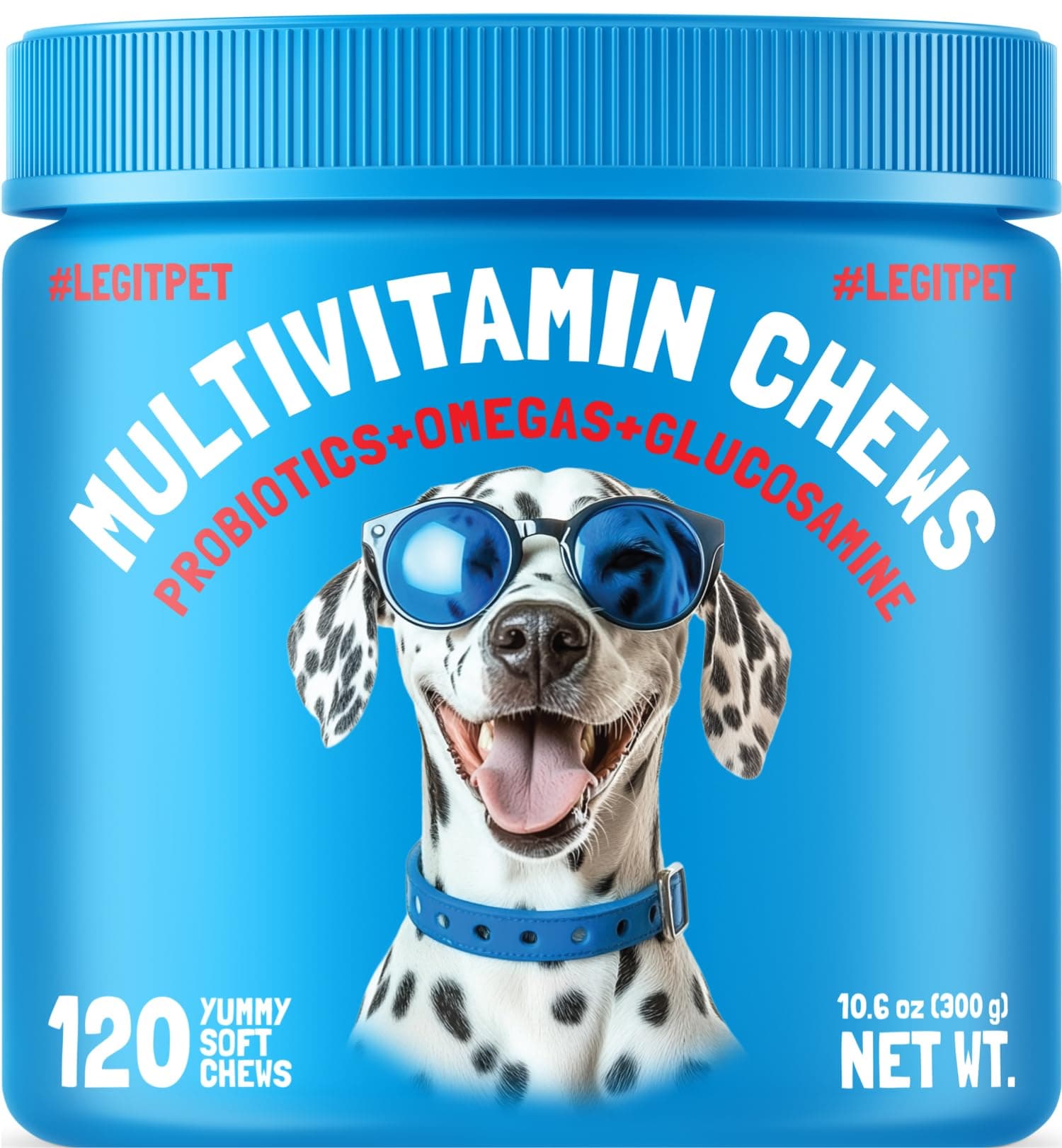
- Dietary Supplements: Your vet may suggest specific supplements such as multivitamins, omega fatty acids for skin and coat health, or glucosamine for joint support.
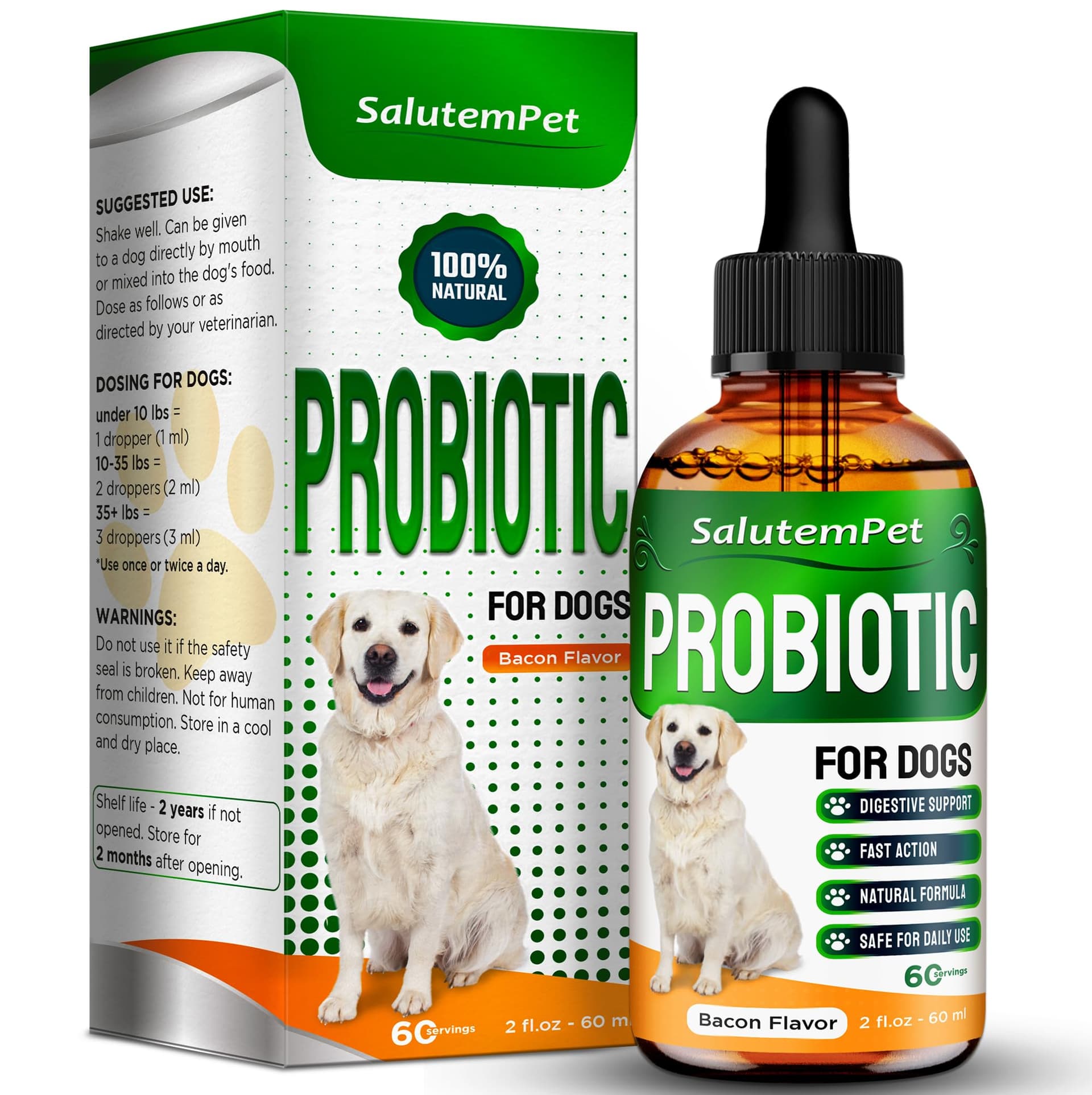
- Probiotics: If your Boston has digestive issues, probiotics may be recommended to enhance gut health and improve nutrient absorption.
- Elimination Diets: If food allergies are suspected, your vet may recommend an elimination diet to identify problematic ingredients.
- Regular Monitoring: Follow-up appointments can help monitor your Boston's response to dietary changes and supplements, ensuring they receive the best care possible.
Always follow your vet's guidance regarding any changes to your dog’s diet or supplement regimen.
Preventing Nutrition & Supplements in Boston Terriers
Preventive care is crucial in maintaining your Boston Terrier's health through proper nutrition and supplementation. Here are some practical tips:
- Choose Quality Food: Select a high-quality, breed-appropriate dog food that meets AAFCO standards. Look for real meat as the first ingredient and avoid fillers and artificial additives.
- Monitor Portions: Be mindful of portion sizes to prevent obesity, which can exacerbate health issues. Your vet can help determine the right feeding guidelines based on your dog's age, weight, and activity level.
- Incorporate Supplements Wisely: If your vet recommends supplements, choose high-quality products specifically designed for dogs. Start with small amounts to monitor your Boston's response.
- Regular Vet Check-ups: Schedule annual vet visits to catch any potential health issues early and adjust your Boston’s diet and supplements as needed.
- Stay Informed: Educate yourself on nutritional needs and changes in your dog’s health. Keeping up-to-date with the latest research can help you make informed choices for your Boston's diet.
By being proactive about nutrition, you can help ensure your Boston Terrier remains healthy and happy.
Recommended Products

In Summary
In conclusion, understanding and addressing the nutritional needs of your Boston Terrier is essential for their overall health and well-being. By recognizing warning signs, seeking veterinary guidance, and being proactive about diet and supplements, you can help your furry friend thrive. Remember, early attention to nutrition makes a significant difference in your Boston's quality of life. With the right approach, you'll ensure your beloved companion remains happy and healthy for years to come.