
Nutrition & Supplements in Boxers: A Complete Owner's Guide
As a proud Boxer owner, you know that these spirited dogs are more than just companions; they are family. However, Boxers are also one of the most health-challenged breeds, with a significantly high rate of cancer and heart issues. Understanding their nutritional needs and the role of dietary supplements can be a game-changer for their health. A well-balanced diet tailored to your Boxer’s specific needs can not only enhance their quality of life but may also help mitigate some breed-specific health risks. Let's explore how proper nutrition and supplements can support your Boxer’s overall well-being.
What is Nutrition & Supplements?
Nutrition for Boxers revolves around providing a balanced diet rich in essential nutrients, including proteins, carbohydrates, fats, vitamins, and minerals. For this energetic breed, high-quality protein is essential for muscle maintenance, while healthy fats contribute to skin and coat health. Supplements, on the other hand, are additional nutrients that are not always available in sufficient quantities through diet alone. They can include vitamins, minerals, probiotics, and fatty acids. For Boxers, supplements can play a crucial role in supporting their overall health, especially given their predisposition to specific health issues. For example, glucosamine and chondroitin are often recommended for joint support, while omega fatty acids can aid in skin health. Understanding the nutritional needs of your Boxer can help you make informed decisions about their diet and supplementation.
Warning Signs to Watch For in Your Boxer
Being attentive to your Boxer’s health is paramount. Some common warning signs that may indicate nutritional deficiencies or health issues include lethargy, poor coat condition, weight loss or gain, changes in appetite, gastrointestinal upset (like diarrhea or vomiting), and unusual behavior. Additionally, Boxers are known to be prone to certain conditions like hip dysplasia and heart disease, so watch for signs like limping, difficulty in movement, or coughing. If your Boxer is experiencing any of these symptoms, it’s essential to consult your veterinarian. They can help determine if dietary changes or supplements are needed to address these issues effectively.
Why Boxers Are Particularly Affected
Boxers are a breed that faces unique health challenges, making their nutritional needs particularly critical. They have a high predisposition to various cancers, including mast cell tumors and lymphoma, which are often exacerbated by poor nutrition. Additionally, heart conditions such as cardiomyopathy and arrhythmogenic right ventricular cardiomyopathy (ARVC) are prevalent in Boxers, necessitating a diet that supports heart health. Conditions like hip dysplasia and aortic stenosis further emphasize the need for a diet rich in joint-supporting nutrients. Moreover, the breed's energetic nature requires a diet that provides adequate fuel without excess calories. By understanding these breed-specific vulnerabilities, owners can tailor their Boxer’s diet to strengthen their immune system and overall health.
How Serious Is It? When to See the Vet
Monitoring your Boxer’s health is essential, as early intervention can significantly improve outcomes. If you notice any of the warning signs mentioned earlier, it's crucial to consult your veterinarian promptly. Conditions like sudden weight loss, persistent vomiting, or diarrhea can indicate serious health issues that need immediate attention. Additionally, if there are changes in your Boxer’s energy levels or behavior, it’s worth discussing with your vet. Regular check-ups and screenings, especially for heart health, are recommended given the breed's predisposition to cardiovascular diseases. Your veterinarian can provide guidance on nutritional needs and appropriate supplements based on your Boxer’s individual health status.
Treatment Options & What Your Vet Might Recommend
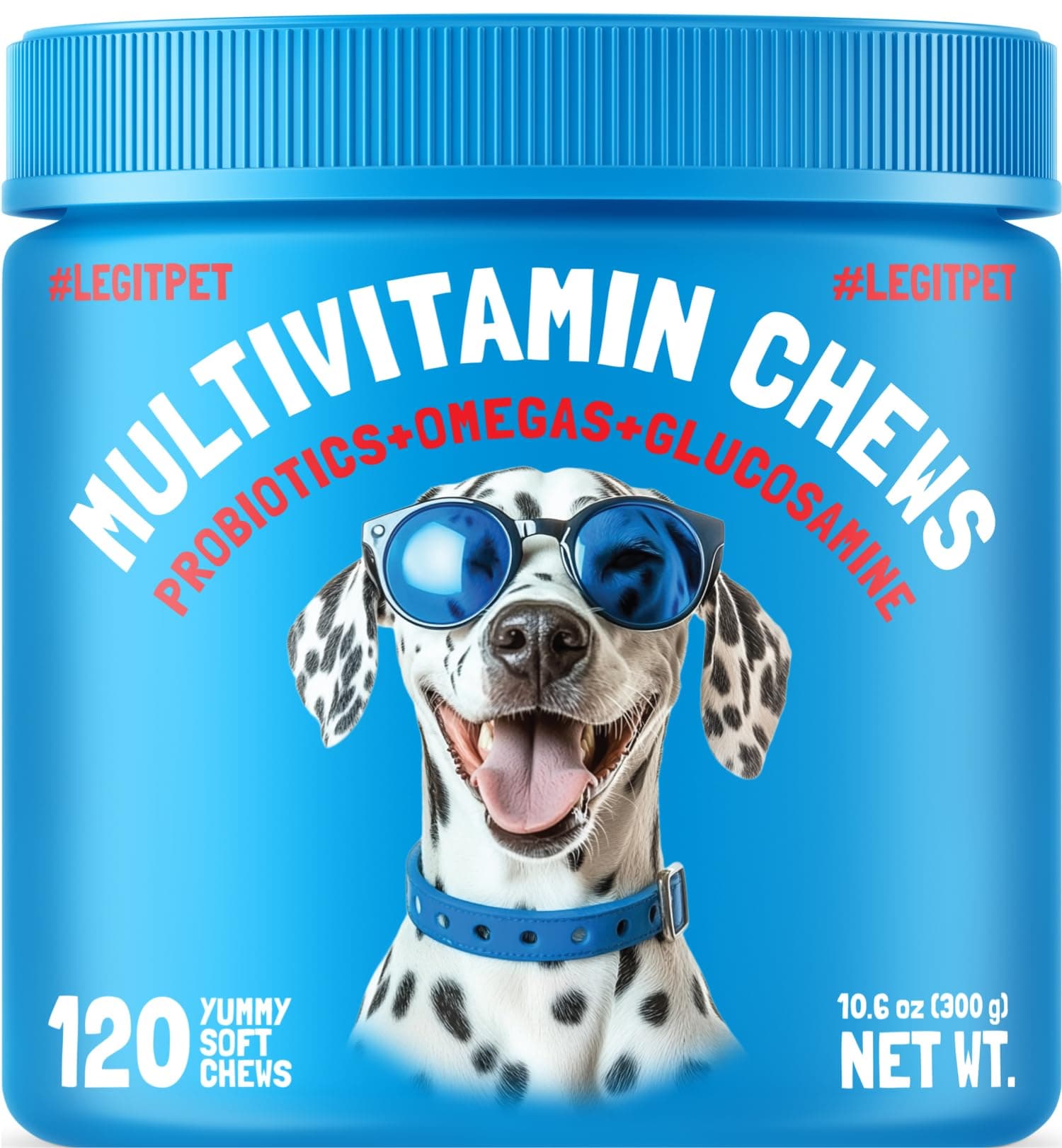
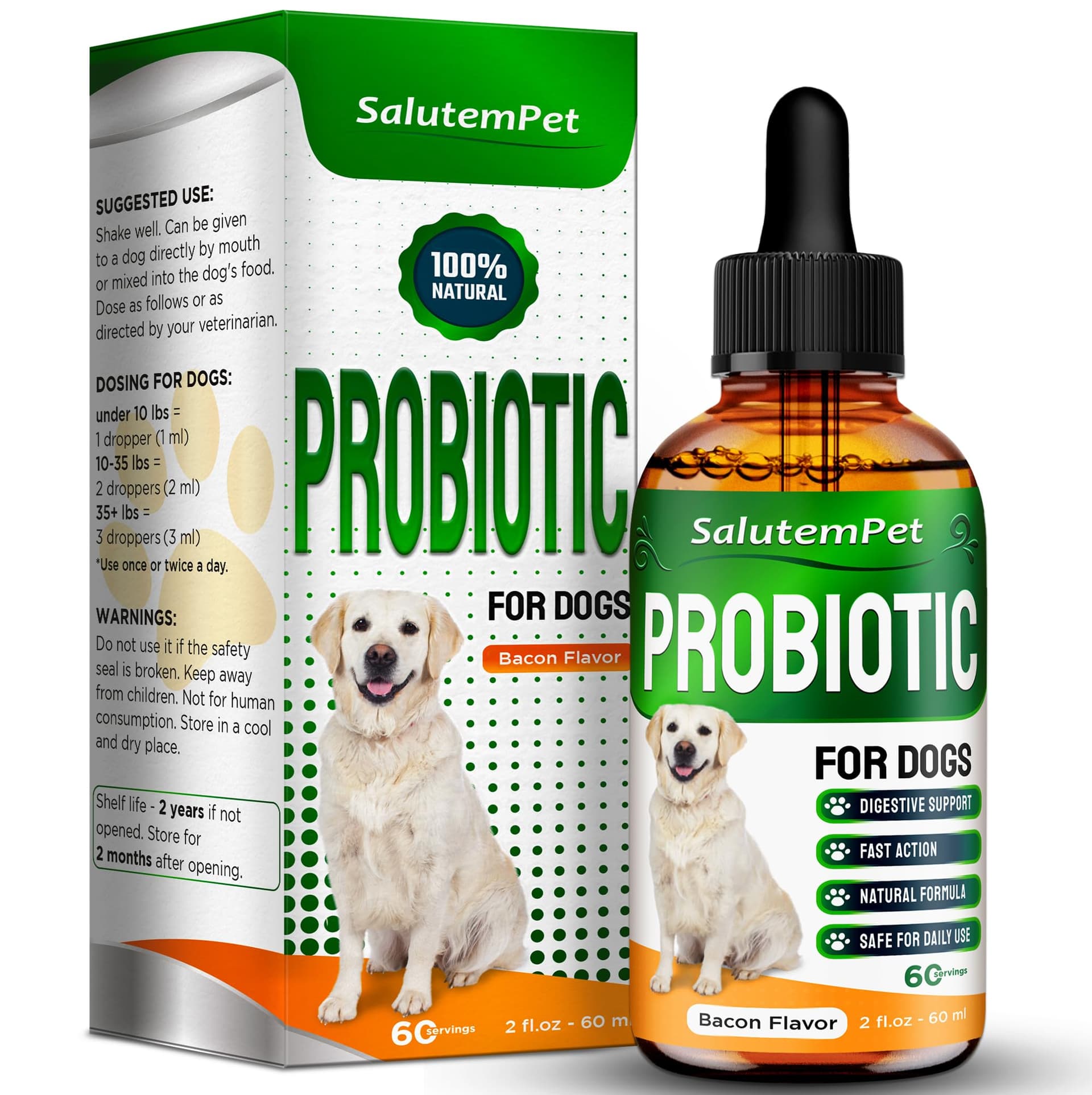
Treatment for nutritional deficiencies or health issues in Boxers often begins with dietary adjustments. Your vet may recommend a high-quality, balanced diet specifically formulated for Boxers or active breeds. If necessary, they may suggest dietary supplements such as multivitamins, omega-3 fatty acids for skin and coat health, or glucosamine for joint support. Probiotics may also be recommended to promote gut health, especially if your Boxer has experienced digestive issues. It's essential to follow your veterinarian's advice regarding the type and amount of supplements, as over-supplementing can lead to adverse effects. Tailoring your Boxer’s diet and supplement regimen can significantly influence their overall health and longevity.
Preventing Nutritional Issues in Boxers
Preventing nutritional issues in your Boxer starts with understanding their specific needs. Opt for high-quality dog food that lists meat as the primary ingredient and is free from harmful additives and fillers. Regularly monitor your dog’s weight and adjust their food intake accordingly, as Boxers can be prone to obesity. Incorporating healthy treats and snacks can also help in maintaining a balanced diet—consider options like Polkadog Chicken Littles Crunchy Training Bits, which are all-natural and great for training without the guilt. Additionally, keeping your Boxer hydrated and ensuring they receive adequate exercise will further support their overall health. Regular veterinary visits will help you stay ahead of any potential nutritional deficiencies.
Helpful Products for Your Boxer

In Summary
Understanding the nutritional needs of your Boxer is vital for their health and happiness. By monitoring their diet, recognizing warning signs, and working closely with your veterinarian, you can help ensure that your Boxer lives a long, healthy, and vibrant life. Remember, early attention to their dietary needs can make a significant difference in their overall well-being. Your love and care make all the difference!