
Nutrition & Supplements in Chihuahuas: A Complete Owner's Guide
As a proud Chihuahua owner, you know that these little dogs have big personalities. But did you know that their unique health needs also extend to their nutrition? Due to their small mouths and potential for dental disease, feeding your Chihuahua the right diet is crucial. Additionally, their propensity for conditions like hypoglycemia and heart disease means that the right dietary supplements can make all the difference. This guide will help you navigate the complexities of Chihuahua nutrition and supplementation, ensuring your furry friend stays healthy and happy.
What is Nutrition & Supplements?
Nutrition for Chihuahuas involves providing a balanced diet that meets their specific needs, considering their size, energy levels, and health concerns. A proper diet should include high-quality proteins, healthy fats, carbohydrates, vitamins, and minerals. At their core, dietary supplements are products designed to enhance the diet and provide additional nutrients that may be lacking or needed in higher amounts. Common supplements for Chihuahuas include multivitamins, joint support aids (like glucosamine), probiotics for digestive health, and omega fatty acids for skin and coat health. These supplements can support overall health, boost the immune system, and address specific concerns such as dental health and joint flexibility. However, it's crucial to consult your veterinarian before introducing any new supplements to your dog's diet to ensure they are safe and appropriate.
Warning Signs to Watch For in Your Chihuahua
Chihuahuas can be prone to various health issues, and being vigilant about their nutrition is essential. Watch for signs that may indicate nutritional deficiencies or problems related to their diet. Symptoms can include lethargy, unusual weight loss or gain, poor coat condition, excessive shedding, dental issues (like bad breath or difficulty eating), and gastrointestinal upset (vomiting or diarrhea). Additionally, if your Chihuahua seems excessively thirsty, has a change in appetite, or shows signs of hypoglycemia (such as weakness or disorientation), these could be warning signs that require attention. Regular vet check-ups can help catch any early signs of nutritional deficiencies or health issues related to diet, so don't hesitate to reach out to your veterinarian.
Why Chihuahuas Are Particularly Affected
Chihuahuas face unique challenges when it comes to nutrition due to their small size and specific health concerns. Their crowded mouths often lead to dental disease, necessitating a diet that promotes oral health, such as crunchy kibble that can help reduce plaque buildup. Additionally, their small stature makes them susceptible to hypoglycemia, particularly in puppies and smaller individuals, requiring a diet that maintains stable blood sugar levels. Conditions like luxating patellas and tracheal collapse can also make it essential to maintain an optimal weight to reduce stress on their joints and respiratory systems. Moreover, Chihuahuas with a molera must be protected from injury, making it important to consider their overall health when selecting food and supplements. Understanding these breed-specific vulnerabilities allows owners to tailor nutrition and supplements to support their Chihuahuas' health proactively.
How Serious Is It? When to See the Vet
Nutritional issues can escalate quickly, especially in Chihuahuas. If you notice any warning signs mentioned earlier, it’s essential to consult your veterinarian promptly. Specific situations warrant immediate veterinary attention, such as persistent vomiting or diarrhea, severe lethargy, or any signs of hypoglycemia. Additionally, if your Chihuahua refuses to eat for more than 24 hours or shows drastic changes in behavior or appetite, these are red flags. Regular check-ups are vital for early detection of any potential health issues. Your vet can provide tailored advice based on your Chihuahua's specific needs, lifestyle, and any existing health concerns. Remember, preventive care and early intervention can make a significant difference in your dog’s quality of life.
Treatment Options & What Your Vet Might Recommend
When it comes to addressing nutritional deficiencies in Chihuahuas, your veterinarian may recommend a combination of dietary adjustments and supplements. They might suggest high-quality, breed-appropriate dog food that meets your Chihuahua's unique caloric and nutritional requirements. Additionally, they may recommend specific supplements, such as multivitamins with glucosamine for joint health or probiotics to support digestive health. It’s essential to choose products that are specifically formulated for small breeds to ensure that the dosage is appropriate. Your vet may also advise on how to incorporate these supplements into your dog's diet effectively. Always follow your veterinarian’s guidance and provide any necessary information about your Chihuahua’s dietary habits, preferences, and any health issues to help them develop a comprehensive care plan.
Preventing Nutrition & Supplements in Chihuahuas
Preventive care in nutrition and supplementation for Chihuahuas starts with choosing a high-quality diet that meets their specific needs. Look for dog foods that are specifically formulated for small breeds, as these will typically have the right balance of nutrients and smaller kibble sizes. Regular dental care is also crucial; consider incorporating dental chews or specific diets that promote oral health. To prevent hypoglycemia, especially in puppies, feed smaller, more frequent meals throughout the day. Monitor your Chihuahua’s weight and adjust their diet accordingly to prevent obesity, which can exacerbate other health issues. Lastly, always consult with your veterinarian before adding supplements to ensure they’re necessary and beneficial.
Helpful Products for Your Chihuahua
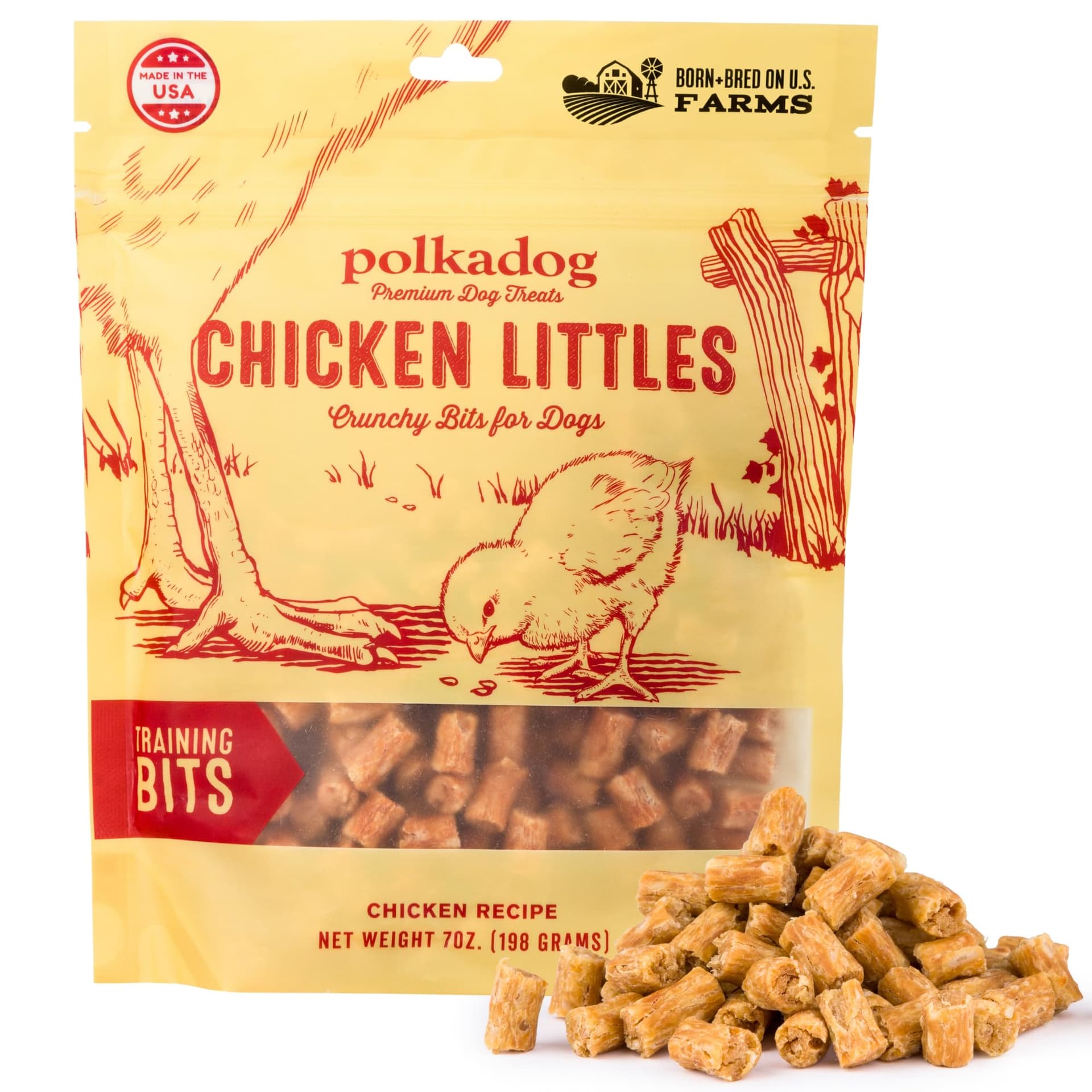
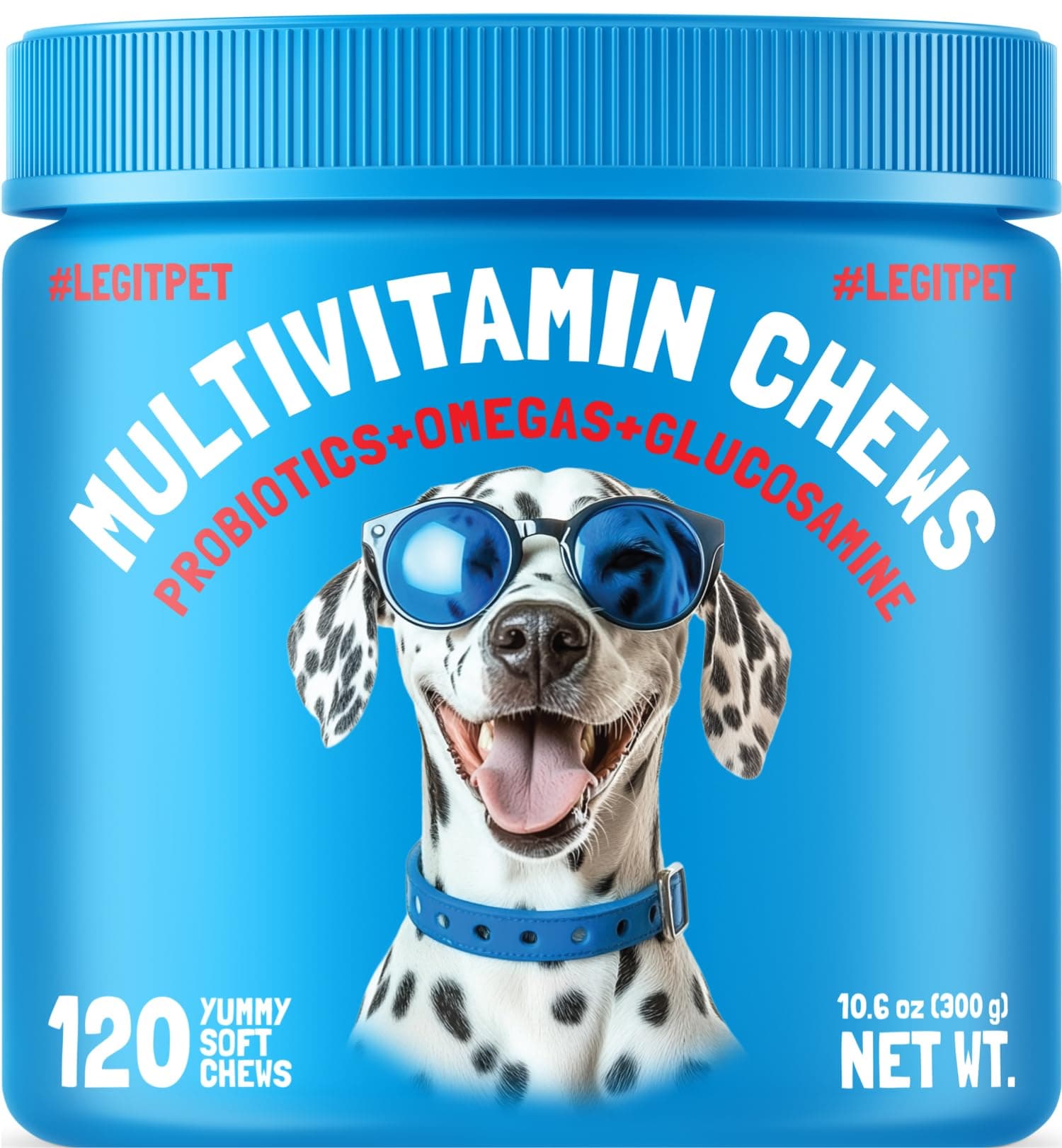
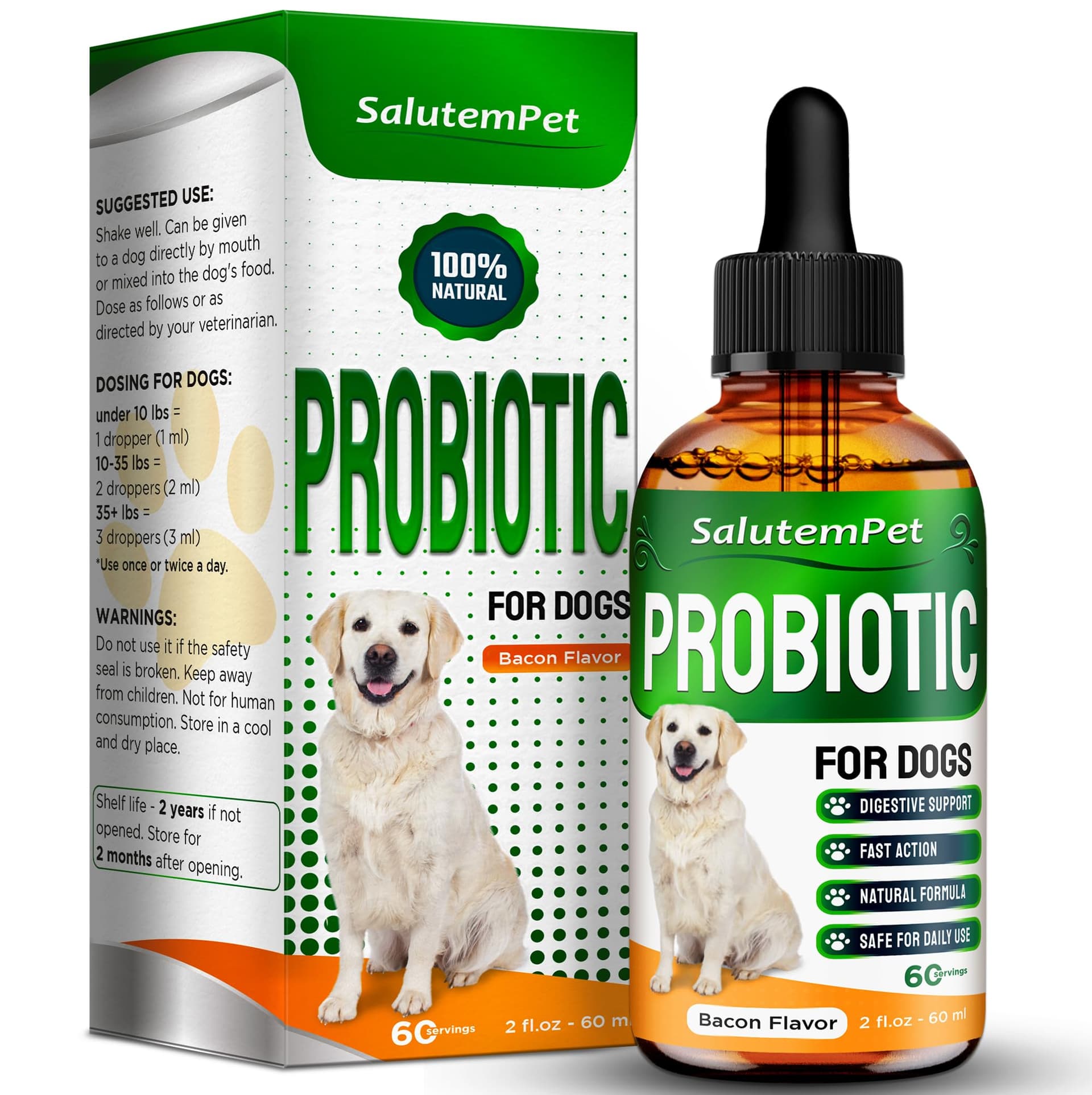
In Summary
Caring for your Chihuahua’s nutritional needs is a vital part of their overall health and well-being. By being proactive about their diet and considering proper supplements, you can help prevent many common health issues that affect this breed. Remember, your vet is your best resource for tailored advice. Early attention to your Chihuahua's nutritional requirements can lead to a happier, healthier life together. Take those steps today, and enjoy every moment with your dear companion.