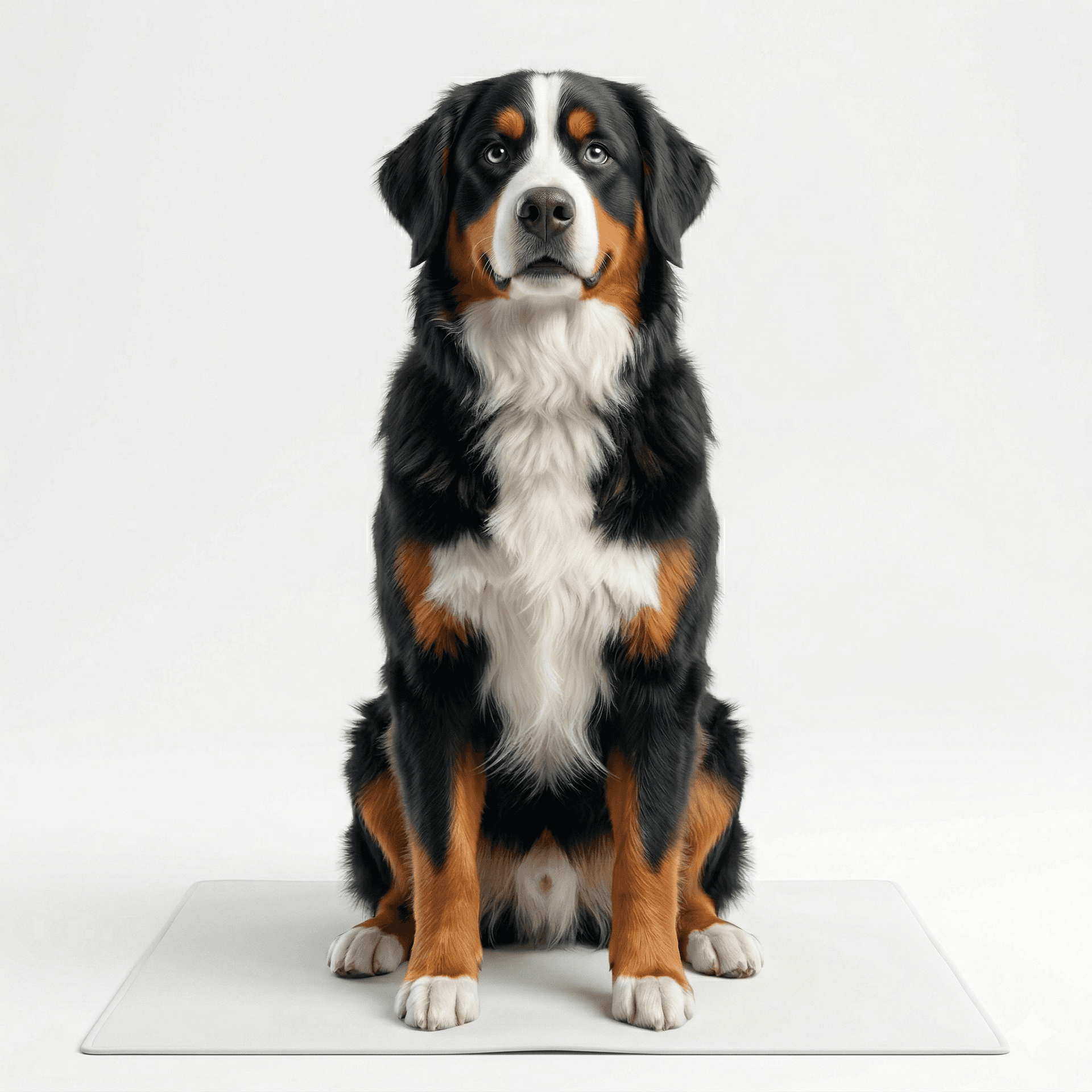
Senior Dog Health in Bernese Mountain Dogs: A Complete Owner's Guide
As your beloved Bernese Mountain Dog enters their senior years, it's crucial to understand the unique health challenges they face. With a lifespan typically ranging from 7 to 8 years, this breed often grapples with serious conditions like cancer, hip dysplasia, and progressive retinal atrophy. By recognizing the signs of aging and being proactive in care, you can significantly enhance your dog's quality of life during these precious years. This guide will equip you with essential knowledge to help your senior Bernese thrive.
What is Senior Dog Health?
Senior dog health refers to the unique physiological and psychological changes that occur as dogs age. For Bernese Mountain Dogs, these changes can manifest differently due to their specific health predispositions. Aging affects various systems in the body, leading to decreased metabolism, reduced energy levels, and a higher likelihood of chronic health issues. As they transition into their golden years, it's essential to provide them with a balanced diet, regular veterinary check-ups, and exercise tailored to their capabilities. Understanding these changes enables owners to adapt care strategies and maintain their dog's well-being.
Warning Signs to Watch For in Your Bernese Mountain Dog
Being vigilant about your senior Bernese Mountain Dog’s health is crucial. Look out for symptoms such as sudden weight loss, lethargy, changes in appetite, difficulty in movement, or excessive panting. Behavioral changes, such as increased anxiety or withdrawal, can also indicate discomfort or health issues. You may notice stiffness in joints, reluctance to climb stairs, or trouble getting up after resting. Additionally, watch for any unusual lumps or bumps, especially since the breed is prone to tumors. Early identification of these signs can lead to timely veterinary intervention and better outcomes.
Why Bernese Mountain Dogs Are Particularly Affected
Bernese Mountain Dogs have a shorter lifespan than many other breeds, primarily due to their genetic predisposition to various health issues. The breed experiences a high incidence of cancer, particularly histiocytic sarcoma, mast cell tumors, and lymphoma, which are leading causes of mortality. Furthermore, they are susceptible to hip and elbow dysplasia, progressive retinal atrophy, and von Willebrand's disease. These conditions not only affect their physical health but can also impact their quality of life. Understanding these breed-specific vulnerabilities allows owners to take proactive measures in monitoring their dog's health.
How Serious Is It? When to See the Vet
Knowing when to seek veterinary attention for your senior Bernese Mountain Dog is essential. Any drastic change in behavior, appetite, or weight should prompt a visit to the vet. Additionally, if your dog is showing signs of pain—such as whining, limping, or difficulty in rising—it is crucial to consult with a veterinarian. Symptoms like persistent vomiting, diarrhea, or excessive thirst can indicate underlying health issues that require immediate attention. Regular wellness checks are also vital, as they allow for early detection of potential problems, particularly in breeds with high cancer rates.
Treatment Options & What Your Vet Might Recommend
Treatment for senior Bernese Mountain Dogs will vary based on the condition diagnosed. For joint issues, your vet may recommend anti-inflammatory medications, joint supplements, or physical therapy. If cancer is detected, treatment options may include surgery, chemotherapy, or palliative care depending on the type and stage of cancer. Regular screenings and blood tests can help monitor your dog's health and catch problems early. Nutritional support, including specialized diets or supplements, can also play a significant role in managing health conditions and ensuring your dog remains comfortable and active.
Preventing Senior Dog Health in Bernese Mountain Dogs
While some health issues are unavoidable due to genetics, there are steps you can take to promote better health in your senior Bernese Mountain Dog. Regular exercise, appropriate for their age and ability, can help maintain a healthy weight and support joint health. A balanced diet enriched with antioxidants, omega fatty acids, and joint supplements can also contribute to overall wellness. Regular veterinary check-ups and vaccinations will help catch any potential issues early. Additionally, keeping their living environment comfortable, with easy access to food, water, and a cozy resting area, is vital for their well-being.
Helpful Products for Senior Bernese Mountain Dogs



In Summary
Caring for a senior Bernese Mountain Dog requires awareness, compassion, and proactive health management. By recognizing the signs of aging and understanding breed-specific vulnerabilities, you can provide the best possible care for your furry friend. Remember, early attention to health issues can make a significant difference in their quality of life. Cherish these moments and enjoy the journey with your senior Bernese Mountain Dog.