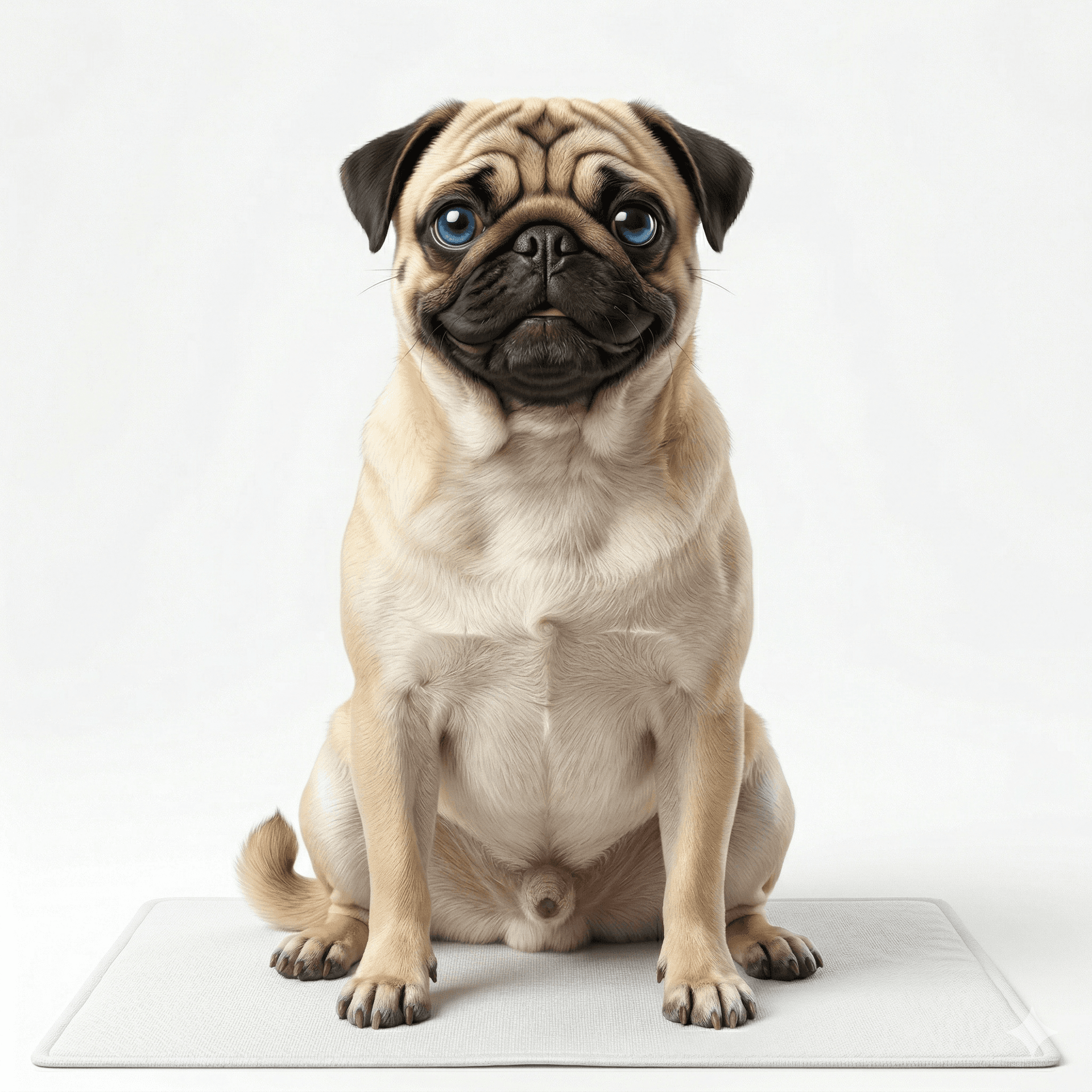
Signs of Anxiety & Stress in Pugs: What Every Owner Should Know
As a devoted Pug owner, you might notice that your little companion sometimes seems a bit off—perhaps trembling during thunderstorms or struggling to relax during a busy day. Pugs, with their charming personalities and unique physical traits, are particularly vulnerable to anxiety and stress. Understanding these conditions is crucial, not just for your Pug’s comfort but also for their overall health. Early intervention can make a significant difference in managing anxiety, allowing your Pug to live a happier, more relaxed life. Let’s dive into what anxiety and stress look like in Pugs and how you can help your furry friend thrive.
What is Anxiety & Stress?
Anxiety and stress in dogs manifest as a natural response to perceived threats or changes in their environment. When a Pug experiences anxiety, it triggers a biological response that involves the release of stress hormones such as cortisol and adrenaline. This can lead to behavioral changes, emotional distress, and even physical symptoms. Stress can arise from various factors including loud noises, separation from their owner, or changes in routine. Understanding the mechanisms of anxiety is essential, as it helps owners recognize that their Pug’s behavior can be a reflection of their emotional state. In essence, while some stress is a normal part of life, prolonged anxiety can lead to more serious health issues if not addressed properly.
Warning Signs to Watch For in Your Pug
Recognizing the signs of anxiety and stress in your Pug is vital for timely intervention. Common symptoms include excessive barking, destructive behavior, trembling, hiding, or pacing. You may also notice changes in appetite or energy levels, such as lethargy or restlessness. Some Pugs may exhibit clinginess or increased dependence on their owner, while others could become withdrawn. Physical signs may include a tucked tail, pinned ears, or even excessive drooling. Watch for changes in your Pug’s behavior or routine, as these can indicate that they are experiencing stress. Being aware of these signs allows you to take proactive steps to help your Pug feel secure and relaxed.
Why Pugs Are Particularly Affected
Pugs possess unique physical characteristics that contribute to their susceptibility to anxiety and stress. Their brachycephalic conformation, which causes respiratory issues like brachycephalic obstructive airway syndrome (BOAS), can lead to breathing difficulties that may exacerbate feelings of anxiety. Additionally, Pugs are known for their strong attachment to their owners, which can make separation anxiety a common issue. Furthermore, the breed is prone to various health challenges such as Pug dog encephalitis (PDE) and joint problems, which can cause discomfort and lead to stress. Pugs are also sensitive to environmental changes, making them more vulnerable to anxiety triggers. Understanding these breed-specific vulnerabilities is crucial for effective management of their emotional well-being.
How Serious Is It? When to See the Vet
While occasional anxiety is normal, persistent or severe anxiety in Pugs can lead to serious health problems. If your Pug exhibits extreme signs of distress—such as prolonged barking, aggression, or self-harm—it is essential to consult your veterinarian. Red flags include sudden changes in behavior, loss of appetite, or signs of physical pain. Since Pugs are prone to various health issues, it’s crucial to rule out any underlying medical conditions that could be contributing to their anxiety. Early diagnosis and intervention can make a significant difference in your Pug’s quality of life. If you’re ever in doubt, don’t hesitate to reach out to your vet for guidance.
Treatment Options & What Your Vet Might Recommend
Treating anxiety in Pugs often involves a combination of behavioral modification and medical intervention. Your veterinarian may recommend anxiety-reducing medications or supplements, such as calming chews that contain ingredients like melatonin, valerian root, or L-Tryptophan. These can help manage acute stressors or promote relaxation during challenging situations. Behavioral therapies, including desensitization and counter-conditioning, are also effective. Training your Pug to associate positive experiences with previously anxiety-inducing situations can be incredibly beneficial. In some cases, your vet may suggest working with a professional dog trainer or animal behaviorist to develop a tailored plan for managing your Pug’s anxiety.
Preventing Anxiety & Stress in Pugs
Preventing anxiety and stress in your Pug is always preferable to treatment. Establishing a consistent routine can provide a sense of security for your dog. Regular exercise and mental stimulation are key components in reducing anxiety, as they help burn off excess energy and keep your Pug engaged. Create a safe space where your Pug can retreat during stressful situations, and consider using calming aids like pheromone diffusers or soft music. Socialization is also important; expose your Pug to various environments, people, and other dogs to build their confidence. Finally, regular vet check-ups are essential for monitoring their overall health and addressing any emerging issues promptly.
Helpful Products for Managing Pug Anxiety



In Summary
Understanding and addressing anxiety and stress in your Pug is essential for their well-being. By recognizing the signs, seeking timely veterinary advice, and implementing preventive measures, you can help your Pug lead a happier, healthier life. Remember, you’re not alone in this journey—many Pug owners face similar challenges, and with patience and care, you can make a significant difference in your furry friend’s emotional health.