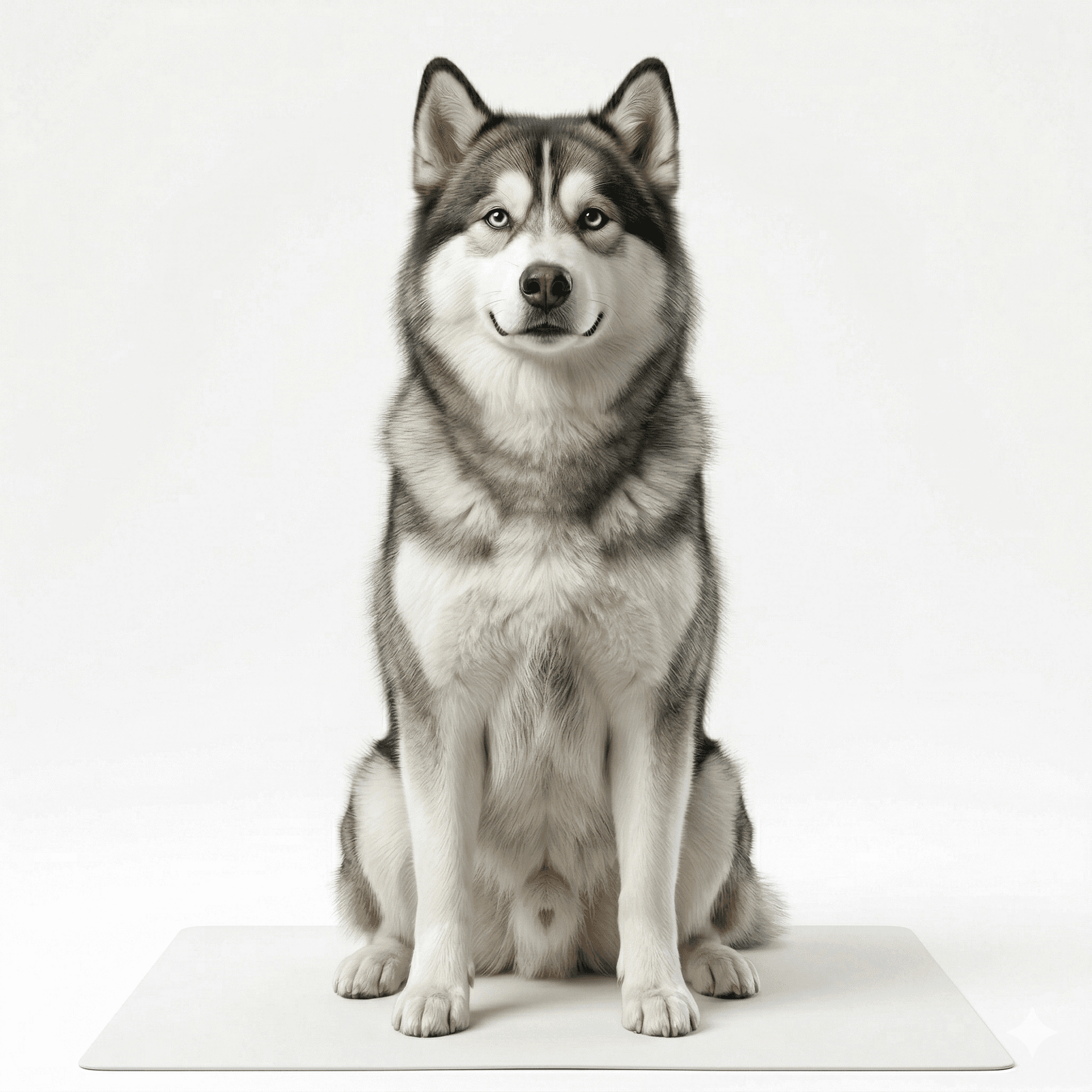
Signs of Anxiety & Stress in Alaskan Malamutes: What Every Owner Should Know
As an Alaskan Malamute owner, you may have noticed your loyal companion behaving differently at times. Whether it's pacing around the house or hiding during a thunderstorm, these signs could indicate anxiety or stress. Alaskan Malamutes are a strong and resilient breed, but they can be sensitive to changes in their environment, making it crucial for you, as an owner, to recognize the signs and understand how to help them. This guide will provide you with essential information about anxiety and stress in Malamutes, ensuring you can support your furry friend in maintaining their emotional well-being.
What is Anxiety & Stress?
Anxiety and stress are emotional responses that can significantly affect a dog's behavior and overall health. Anxiety is typically triggered by specific situations, such as loud noises, separation from owners, or unfamiliar environments, while stress can arise from various factors, including lack of exercise, changes in routine, or environmental disturbances. In dogs, these emotions can manifest through various behavioral changes, such as excessive barking, destructive behavior, or withdrawal. Understanding the mechanisms of anxiety and stress is essential for any Alaskan Malamute owner. When a dog feels anxious, their body releases stress hormones, which can lead to long-term health issues if not addressed. This makes it crucial for you to identify the triggers and provide a supportive environment to help your Malamute cope.
Warning Signs to Watch For in Your Alaskan Malamute
As a responsible Alaskan Malamute owner, being vigilant about anxiety and stress signs is vital. Common indicators include excessive barking, whining, or howling, particularly when left alone. You might also notice destructive behaviors, such as chewing furniture or digging. Physical signs can include panting, pacing, trembling, or refusing to eat. Your Malamute may exhibit avoidance behaviors, like hiding or trying to escape during stressful events, such as thunderstorms or fireworks. Additionally, some Malamutes may display aggression or hyperactivity due to stress. Recognizing these symptoms early on is essential in addressing the underlying issues and implementing strategies to ease their anxiety.
Why Alaskan Malamutes Are Particularly Affected
Alaskan Malamutes are known for their strong, independent nature, but these traits can make them particularly vulnerable to anxiety and stress. This breed thrives on physical activity and mental stimulation, and a lack of these essential elements can lead to behavioral problems. Furthermore, Malamutes are prone to certain hereditary health concerns, including hip dysplasia and polyneuropathy, which can cause discomfort and contribute to anxiety. Additionally, their high prey drive and instinct to roam can heighten their stress levels if they feel confined or restricted. Understanding these breed-specific vulnerabilities allows you as an owner to create an environment that caters to your Malamute's needs, reducing the likelihood of anxiety and stress.
How Serious Is It? When to See the Vet
While some anxiety and stress in dogs can be normal, persistent or severe symptoms warrant a visit to the veterinarian. Red flags include significant changes in behavior, such as loss of appetite, excessive lethargy, or aggression. If your Malamute's symptoms disrupt their daily life or yours, it’s time to seek professional help. Chronic anxiety can lead to detrimental health effects, such as gastrointestinal issues and weakened immune function, making early intervention crucial. Your vet can help determine if your dog's anxiety is situational or part of a broader behavioral issue that may require treatment, such as anxiety medication or behavioral therapy.
Treatment Options & What Your Vet Might Recommend
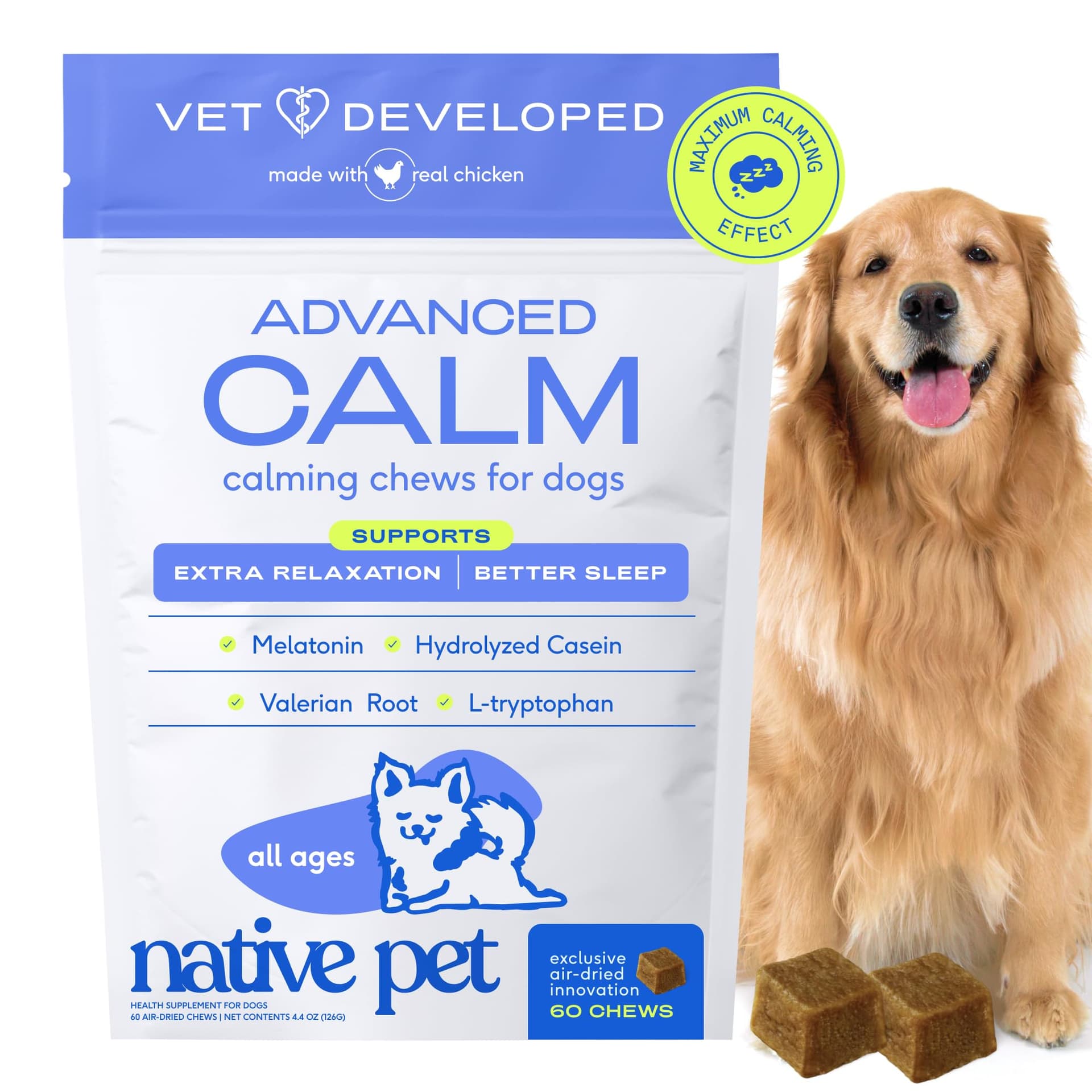
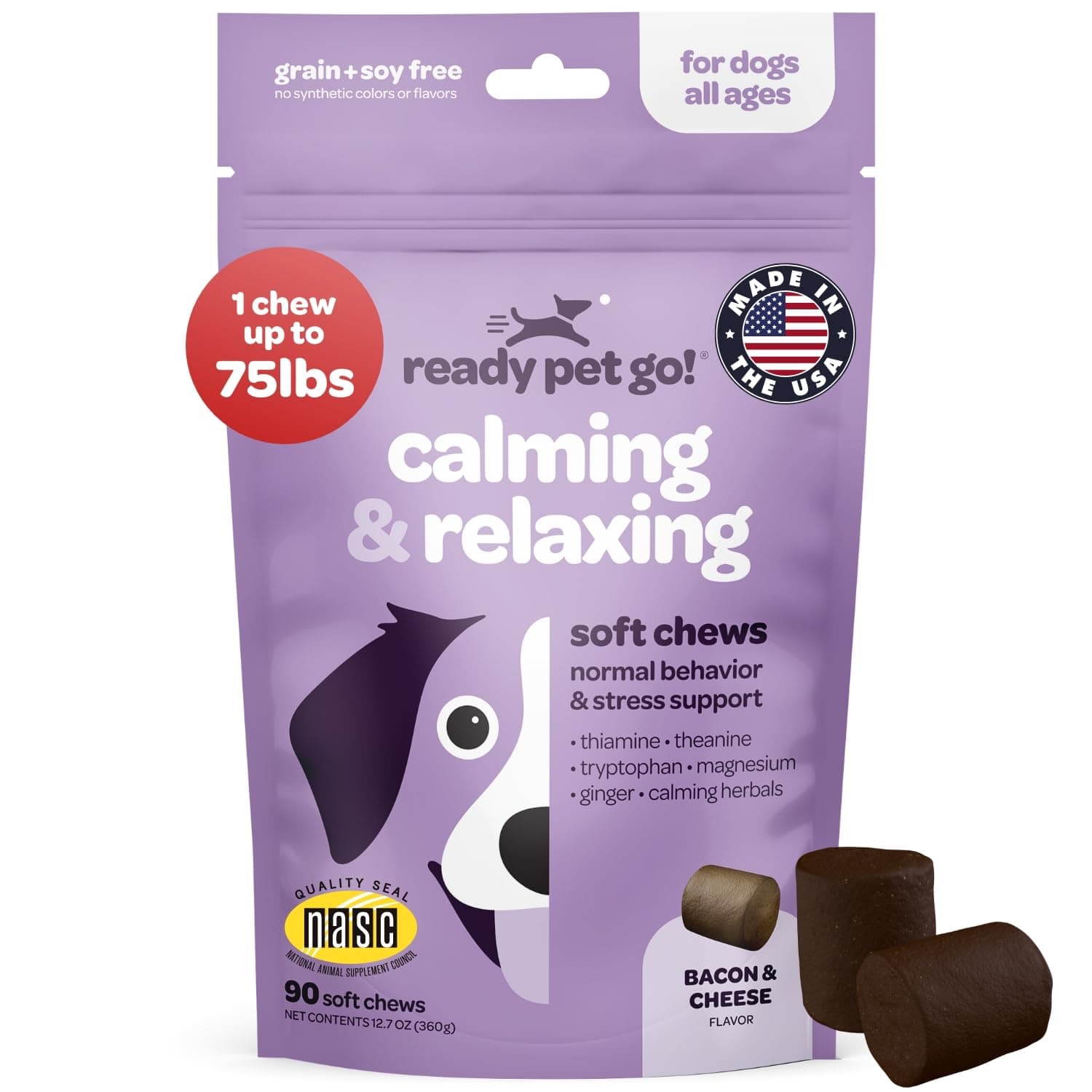
If your Alaskan Malamute is diagnosed with anxiety or stress, your veterinarian may recommend several treatment options. These can include behavior modification strategies, such as desensitization and counter-conditioning, which help your dog gradually adapt to their triggers. In some cases, your vet might suggest calming supplements or medications to alleviate anxiety symptoms, particularly during stressful situations. Products like Native Pet Advanced Calming Chews or Hemp Calming Chews for Dogs may also be helpful. These treats contain natural ingredients that promote relaxation and can be given during times of increased stress, such as vet visits or thunderstorms. Always consult your veterinarian before starting any new treatment to ensure it’s appropriate for your dog’s specific needs.
Preventing Anxiety & Stress in Alaskan Malamutes
Prevention is often the best approach when it comes to anxiety and stress in Alaskan Malamutes. Providing a stable, structured environment with a consistent routine can help your dog feel secure. Regular exercise is crucial for this active breed, so aim for daily walks, play sessions, and mental stimulation through puzzle toys or training games. Socialization is also important; exposing your Malamute to various environments, people, and other animals from a young age can help reduce anxiety in new situations. Additionally, creating a safe space in your home where your dog can retreat during stressful times can provide comfort. Finally, consider incorporating calming products, like the recommended chews, to support your Malamute's emotional health.
Helpful Products for Managing Anxiety

In Summary
Understanding anxiety and stress in your Alaskan Malamute is essential for their well-being. By recognizing the signs early and implementing practical strategies, you can help your furry friend lead a happier, more relaxed life. Remember, you are not alone in this journey—many owners face similar challenges. Don't hesitate to seek professional guidance when needed. A well-supported Malamute is a happy Malamute, and your efforts will make a significant difference in their emotional health.