
Signs of Dental Disease in Bloodhounds: What Every Owner Should Know
As a proud Bloodhound owner, you know that your dog’s droopy ears and incredible sense of smell can be both endearing and a handful. But did you know that their unique anatomy and habits can make them particularly susceptible to dental disease? Just like humans, dogs can suffer from periodontal disease, which may lead to serious health issues if left untreated. Understanding dental disease and how to spot warning signs in your Bloodhound is crucial for ensuring their overall health and happiness. Let’s dive into this vital aspect of canine care.
What is Dental Disease?
Dental disease primarily refers to periodontal disease, which is an infection of the tissues surrounding the teeth. This condition starts when plaque—a sticky film of bacteria—builds up on the teeth. If not removed through regular brushing or dental care, plaque hardens into tartar, leading to inflammation of the gums (gingivitis) and, eventually, deeper periodontal infections. In severe cases, the infection can result in tooth loss and can also affect other organs if bacteria enter the bloodstream. The mechanisms of dental disease can be quite similar to those in humans, but dogs, including Bloodhounds, often have unique challenges due to their conformation and habits. Regular monitoring of your Bloodhound's oral health is essential to prevent the progression of dental disease.
Warning Signs to Watch For in Your Bloodhound
Recognizing the early signs of dental disease is key to prompt treatment. In Bloodhounds, you should be vigilant for symptoms such as bad breath (halitosis), difficulty chewing or reluctance to eat, drooling excessively, swollen or bleeding gums, and visible tartar on the teeth. You may also notice your dog pawing at their mouth or exhibiting signs of pain, such as whining or lack of interest in play. Occasionally, Bloodhounds may even develop behavioral changes, becoming irritable or less social. If you observe any of these symptoms, it is crucial to consult your veterinarian promptly, as these can indicate an escalating dental issue.
Why Bloodhounds Are Particularly Affected
Bloodhounds face unique challenges when it comes to dental health, primarily due to their anatomy and lifestyle. Their long, droopy lips and ears can trap food particles and moisture, creating a breeding ground for bacteria. Additionally, their tendency to follow scent trails often leads them to consume non-food items, which can further irritate their gums and teeth. Moreover, the breed’s predispositions to certain health issues like gastric dilatation-volvulus (bloat) can complicate their overall well-being, making it even more critical to ensure their dental health is not neglected. Regular dental check-ups and good oral hygiene can help mitigate these risks.
How Serious Is It? When to See the Vet
Dental disease can escalate quickly from mild gingivitis to severe periodontal disease, so recognizing when to seek veterinary care is essential. If your Bloodhound displays any signs of discomfort, such as difficulty eating, swollen gums, or persistent bad breath, it’s time to visit your veterinarian. Additionally, if you notice significant changes in their behavior or appetite, do not hesitate to reach out. Routine dental check-ups are also vital; your vet can provide a professional cleaning and assess your dog’s oral health. Early intervention can prevent more severe health issues down the line, so don’t wait until symptoms worsen.
Treatment Options & What Your Vet Might Recommend
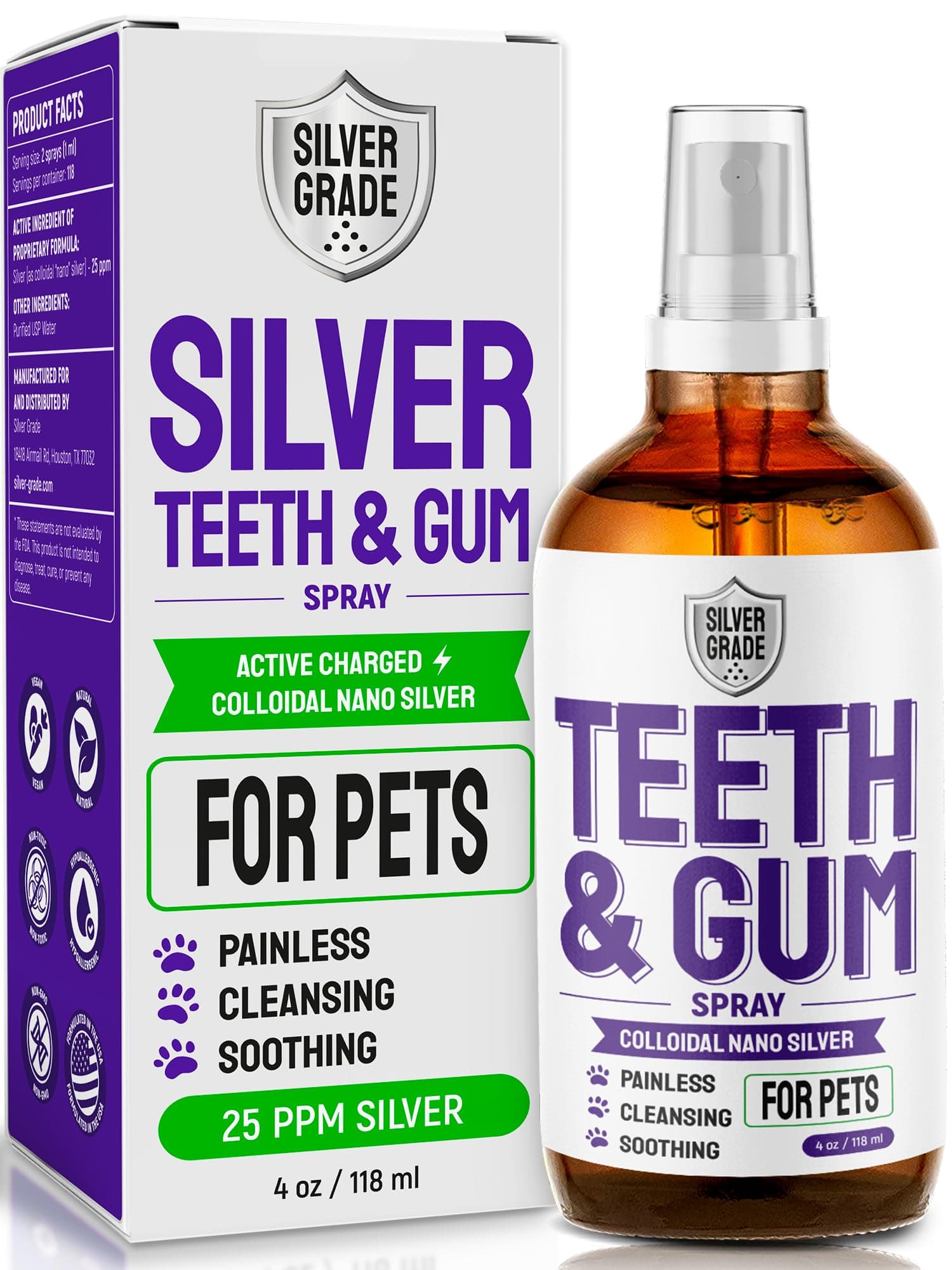
Treatment for dental disease in Bloodhounds often begins with a thorough dental cleaning performed by your veterinarian. This may include scaling to remove tartar and polishing the teeth. In cases of advanced periodontal disease, additional procedures such as tooth extractions may be necessary. Your vet may also recommend oral antibiotics if there is a significant infection. At home, incorporating dental care products into your routine, such as dental wipes, powders, or sprays, can help maintain your Bloodhound’s oral hygiene between vet visits. Always follow your veterinarian’s recommendations to ensure the most effective treatment plan.
Preventing Dental Disease in Bloodhounds
Prevention is always better than cure, especially when it comes to dental health. For Bloodhounds, establishing a regular dental care routine can make a significant difference. Brush your dog’s teeth regularly with a vet-approved toothbrush and toothpaste, and consider using dental wipes for those less cooperative. Providing dental chews can also help reduce plaque and tartar buildup. Additionally, ensure your Bloodhound has a balanced diet; certain kibble types are designed to promote dental health. Regular veterinary check-ups, including dental cleanings, are essential for early detection and management of dental issues. By being proactive, you can help keep your Bloodhound’s smile bright and healthy.
Helpful Products for Dental Care


In Summary
Understanding dental disease is essential for every Bloodhound owner. By being aware of the signs, understanding the unique vulnerabilities of your breed, and following a proactive care routine, you can help ensure your furry friend maintains optimal oral health. Remember, early detection and treatment can make all the difference. Stay committed to your Bloodhound’s dental care, and you’ll both enjoy many happy, healthy years together.