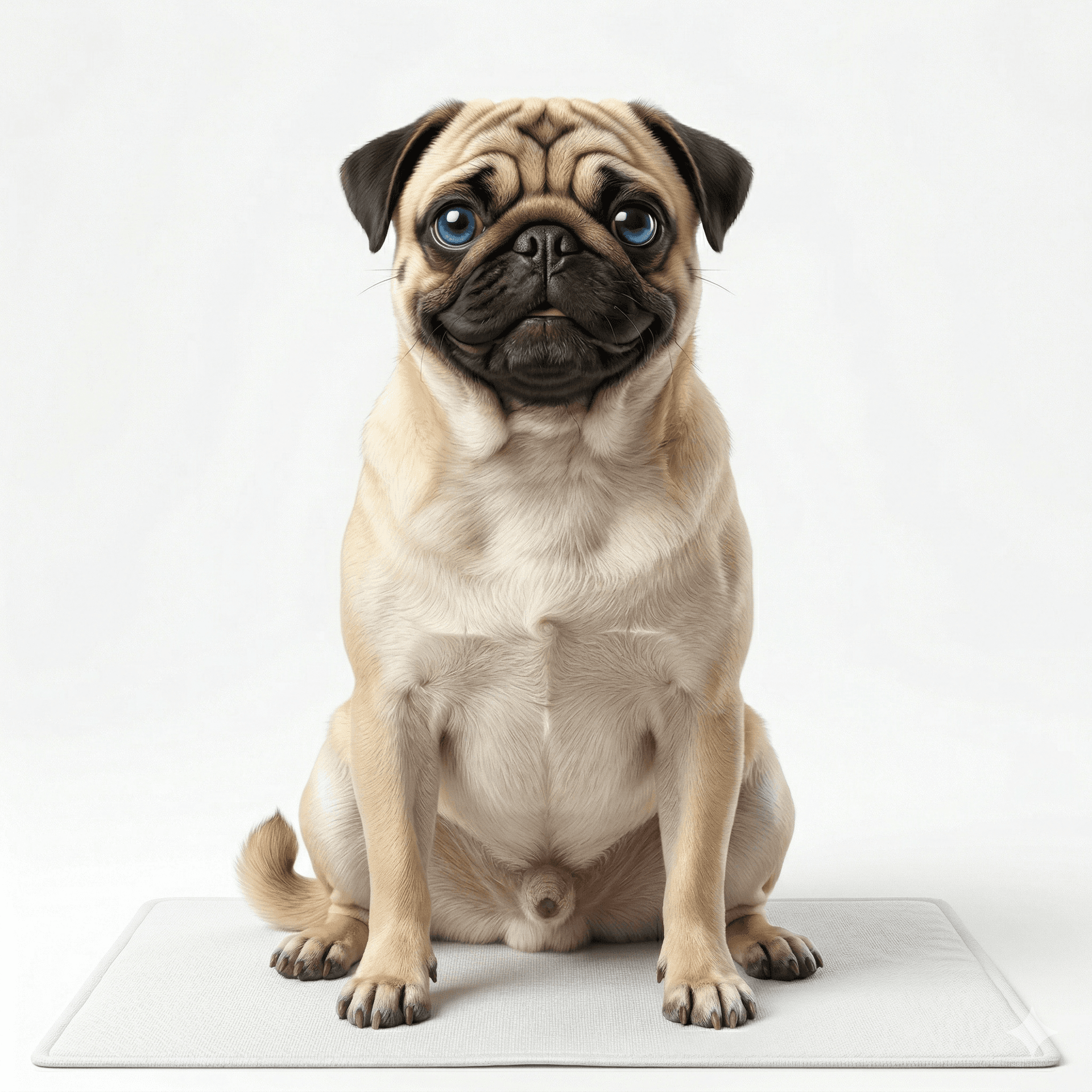
Signs of Digestive Problems in Pugs: What Every Owner Should Know
As a Pug owner, you may have noticed that your beloved companion has a unique way of expressing discomfort, especially when it comes to digestive issues. Pugs are charming, cuddly dogs, but their cute, flat faces and deep-set eyes come with a host of health challenges—digestive problems being among them. Understanding how digestive issues manifest in Pugs is crucial for maintaining their quality of life. This article aims to equip you with the knowledge to recognize these issues early and take appropriate action, ensuring your Pug remains happy and healthy.
What is Digestive Problems?
Digestive problems in dogs encompass a range of conditions affecting their gastrointestinal tract, including issues such as vomiting, diarrhea, constipation, gas, and bloating. The digestive system is responsible for breaking down food, absorbing nutrients, and eliminating waste. When this system is disrupted, it can lead to discomfort and serious health concerns. For Pugs, with their short snouts and unique anatomy, the risk of digestive issues can be heightened. The brachycephalic structure can lead to swallowing air while eating, contributing to gas and bloating. Additionally, their tendency to overeat or eat too quickly can exacerbate these problems. Understanding the basic mechanisms of digestion can help in identifying issues early, allowing for timely intervention and treatment.
Warning Signs to Watch For in Your Pug
Recognizing the signs of digestive problems in Pugs is essential for prompt treatment. Common symptoms include vomiting, diarrhea, an increase in flatulence, signs of discomfort such as whining or pacing, and a decrease in appetite. You may also notice your Pug engaging in excessive licking of the lips or showing reluctance to eat. Additionally, if your Pug has a distended abdomen or demonstrates signs of pain when you touch their belly, these could be indicators of severe issues such as bloat or obstruction. It’s important to monitor your dog's behavior and dietary habits closely. Keeping a journal of any changes can help you communicate effectively with your veterinarian, aiding in diagnosis and treatment.
Why Pugs Are Particularly Affected
Pugs are particularly vulnerable to digestive problems due to their unique anatomical features and predisposed health issues. Their brachycephalic conformation can lead to airway restrictions, which can complicate feeding and swallowing, increasing the risk of aspiration. Furthermore, Pugs often suffer from obesity, which can exacerbate digestive issues and lead to conditions like gastroesophageal reflux. Their propensity for food allergies and sensitivities also puts them at higher risk for gastrointestinal upset. Additionally, certain breed-specific diseases, such as Pug Dog Encephalitis (PDE), can indirectly affect digestive health through neurological impacts on the gastrointestinal tract. Understanding these vulnerabilities can help owners take proactive measures to support their Pug's digestive health.
How Serious Is It? When to See the Vet
While some digestive issues in Pugs may be mild and resolve with home care, others can be serious and require immediate veterinary attention. Any persistent vomiting or diarrhea lasting more than 24 hours is a red flag. Additionally, if your Pug appears lethargic, has a rapid heart rate, shows signs of abdominal distension, or is in severe discomfort, these are urgent signs that warrant a trip to the vet. Notably, bloat—a condition where the stomach fills with gas and twists—can be life-threatening and requires emergency intervention. Always err on the side of caution; if you are in doubt about your Pug's condition, consult your veterinarian for a professional evaluation.
Treatment Options & What Your Vet Might Recommend
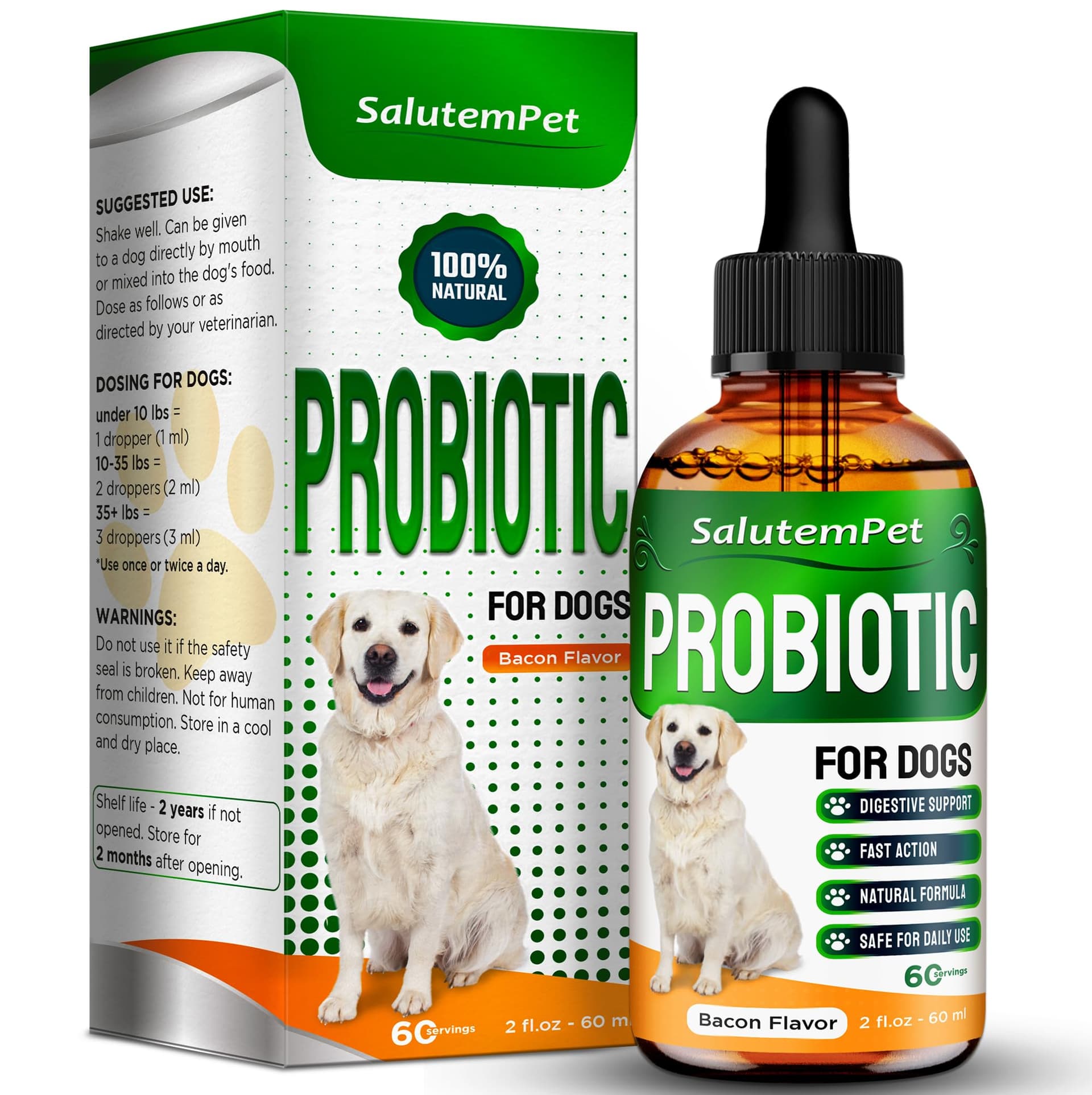
The treatment for digestive problems in Pugs can vary widely based on the underlying cause. Your veterinarian may recommend dietary changes, such as switching to a more easily digestible food or a specialized diet that addresses specific sensitivities. Probiotics can also be beneficial for restoring gut health, and medications may be prescribed to manage symptoms like nausea or diarrhea. In cases of severe bloat or gastrointestinal obstruction, surgical intervention may be necessary. It's essential to follow your vet's recommendations closely and monitor your Pug's response to any treatments. Regular check-ups can also help catch potential issues early and tailor ongoing care.
Preventing Digestive Problems in Pugs
Preventive care is key to minimizing the risk of digestive problems in Pugs. Start by offering smaller, more frequent meals rather than one or two large servings, which can reduce the likelihood of bloating. Consider using slow-feeding bowls to encourage your Pug to eat more slowly. Maintaining a healthy weight through regular exercise and a balanced diet is crucial. Additionally, be mindful of what you feed your Pug; avoid table scraps and foods that are known to upset their stomachs, such as dairy, fatty foods, and certain human snacks. Regular vet visits will also help monitor your Pug's overall health, including their digestive system, ensuring that any potential issues are caught early.
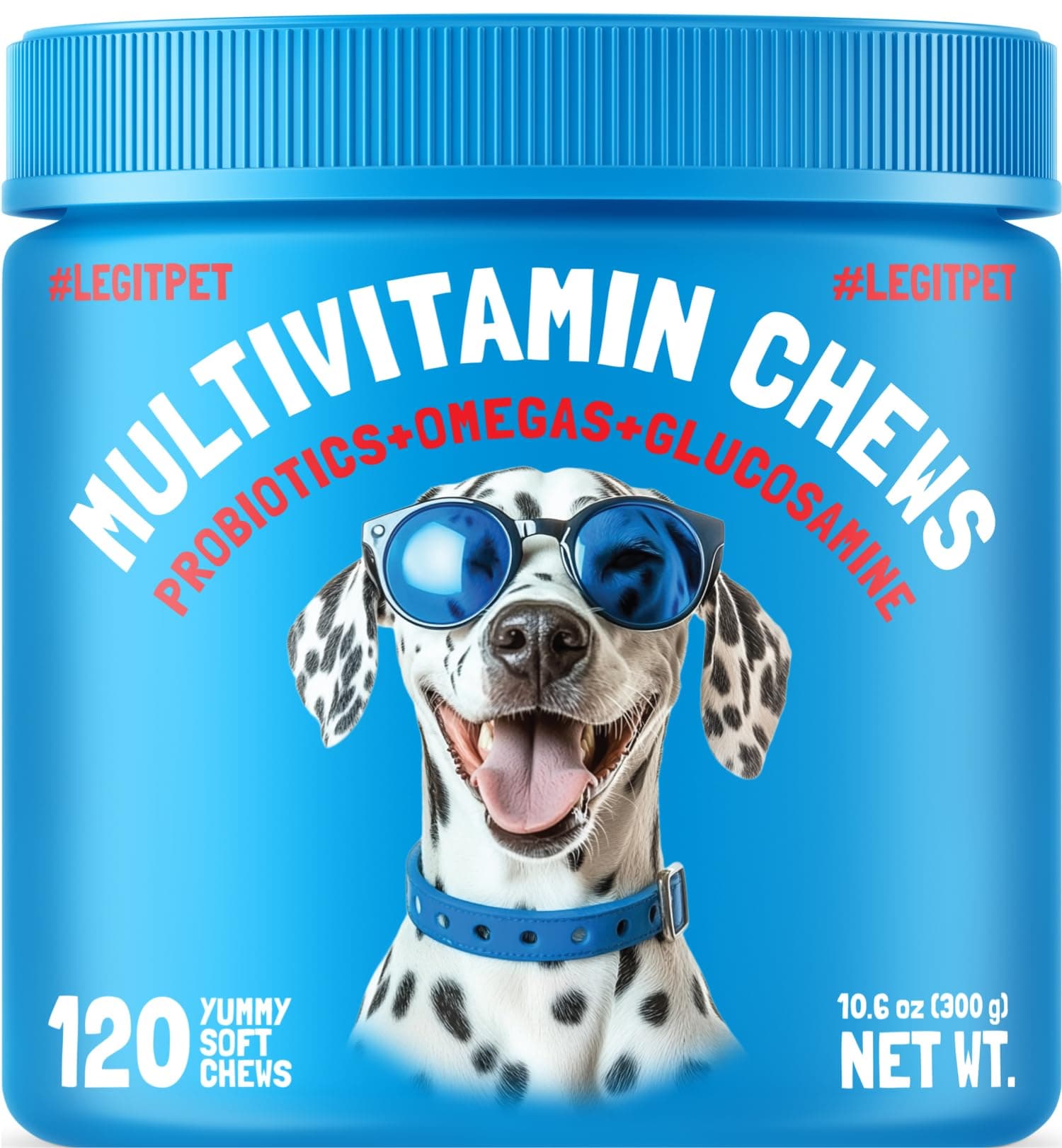
Helpful Products for Your Pug's Digestive Health

In Summary
Digestive problems can be a significant concern for Pug owners, but with awareness and proactive care, many issues can be managed effectively. Remember to pay attention to your Pug's eating habits and behaviors, and don’t hesitate to consult your veterinarian if any concerning symptoms arise. By staying informed and taking preventive measures, you can help ensure your Pug enjoys a happy, healthy life. Your attention and care make a world of difference.