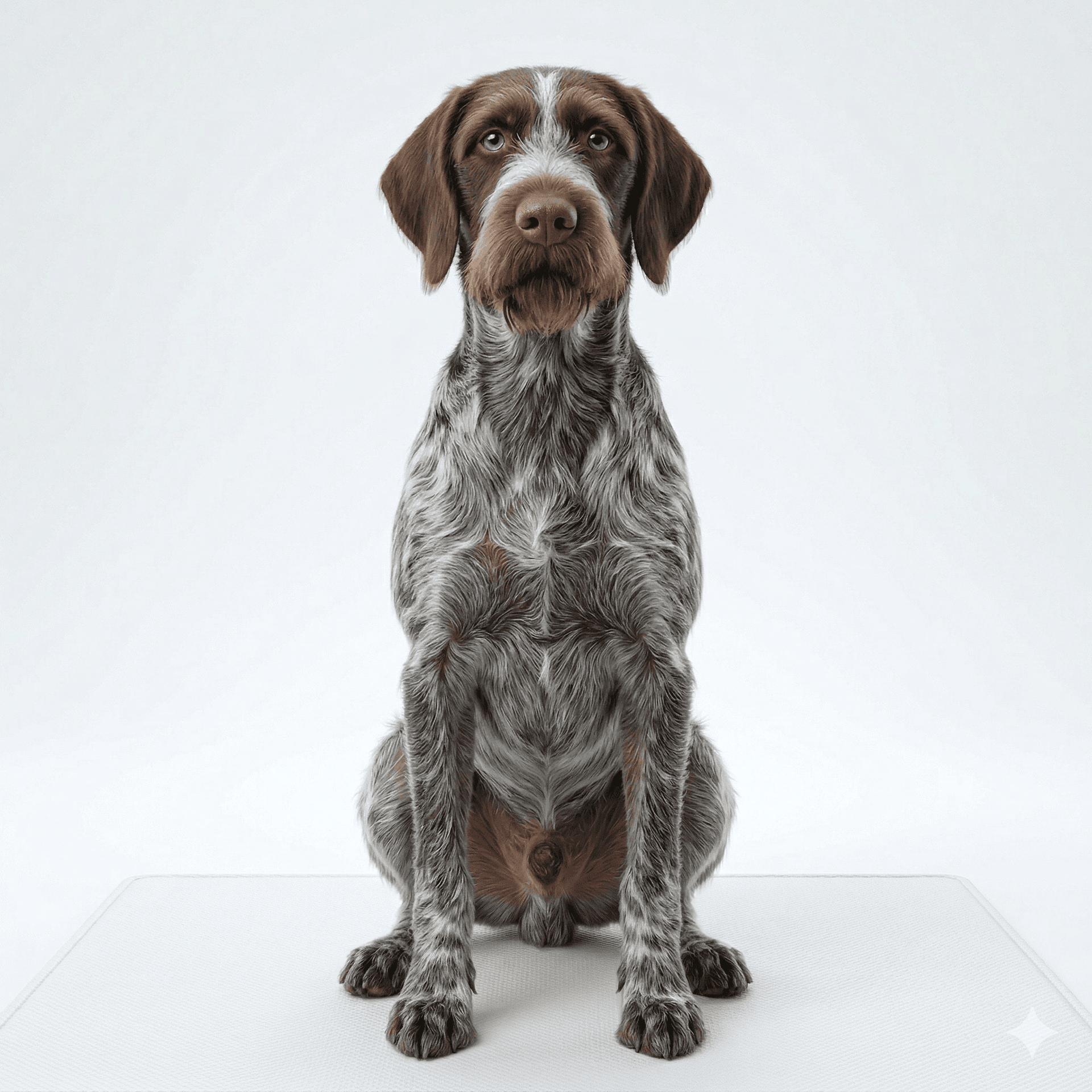
Skin Conditions & Itching in German Wirehaired Pointers: A Complete Owner's Guide
As a proud owner of a German Wirehaired Pointer, you might have noticed your energetic companion scratching more often than usual or developing patches of irritated skin. It's a common concern among this breed, who are known for their rugged appearance and hardworking nature. Understanding skin conditions and itching specific to German Wirehaired Pointers is crucial not only for their comfort but also for their overall health. With proper knowledge, you can tackle these issues effectively and ensure your four-legged friend remains happy and active.
What is Skin Conditions & Itching?
Skin conditions in dogs encompass a variety of issues, from allergies and infections to parasites and dermatological diseases, all of which can lead to itching. When a dog experiences itching, it often results from inflammation or irritation of the skin, which can be triggered by factors such as food allergies, environmental allergens (like pollen or dust mites), or even contact irritants (like certain shampoos or fabrics). The skin acts as a barrier, so when it’s compromised, it can lead to excessive scratching, biting, or licking, further exacerbating the problem. Understanding the underlying causes of skin issues in your German Wirehaired Pointer is the first step toward providing relief and preventing complications.
Warning Signs to Watch For in Your German Wirehaired Pointer
Being vigilant about your German Wirehaired Pointer's skin health is essential. Look for observable symptoms such as frequent scratching, biting, or licking of specific areas, which may indicate discomfort. You might notice redness, swelling, or hot spots—localized areas of inflammation. Fur loss or changes in coat texture can also signal skin problems. Other signs include scabs, crusts, or a foul odor emanating from the skin, suggesting an infection. Pay attention to any changes in behavior, such as increased irritability or restlessness. If your Wirehaired Pointer exhibits any of these symptoms, it’s important to consult your veterinarian for an accurate diagnosis and appropriate treatment.
Why German Wirehaired Pointers Are Particularly Affected
German Wirehaired Pointers, while generally robust, can be prone to specific skin issues owing to their unique coat and active lifestyle. Their dense, wiry fur is designed to protect them from the elements, but it can also trap moisture and debris, leading to conditions like dermatitis if not properly maintained. Additionally, this breed has a predisposition to certain hereditary health issues, such as entropion, which can cause irritation and scratching around the eyes. Moreover, their active lifestyle often exposes them to outdoor allergens and parasites, increasing their susceptibility to skin problems. Awareness of these breed-specific vulnerabilities can help owners take proactive measures to keep their pets comfortable and healthy.
How Serious Is It? When to See the Vet
While occasional itching may not always indicate a serious issue, persistent symptoms or the development of secondary conditions should prompt a visit to the vet. Red flags include severe itching that disrupts your dog's daily life, visible signs of infection (like pus or excessive redness), or if the itching leads to self-inflicted wounds. If your German Wirehaired Pointer’s skin condition seems to worsen or does not respond to home care after a few days, seeking veterinary advice is crucial. Early intervention can prevent more serious complications such as chronic dermatitis or infections, ensuring a quicker recovery for your beloved pet.
Treatment Options & What Your Vet Might Recommend
The treatment of skin conditions and itching in German Wirehaired Pointers will largely depend on the underlying cause identified by your veterinarian. Common recommendations may include medicated shampoos to soothe the skin, topical treatments to reduce inflammation, or antibiotics if an infection is present. Allergy testing may also be suggested to pinpoint specific allergens, followed by potential dietary changes or antihistamines to manage reactions. In some cases, your vet might prescribe corticosteroids for severe itching. It's essential to follow your veterinarian's advice and treatment plan closely, as addressing the root cause is key to long-term relief.
Preventing Skin Conditions & Itching in German Wirehaired Pointers
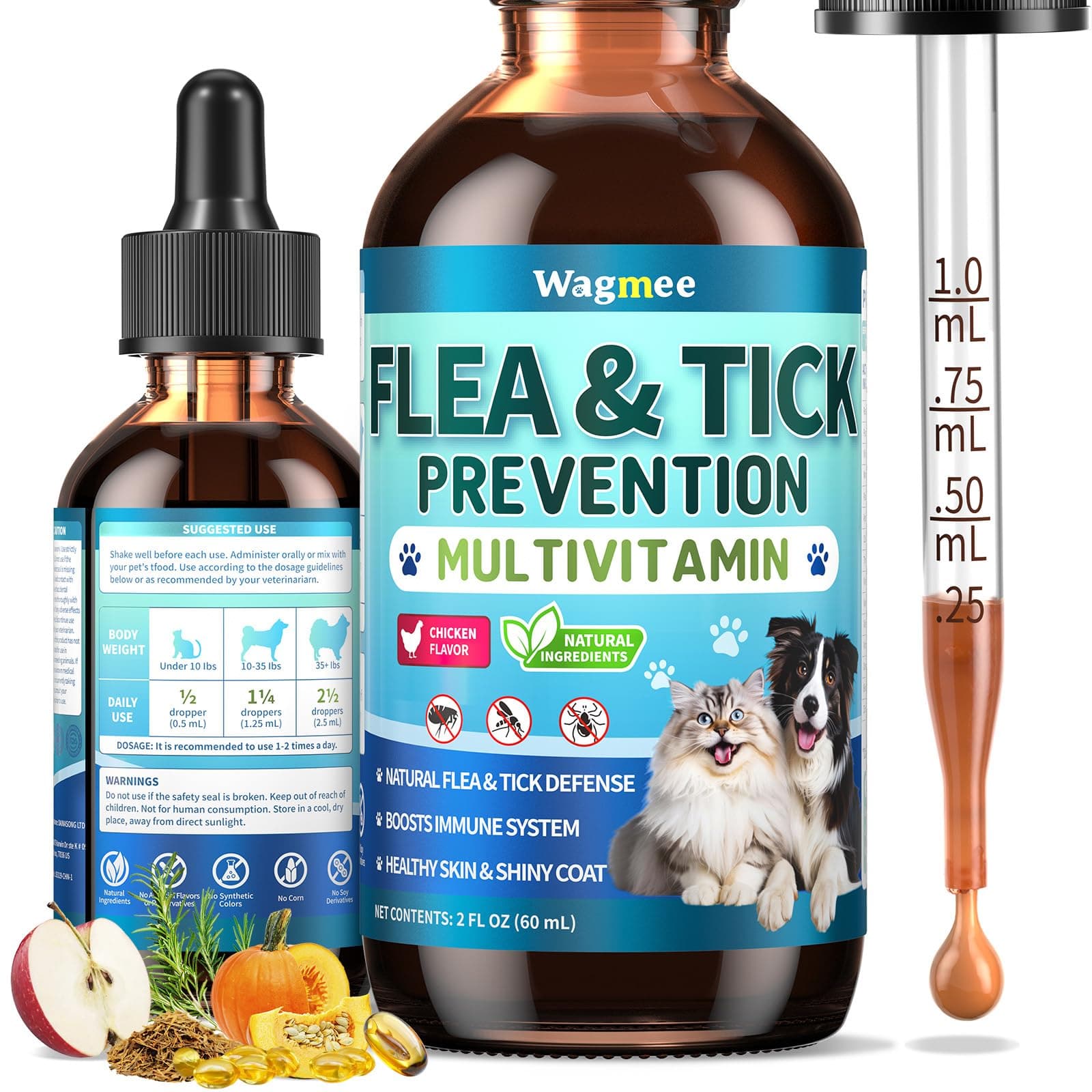
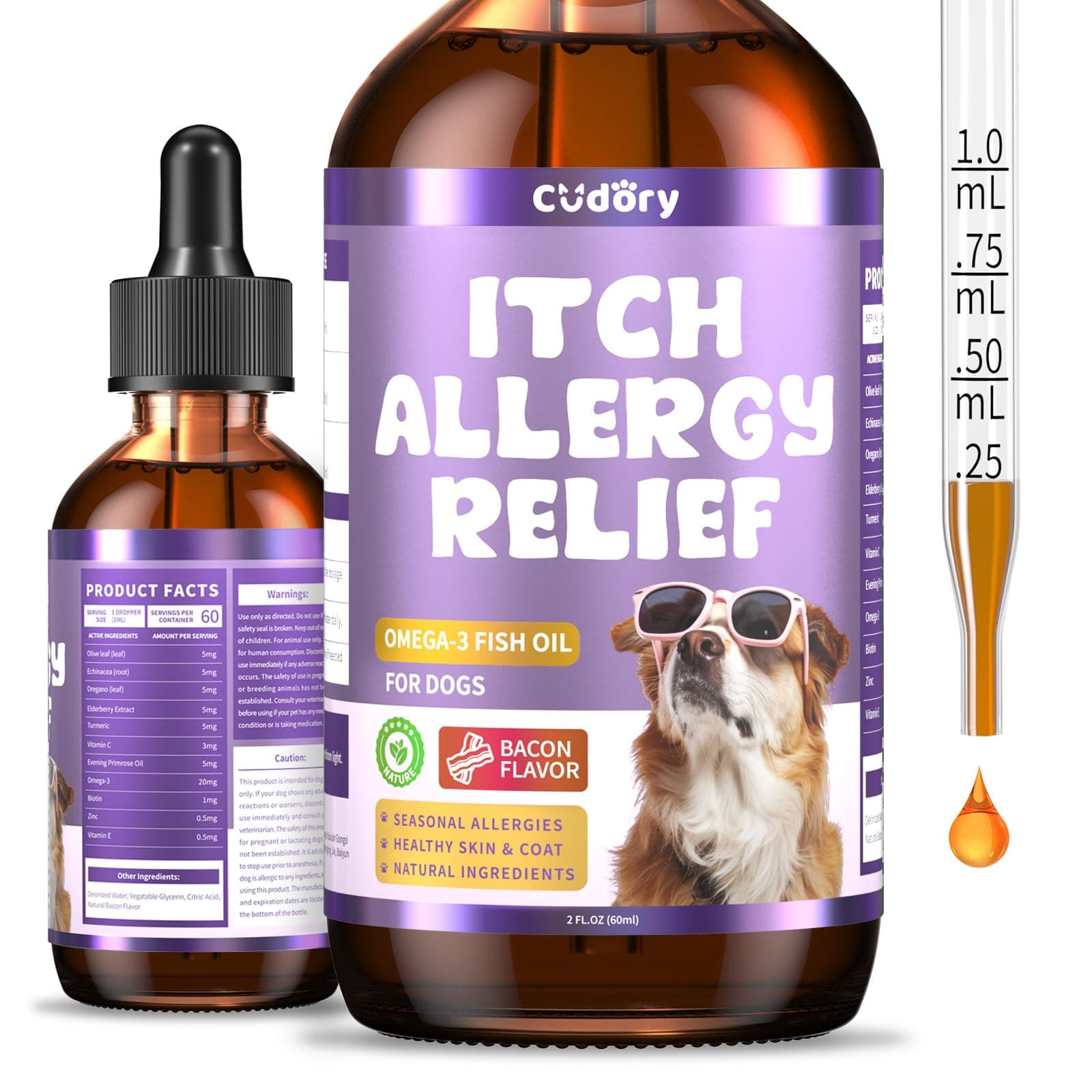
Preventive care plays a vital role in maintaining your German Wirehaired Pointer's skin health. Regular grooming, including hand-stripping rather than clipping the coat, can help prevent matting and allow for better air circulation. Ensure your dog’s environment is clean and free from irritants. Consider using hypoallergenic shampoos, like LEGITPET Oatmeal Dog Shampoo & Conditioner, to maintain skin moisture and health. Keep an eye on seasonal allergens and consider natural flea and tick prevention measures to reduce the risk of infestations. Regular vet check-ups and a balanced diet rich in Omega-3 and other nutrients can also bolster skin health and resilience against irritations.
Helpful Products for Skin Conditions & Itching

In Summary
In summary, understanding and addressing skin conditions and itching in your German Wirehaired Pointer is crucial for their comfort and health. By being vigilant about warning signs, seeking timely veterinary care, and following preventive measures, you can help your four-legged companion enjoy a happier, itch-free life. Remember, you're not alone in this journey; with the right knowledge and support, you can effectively manage these conditions and ensure your beloved pet remains healthy and active.