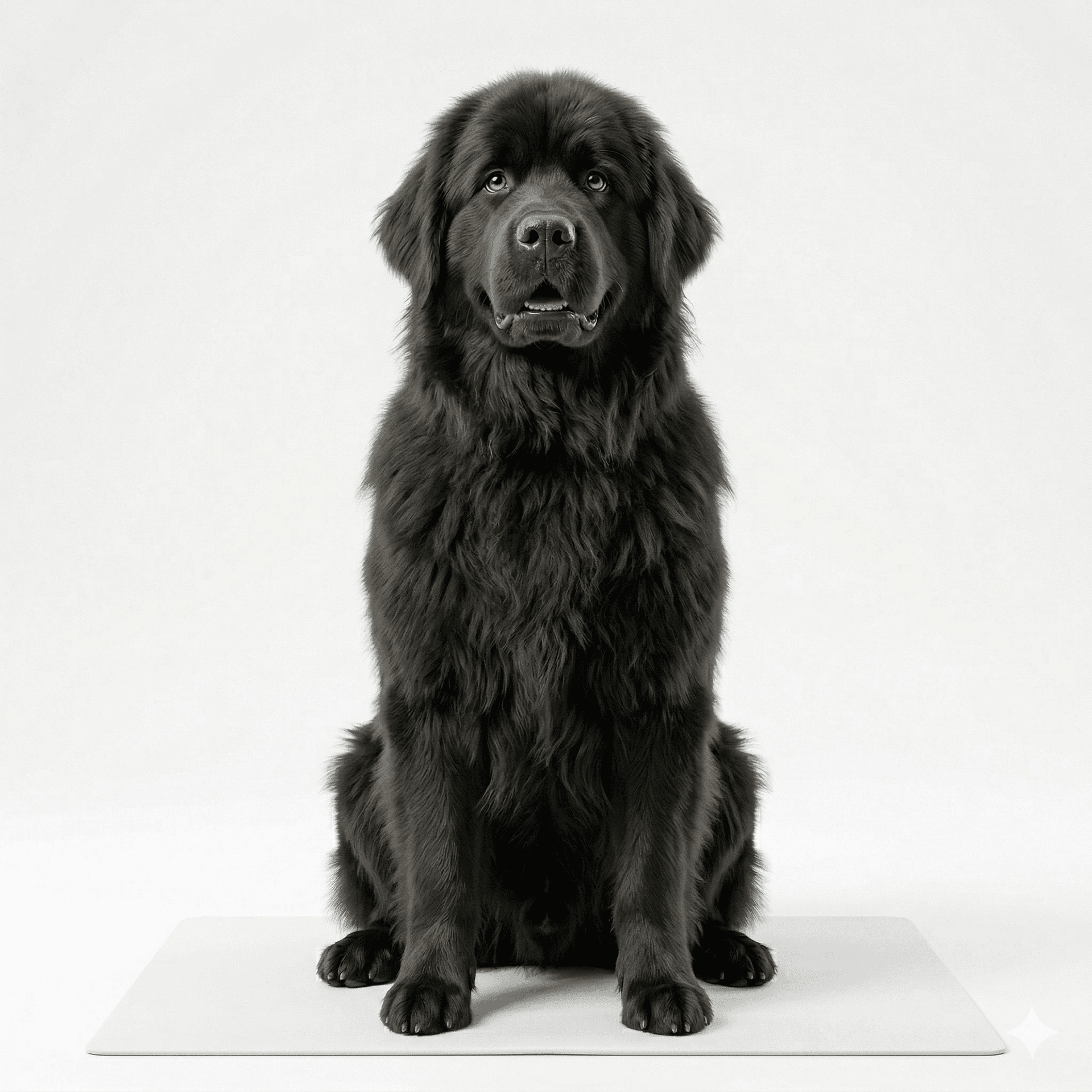
Training & Behavior in Newfoundlands: A Complete Owner's Guide
Welcoming a Newfoundland into your home can be a joyous experience, but understanding their unique training and behavior needs is crucial. Known for their gentle nature and impressive size, Newfoundlands require thoughtful guidance in training to ensure they become well-mannered companions. This breed’s intelligence and eagerness to please make them highly trainable, but their strength and size can also lead to challenges if not properly managed. From socialization to obedience, grasping the nuances of training and behavior in Newfoundlands will help you nurture a happy and balanced pet while avoiding potential issues down the line.
What is Training & Behavior?
Training and behavior encompass the methods and practices used to teach dogs commands, skills, and appropriate ways to interact with their environment and human companions. For Newfoundlands, who are known for their gentle demeanor but also their sheer size, the stakes of effective training are particularly high. Training involves consistent reinforcement of desired behaviors through positive techniques like treats, praise, and play. It’s essential to establish a clear communication channel with your Newfoundland, as they are intelligent and can pick up commands quickly when trained correctly. Understanding canine behavior is also crucial; recognizing signals of stress, excitement, or boredom can help you tailor your training methods to suit your dog's needs, leading to a more harmonious relationship.
Warning Signs to Watch For in Your Newfoundland
Being attuned to your Newfoundland’s behavior can help you identify any training or behavioral issues early on. Common warning signs include excessive barking, destructive chewing, or signs of anxiety such as pacing or hiding. If your Newfoundland is resistant to training commands or displays aggressive behaviors, these may indicate underlying issues that need to be addressed. Additionally, if your dog shows reluctance to engage with you or becomes overly shy around new people, socialization may be lacking. Pay attention to changes in behavior, such as sudden aggression or withdrawal; these can be indicators of stress or health problems. Regular observation will help you respond promptly to any behavioral concerns.
Why Newfoundlands Are Particularly Affected
Newfoundlands are known for their unique temperament, which can be shaped by their genetics and early experiences. Their natural inclination towards being calm, gentle giants makes them great family pets, but their size and strength can make poor behavior more pronounced. Health concerns prevalent in the breed, such as hip and elbow dysplasia or dilated cardiomyopathy, can also impact training and behavior. Pain or discomfort may lead to irritability or reluctance to engage in activities, complicating training efforts. Furthermore, their tendency to drool and shed heavily may require additional management, which can be overwhelming for owners if not addressed early on. Understanding these breed-specific vulnerabilities can guide you in creating a supportive training environment for your Newfoundland.
How Serious Is It? When to See the Vet
Recognizing when to seek veterinary advice regarding training and behavior is crucial for the well-being of your Newfoundland. If you notice any sudden changes in behavior—such as aggression, excessive barking, or withdrawal—it’s essential to consult a vet to rule out any underlying health issues. Additionally, if your dog shows signs of anxiety or stress that persist despite training efforts, professional guidance may be necessary. Remember, Newfoundlands are prone to various health conditions, and behavioral issues can sometimes signal discomfort or pain. If your Newfoundland refuses to engage in activities they once enjoyed or shows signs of distress during training sessions, don’t hesitate to reach out to your veterinarian for an evaluation.
Treatment Options & What Your Vet Might Recommend
When it comes to addressing training and behavior issues, your veterinarian may suggest a comprehensive approach tailored to your Newfoundland. This can include referral to a professional dog trainer or behaviorist experienced with giant breeds. Training programs may emphasize positive reinforcement techniques to help your dog learn effectively. If anxiety or behavioral problems are identified, your vet might recommend behavioral modification strategies or, in some cases, medication to help manage stress. Regular health check-ups are also crucial to monitor any physical issues that may impact behavior. Ultimately, collaboration with your vet ensures a holistic treatment plan for your Newfoundland.
Preventing Training & Behavior Issues in Newfoundlands
Preventative measures are key to ensuring your Newfoundland grows up to be a well-mannered companion. Early socialization is paramount; expose your puppy to various environments, people, and other pets to help them develop confidence and adaptability. Consistent training sessions from an early age will instill good manners and obedience, while positive reinforcement techniques make learning enjoyable. Establishing a routine can also be beneficial, as dogs thrive on structure. Regular exercise is essential—not only for physical health but also for mental stimulation, which can reduce behavioral issues. Engaging in activities like swimming or gentle walks can help channel your Newfoundland’s energy positively.
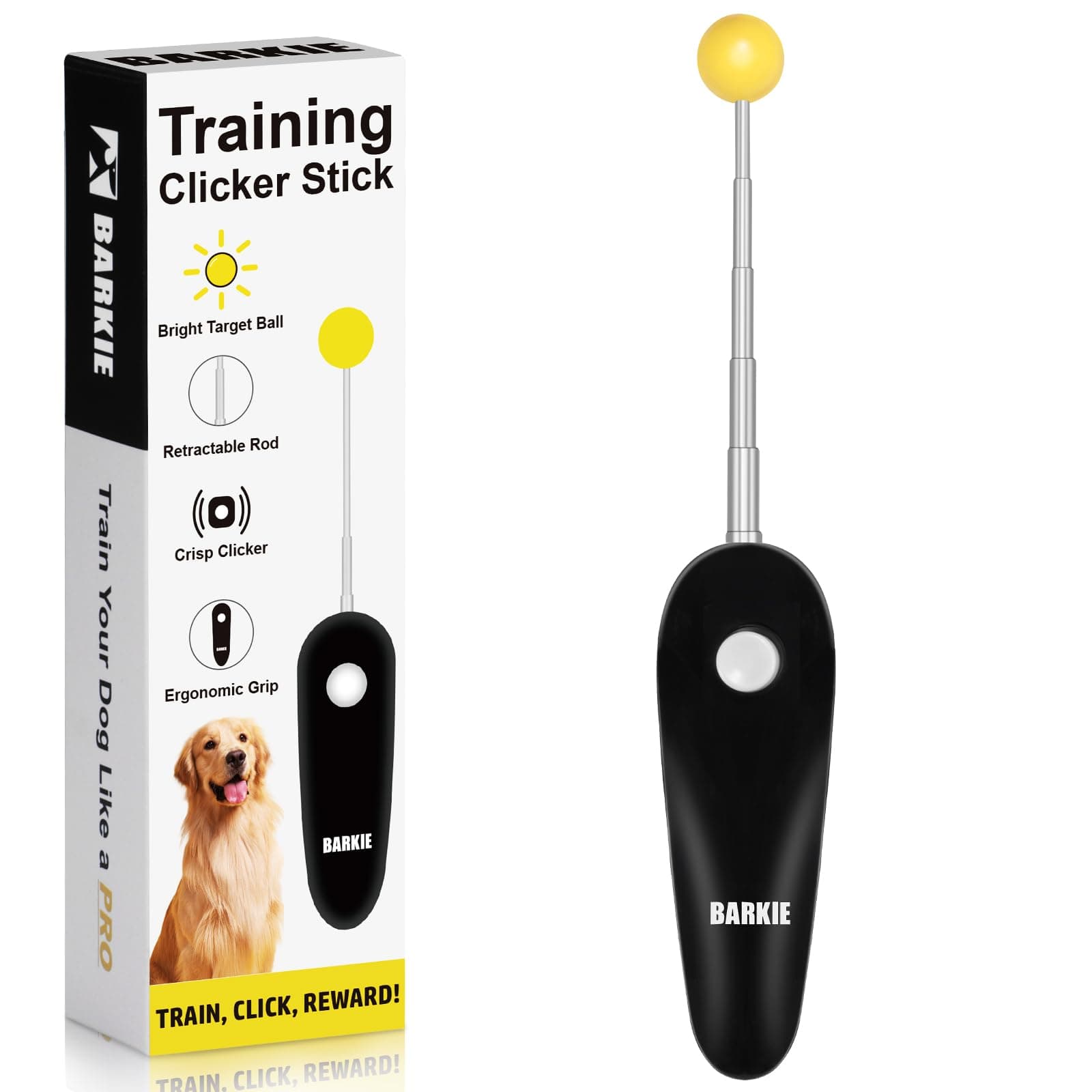
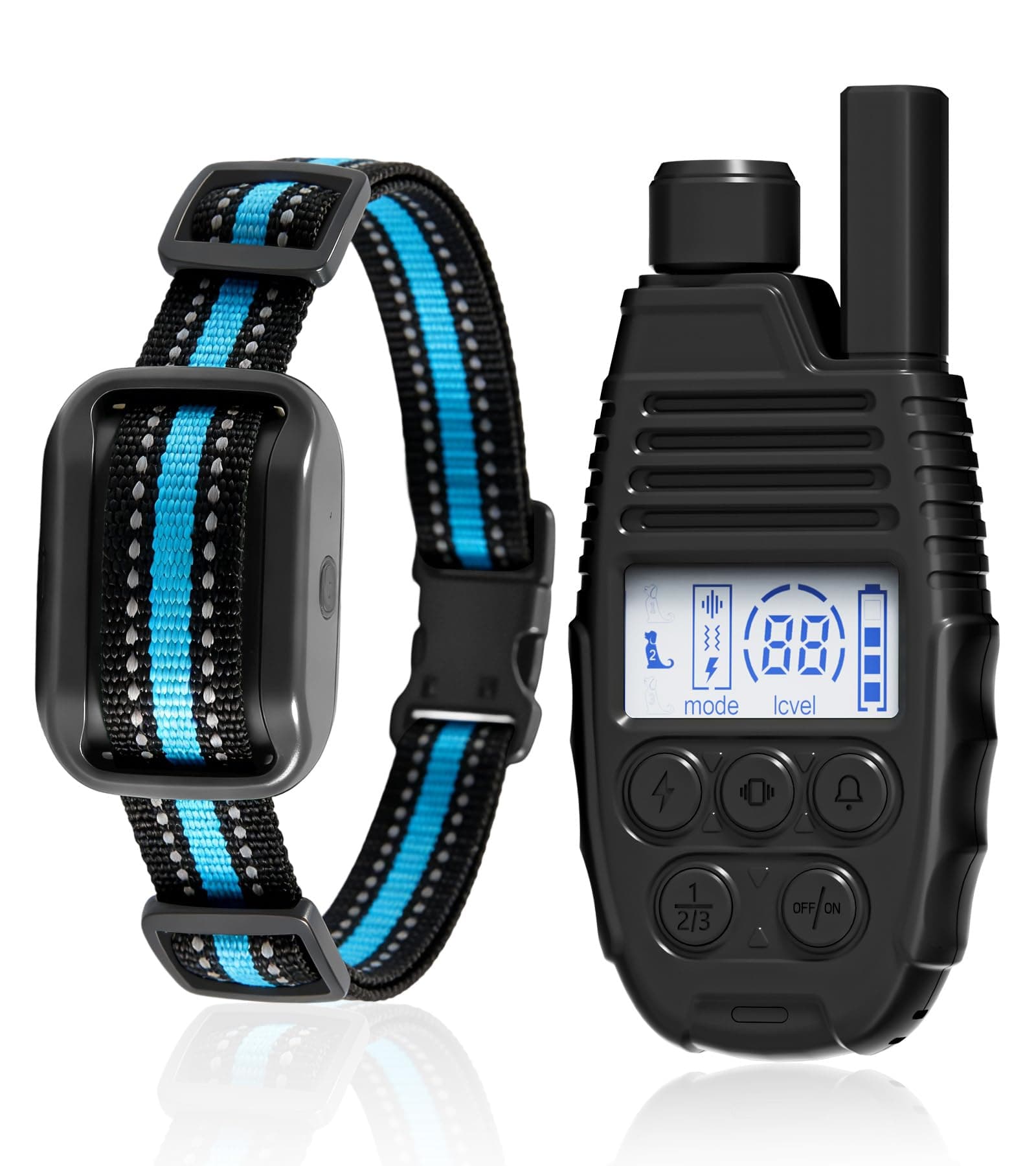
Helpful Training Tools for Newfoundlands

In Summary
Training and behavior management for your Newfoundland is an ongoing journey that requires patience, understanding, and commitment. By recognizing the unique needs of this breed and addressing any concerns early, you pave the way for a happy and fulfilling relationship with your furry friend. Remember, you’re not in this alone—your vet, trainers, and fellow Newfoundland owners can provide valuable support. With the right approach, your Newfoundland will thrive and become the loving companion you always envisioned.