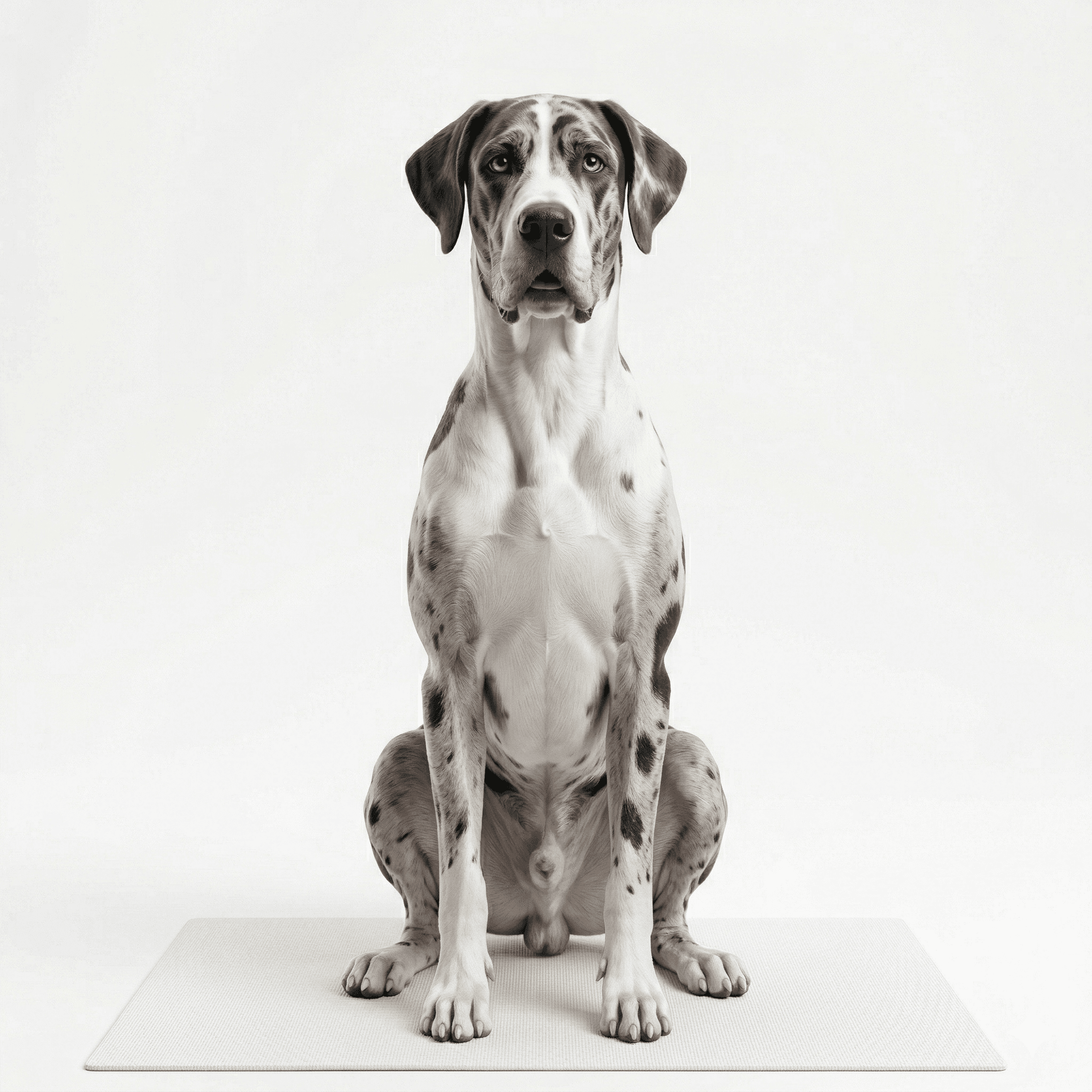
Training & Behavior in Great Danes: A Complete Owner's Guide
As a Great Dane owner, you might find yourself marveling at the gentle giant beside you, but with their majestic size comes unique training and behavioral challenges. Great Danes are not just large dogs; they are sensitive, intelligent, and occasionally stubborn. Understanding their specific needs is essential for a harmonious relationship. This guide will help you navigate the intricacies of training and behavior in Great Danes, ensuring that both you and your beloved pet thrive together.
What is Training & Behavior?
Training and behavior in dogs encompass the methods and practices used to shape canine actions and responses. It includes basic commands, socialization, and behavioral adjustments that foster a well-mannered pet. For Great Danes, effective training is crucial due to their size and strength; a poorly trained Great Dane can inadvertently cause harm simply through their sheer bulk. Positive reinforcement is the most effective training method, rewarding desired behaviors with treats, praise, or playtime. Understanding canine body language is also essential, as it helps owners recognize when their Great Dane feels anxious, excited, or threatened, allowing for timely interventions.
Warning Signs to Watch For in Your Great Dane
Every dog exhibits behaviors that can signal distress or behavioral issues. For Great Danes, watch out for signs such as excessive barking, destructive chewing, or sudden aggression. These behaviors can indicate anxiety or frustration that might stem from lack of training or socialization. Additionally, signs of fear such as cowering, hiding, or tail tucking can also arise if a dog is not adequately adjusted to its environment. If your Great Dane seems unusually lethargic or withdrawn, this could also indicate an underlying health issue or emotional distress. Regular observation of your dog's behavior allows for early detection of issues that may require professional guidance.
Why Great Danes Are Particularly Affected
Great Danes have unique behavioral characteristics influenced by their size, temperament, and health predispositions. Their gentle and friendly nature often leads them to be great companions, but they can also be sensitive and prone to anxiety if not properly socialized. Moreover, their physical vulnerabilities, such as susceptibility to bloat and heart conditions, can exacerbate behavioral issues. A Great Dane's size requires an owner to be especially consistent and confident in training; inconsistent commands can lead to confusion and frustration for the dog. Furthermore, their short lifespan means that behavioral issues should be addressed promptly to ensure a happy, healthy life.
How Serious Is It? When to See the Vet
It’s essential to differentiate between typical puppy antics and serious behavioral issues. If your Great Dane’s behavior changes significantly, or if they display signs of severe anxiety or aggression, it’s time to consult a veterinarian. Red flags include persistent destructive behavior, excessive barking, or any signs of aggression towards people or other animals. These behaviors can indicate underlying health issues or stress factors that need addressing. Additionally, if your dog shows sudden changes in appetite, energy levels, or social engagement, it’s advisable to seek a professional evaluation. Early intervention can make a significant difference in your dog's quality of life.
Treatment Options & What Your Vet Might Recommend
Treatment for behavioral issues often starts with a thorough evaluation by a veterinarian to rule out any underlying medical conditions. If a health issue is not the cause, your vet may recommend working with a professional dog trainer or behaviorist, particularly one experienced with large breeds. Training programs should focus on positive reinforcement and consistency to build your Great Dane’s confidence and obedience. In some cases, your veterinarian might suggest behavior modification techniques or, in severe cases, medication to help manage anxiety or aggression. Always follow veterinary advice closely and be patient; behavioral changes take time and commitment.
Preventing Training & Behavior in Great Danes
Preventive measures are vital in ensuring a well-adjusted Great Dane. Start training and socialization early, exposing your puppy to various environments, people, and other animals to build their confidence. Consistent training sessions that incorporate play can help maintain your Great Dane's attention and interest. Establish clear rules and routines to provide structure, as dogs thrive on predictability. Regular exercise is also essential for physical and mental health; a tired dog is often a well-behaved dog. Additionally, consider using tools like training collars (like the Shock Collar for Dogs) to assist in managing your dog’s training effectively while ensuring their comfort and safety.
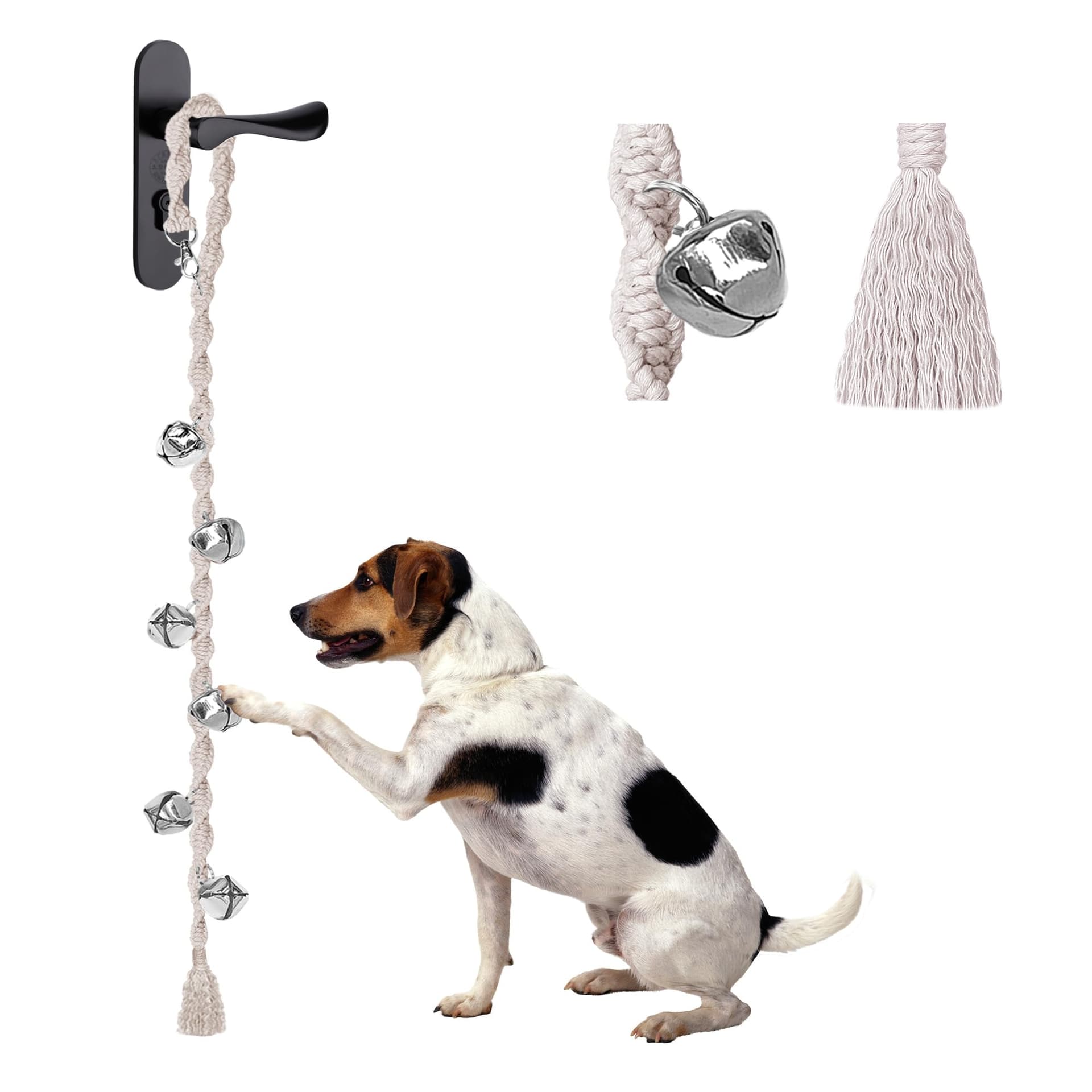
Helpful Training Tools for Your Great Dane


In Summary
Training and behavioral management are essential for the well-being of your Great Dane. By understanding their unique needs and maintaining a proactive approach, you can foster a loving, respectful relationship with your gentle giant. Remember, early attention to behavior issues can lead to a happier, healthier life for your beloved companion. Don't hesitate to reach out to your veterinarian for support along the way—you're not alone in this journey.