
Training & Behavior in Miniature Schnauzers: A Complete Owner's Guide
Miniature Schnauzers are a delightful blend of intelligence and spunk, but their spirited nature can sometimes lead to training challenges. As an owner, understanding their unique behavior and training needs is crucial. Miniature Schnauzers are known to be quite vocal and can display stubborn tendencies, so a well-structured training routine is essential. Moreover, their predisposition to certain health issues, such as pancreatitis, can affect their behavior and energy levels. This guide will help you navigate the intricacies of training your Miniature Schnauzer, ensuring a well-behaved and happy companion.
What is Training & Behavior?
Training and behavior encompass the methods and processes of teaching your dog commands, cues, and good manners. Training is not simply about obedience; it also involves instilling confidence, building a bond between you and your Miniature Schnauzer, and helping them understand their role in your household. Behavior, on the other hand, refers to how your dog responds to stimuli in their environment. Miniature Schnauzers are intelligent and eager to please, which can make training enjoyable, but they can also be independent thinkers. Positive reinforcement methods, such as treats and praise, work particularly well with this breed, as they thrive on encouragement. Early socialization and consistent training can help shape their behavior, making them well-adjusted members of your family.
Warning Signs to Watch For in Your Miniature Schnauzer
Being aware of your Miniature Schnauzer's behavior is key to identifying potential issues early. Some warning signs to look for include excessive barking, which may indicate anxiety or frustration, particularly if it becomes a habit. Additionally, signs of aggression, such as growling or snapping, can signal discomfort or fear. Changes in behavior, such as sudden withdrawal or lethargy, merit immediate attention, as they can indicate health problems, especially considering their predisposition to conditions like pancreatitis. Keep an eye on their interaction with other dogs and people; if they exhibit signs of fear or aggression, it may be time to consult a professional trainer or behaviorist. Recognizing these red flags early can help prevent more serious issues down the line.
Why Miniature Schnauzers Are Particularly Affected
Miniature Schnauzers have several traits that make them unique, and these can influence their training and behavior. Their intelligence and energy levels are high, which means they require regular mental and physical stimulation. If not adequately exercised or mentally engaged, they can develop behavioral issues. Additionally, their propensity for health conditions such as pancreatitis can impact their behavior; for example, a Miniature Schnauzer suffering from abdominal pain may become irritable or withdrawn. Furthermore, their tendency toward hyperlipidemia and urinary stones can affect activity levels, making it essential to monitor their diet and health closely. Owners should work closely with a veterinarian to ensure that any health concerns are addressed, as these can directly influence training outcomes.
How Serious Is It? When to See the Vet
Understanding the urgency of your Miniature Schnauzer's behavior is crucial for timely intervention. If your dog displays sudden changes in behavior, such as increased aggression, extreme lethargy, or persistent vomiting, it is essential to consult your veterinarian immediately. While training issues can often be managed with behavior modification strategies, underlying health problems must be ruled out first. Red flags include excessive barking that disrupts household peace, stubbornness that leads to refusal of basic commands, or signs of anxiety that affect their quality of life. Always trust your instincts—if something feels off with your Miniature Schnauzer's behavior, don’t hesitate to seek professional guidance.
Treatment Options & What Your Vet Might Recommend
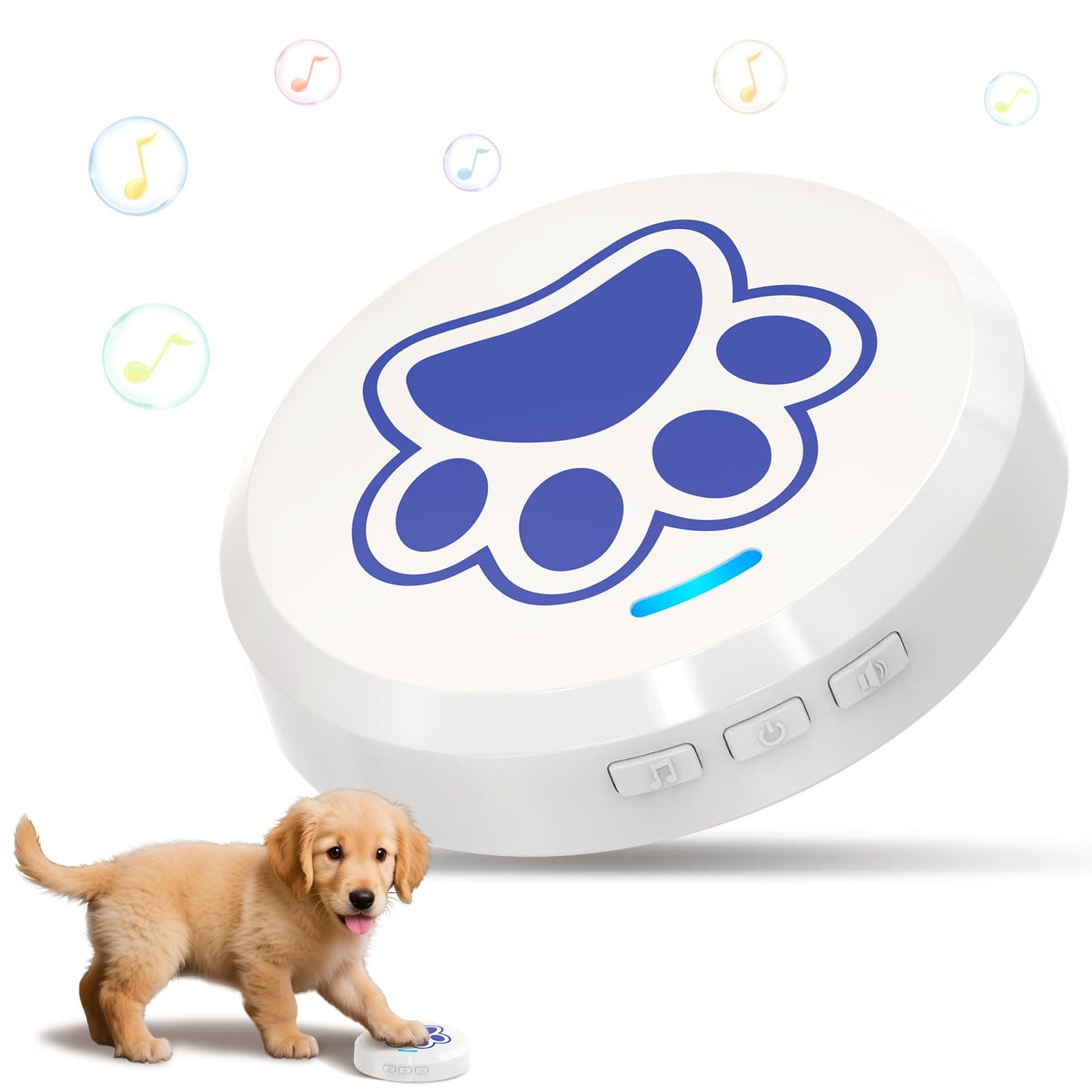
Treatment options for behavioral issues in Miniature Schnauzers can vary widely depending on the behavior in question. Your veterinarian may recommend behavioral therapy or refer you to a certified dog trainer who specializes in positive reinforcement techniques. In some cases, medications may be suggested to help manage anxiety or aggression, particularly if these behaviors stem from underlying health issues. Training tools like clickers or training bells can also be beneficial in reinforcing positive behavior. It’s crucial to involve your vet in any behavioral training program, especially given the health concerns prevalent in this breed, to ensure that your Miniature Schnauzer's physical well-being is also prioritized.
Preventing Training & Behavior Issues in Miniature Schnauzers
Prevention is always better than cure when it comes to training and behavior issues in Miniature Schnauzers. Start early with socialization and training, exposing your puppy to various environments, people, and other animals. Use positive reinforcement techniques to encourage desired behaviors and establish a routine that includes plenty of exercise and mental stimulation. Implementing interactive toys and training games can keep their minds sharp. Regular vet check-ups are also crucial for monitoring their health, especially since Miniature Schnauzers are prone to certain conditions that can affect their behavior. Lastly, maintaining a consistent training schedule and being patient with your Miniature Schnauzer will foster a trusting relationship, making training easier and more effective.
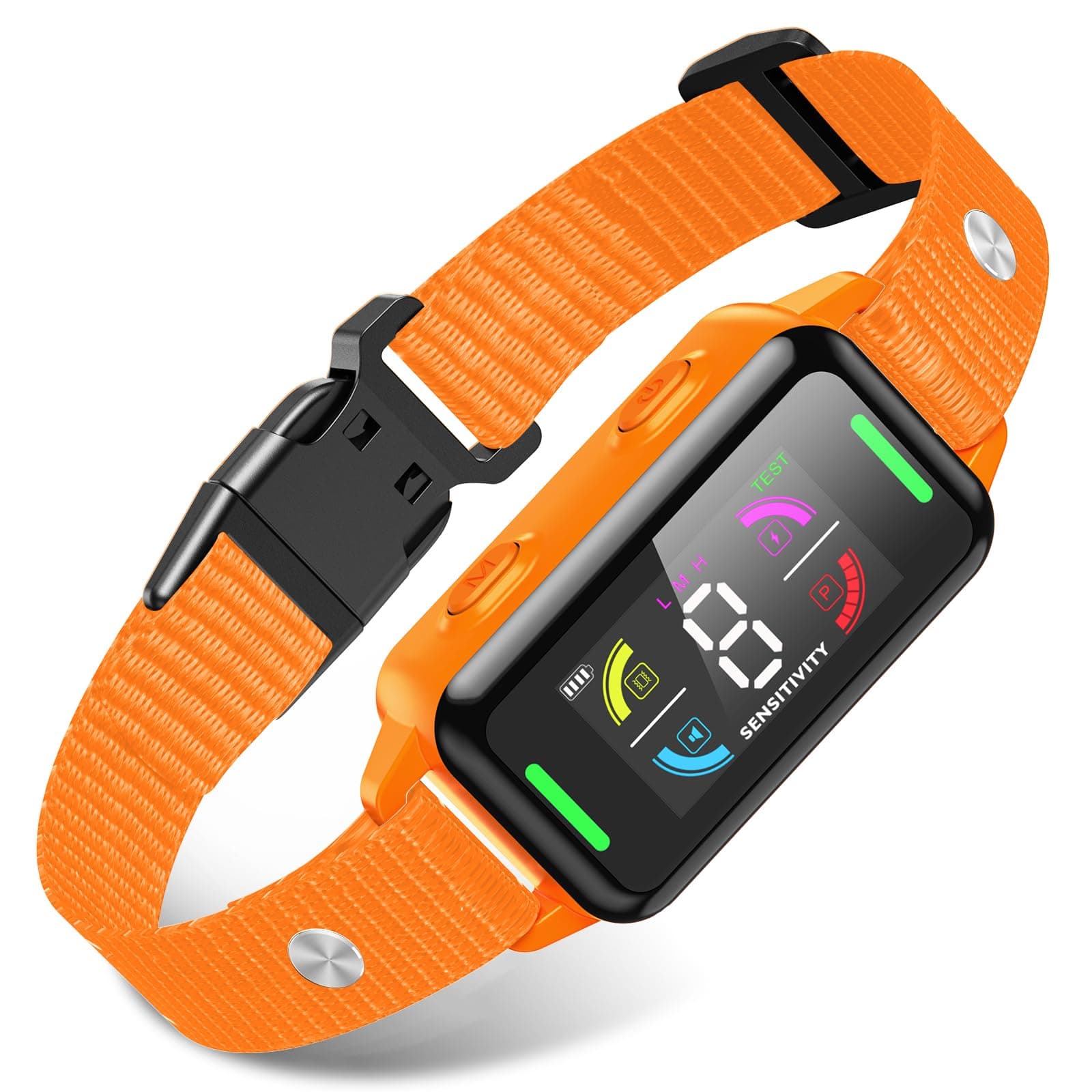
Helpful Training Tools for Miniature Schnauzers

In Summary
Training and managing the behavior of your Miniature Schnauzer can be both rewarding and challenging. By understanding their unique needs and potential health issues, you can foster a loving and well-behaved companion. Early intervention and consistent training practices make a significant difference in your dog's behavior. Remember, patience is key, and consulting with professionals when needed will help you navigate this journey successfully. Enjoy the process of bonding and learning together with your Miniature Schnauzer!