
Training & Behavior in Pomeranians: A Complete Owner's Guide
Pomeranians are vibrant little bundles of energy, but their spirited nature can sometimes make them challenging to train. Their small size and unique personality traits require specific training techniques tailored just for them. Understanding the nuances of Pomeranian behavior is not only essential for training but also for nurturing a strong bond between you and your furry friend. This guide will equip you with the knowledge you need to effectively train your Pomeranian while ensuring they remain healthy and happy.
What is Training & Behavior?
Training and behavior encompass the methods and practices used to teach dogs desired actions and responses while shaping their overall conduct. For Pomeranians, effective training relies on positive reinforcement techniques, such as treats and praise, to encourage good behavior. Behavioral issues can arise if a dog feels anxious or unfulfilled, highlighting the importance of consistent training to establish boundaries and expectations. This not only helps with obedience but also mitigates potential behavior problems. For instance, Pomeranians often exhibit vocal tendencies; thus, training them to moderate barking can be beneficial. Incorporating play and socialization into training sessions can also enhance your Pomeranian's learning experience, making it fun and engaging.
Warning Signs to Watch For in Your Pomeranian
When it comes to training and behavior, recognizing warning signs is crucial. Pomeranians may exhibit signs of anxiety, such as excessive barking, destructive chewing, or withdrawal from social interactions. Additionally, if your Pomeranian displays aggressive behavior, like growling or snapping, it could be a sign of fear or discomfort. Look for changes in their body language—tucked tails, flattened ears, and avoidance behaviors often indicate stress. Other red flags include difficulty focusing during training sessions or a sudden change in appetite or energy levels. Being vigilant about these signs can help you address potential behavioral issues before they escalate, ensuring a harmonious environment for both you and your Pomeranian.
Why Pomeranians Are Particularly Affected
Pomeranians are uniquely affected by training and behavior challenges due to their small size and specific health vulnerabilities. Conditions like luxating patellas and tracheal collapse can lead to discomfort that manifests as behavioral issues. For example, a Pomeranian with tracheal collapse may develop a honking cough that can cause anxiety, affecting their willingness to engage in training. Their crowded mouths predispose them to dental disease, which can lead to chronic pain and irritability. Understanding these breed-specific health concerns is essential; it allows owners to approach training with empathy, recognizing when underlying health issues may be influencing behavior. Addressing their physical health can significantly improve their emotional well-being and responsiveness to training.
How Serious Is It? When to See the Vet
Recognizing when to seek veterinary attention for your Pomeranian's training and behavior issues is vital. If you notice persistent changes in behavior, such as aggression, extreme anxiety, or lethargy, it’s crucial to consult your veterinarian. Additionally, if your Pomeranian begins to exhibit symptoms of tracheal collapse, like a honking cough or difficulty breathing, immediate veterinary evaluation is necessary. Other concerning signs may include refusal to eat, excessive barking, or difficulty in performing previously learned commands. Remember, early intervention can prevent more serious issues down the road, so don't hesitate to reach out to your vet if you have concerns about your Pomeranian's behavior.
Treatment Options & What Your Vet Might Recommend
Your veterinarian can provide various treatment options to address behavioral concerns in Pomeranians. This may include behavioral training programs or referrals to certified dog trainers who specialize in positive reinforcement techniques. In some cases, your vet may suggest anti-anxiety medications or supplements to help manage stress and anxiety, especially if your Pomeranian exhibits signs of severe anxiety. Additionally, regular health check-ups can help ensure that any underlying medical conditions are addressed, which can improve behavior. Working closely with your vet allows for a tailored approach that considers your Pomeranian's unique needs and circumstances.
Preventing Training & Behavior Issues in Pomeranians
Preventing training and behavior issues in Pomeranians involves consistency, patience, and early socialization. Start training your Pomeranian as early as possible, incorporating basic commands and socialization with other dogs and people. Utilize positive reinforcement methods, rewarding good behavior with treats, praise, or playtime. Consider investing in a good harness to avoid exacerbating tracheal collapse when walking or training your Pomeranian. Setting up a routine can also help your dog feel secure, as they thrive on predictability. Regular dental care and monitoring for health issues can also play a significant role in preventing behavioral problems. Remember, a well-exercised and mentally stimulated Pomeranian is less likely to engage in unwanted behaviors.
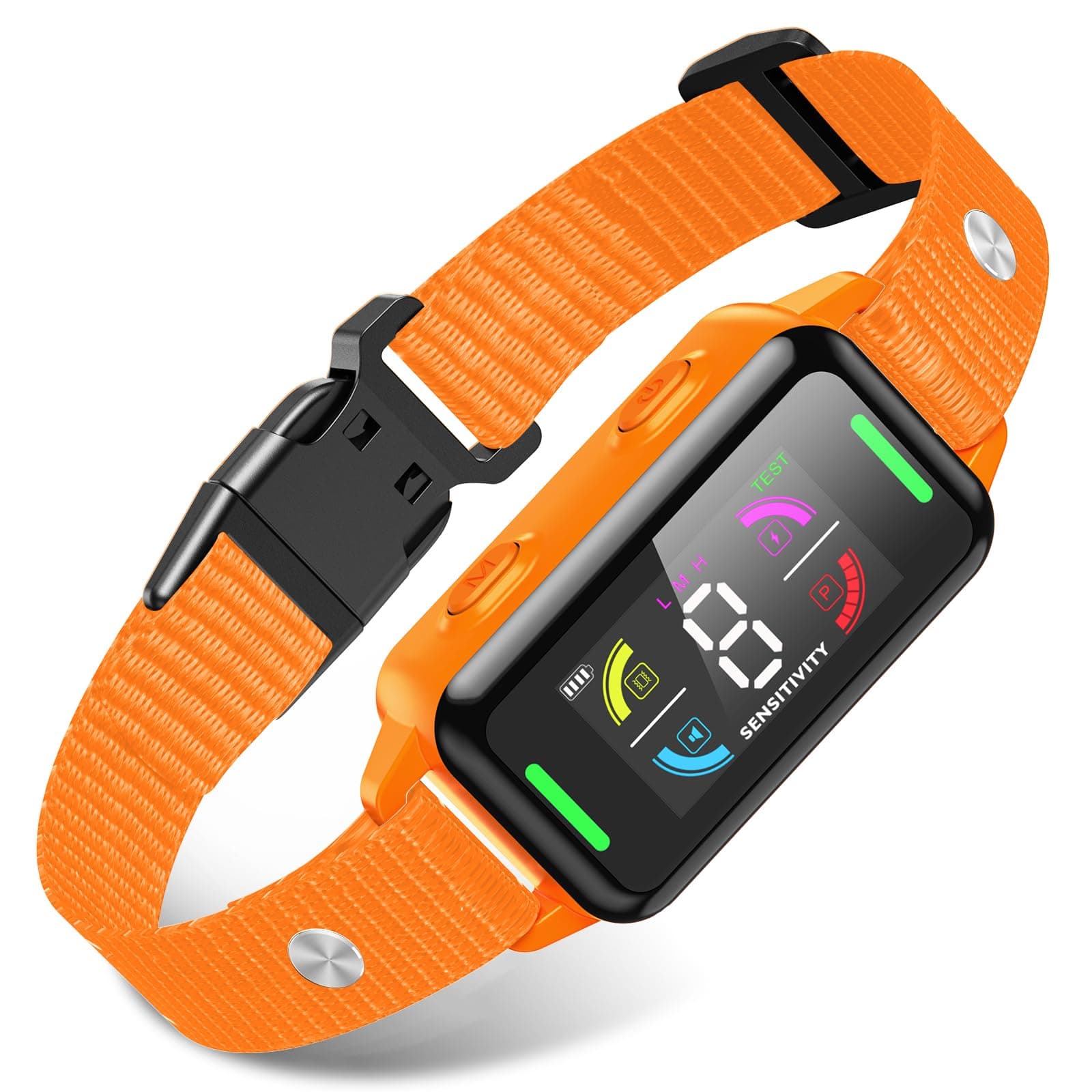
Helpful Training Tools for Pomeranians


In Summary
Training and behavior in Pomeranians require understanding and dedication. By being attentive to your dog's unique needs and early signs of distress, you can foster a stronger bond and a happier life together. Remember, consistent training, proper health care, and open communication with your veterinarian can make a significant difference. Embrace the journey, and enjoy every moment with your fluffy friend!