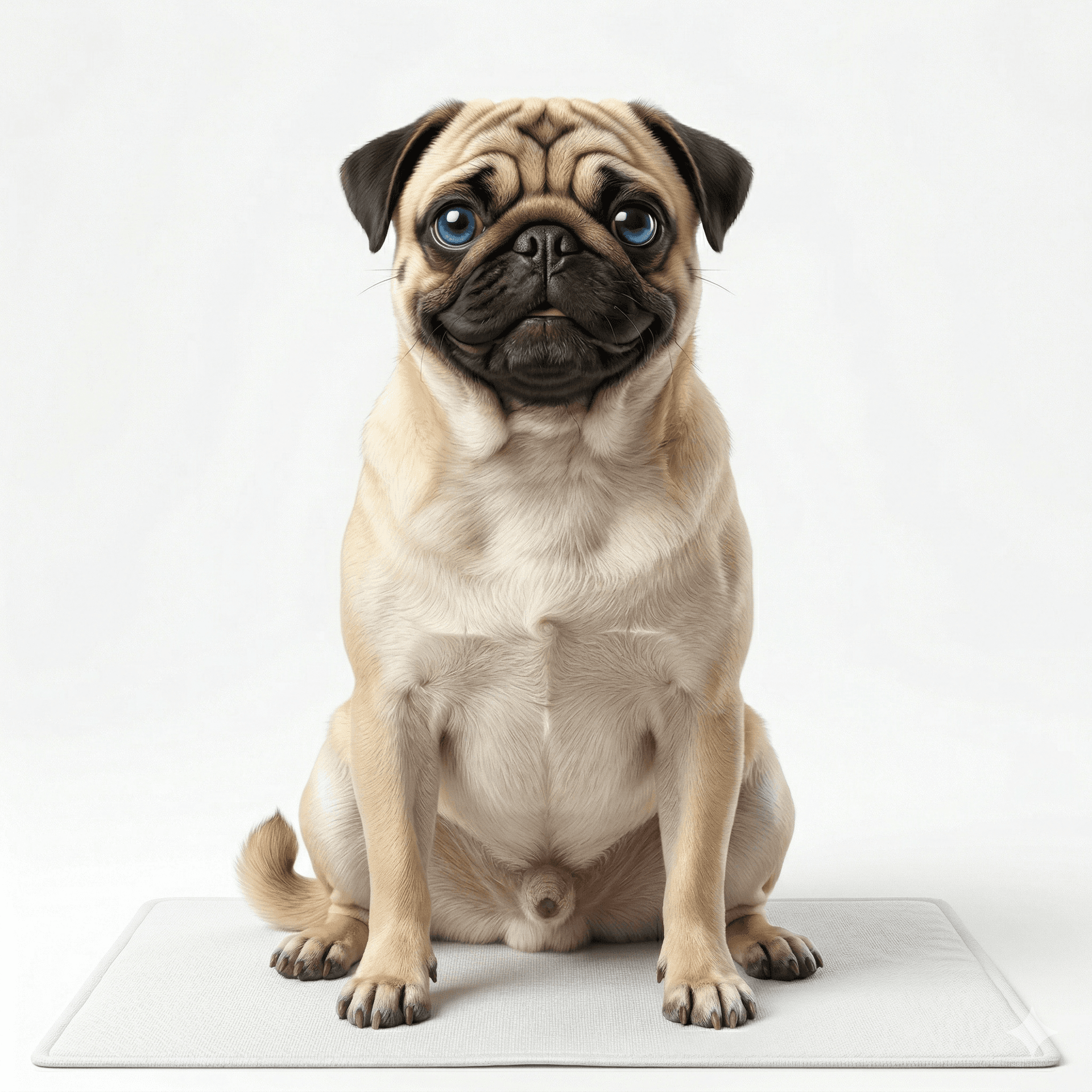
Training & Behavior in Pugs: A Complete Owner's Guide
Pugs are known for their charming personalities and playful antics, but they can also present unique training challenges. With their brachycephalic structure, these adorable companions may struggle with certain behaviors, especially if their health issues are not managed properly. Understanding how to effectively train your Pug while being mindful of their specific needs is crucial for a happy and harmonious relationship. This guide will help you navigate the intricacies of Pug training and behavior, ensuring both you and your furry friend thrive together.
What is Training & Behavior?
Training and behavior encompass the methods and practices used to teach dogs how to behave in various situations. For Pugs, effective training involves understanding their unique temperament and physicality. Training is not just about obedience; it also includes socialization, impulse control, and addressing behavioral issues. The mechanism behind training relies on consistent reinforcement, whether through positive rewards or corrections. Pugs are generally eager to please their owners, which can make training enjoyable. However, their stubbornness and distractibility can pose challenges. Utilizing patience, consistency, and positive reinforcement techniques will yield the best results in shaping your Pug's behavior.
Warning Signs to Watch For in Your Pug
Behavioral issues in Pugs can manifest in various ways. Some warning signs to look out for include excessive barking, destructive chewing, aggression towards people or other animals, and signs of anxiety or fear, such as cowering or hiding. Pugs may also exhibit signs of frustration or boredom, which can lead to unwanted behaviors. Physical symptoms such as difficulty breathing, excessive panting, or lethargy may indicate underlying health issues that can affect behavior. Pay attention to your Pug’s body language and vocalizations, as these can provide crucial insights into their mental state. Early identification of these signs allows for timely intervention and appropriate training adjustments.
Why Pugs Are Particularly Affected
Pugs have several breed-specific health challenges that can significantly impact their behavior and training. Their brachycephalic conformation can lead to breathing difficulties, causing stress and frustration during physical activity or training sessions. Conditions like brachycephalic obstructive airway syndrome (BOAS) can limit a Pug's stamina, leading to reluctance to engage in play or training. Additionally, health issues such as Pug dog encephalitis and neurological problems from hemivertebrae can affect their cognitive function and responsiveness to training. Joint issues like patellar luxation may cause discomfort during movement, further complicating training efforts. Understanding these vulnerabilities helps owners tailor training approaches to suit their Pug's physical and emotional needs.
How Serious Is It? When to See the Vet
Recognizing the urgency of behavioral changes in your Pug is crucial. If your dog exhibits sudden aggression, severe anxiety, or significant changes in appetite or energy levels, it's essential to consult a veterinarian promptly. These behaviors could indicate underlying health issues that require immediate attention. Additionally, if your Pug is struggling with basic obedience commands after a period of successful training, it may be time for a vet visit. Regular check-ups are vital, especially for Pugs, given their predisposition to health problems. Early interventions can prevent more serious complications and ensure a better quality of life for your furry friend.
Treatment Options & What Your Vet Might Recommend
Treatment for behavioral issues in Pugs often begins with a thorough veterinary evaluation to rule out any underlying health problems. Your vet may recommend behavioral modification techniques, which could include specialized training programs or consultation with a canine behaviorist. In some cases, medication may be prescribed to help manage anxiety or other behavioral issues. Training aids such as calming collars or pheromone diffusers can also be beneficial. Consistent reinforcement strategies, including positive rewards for desired behaviors, can lead to lasting improvements. Always follow your veterinarian's recommendations and collaborate on a comprehensive plan tailored to your Pug's specific needs.
Preventing Training & Behavior Issues in Pugs
Preventative measures are key to ensuring a well-behaved Pug. Start socialization early to expose your dog to various environments, people, and other pets. Consistent training from a young age helps establish good habits and reduces the likelihood of behavioral problems later on. Incorporating mental stimulation through interactive toys and puzzles can prevent boredom and destructive behaviors. Regular exercise is also essential, but be mindful of your Pug's physical limitations due to their brachycephalic nature. Short, frequent walks and moderate play sessions are ideal. Finally, maintaining a positive and patient training environment fosters trust and a strong bond between you and your Pug.
Helpful Training Tools for Pugs
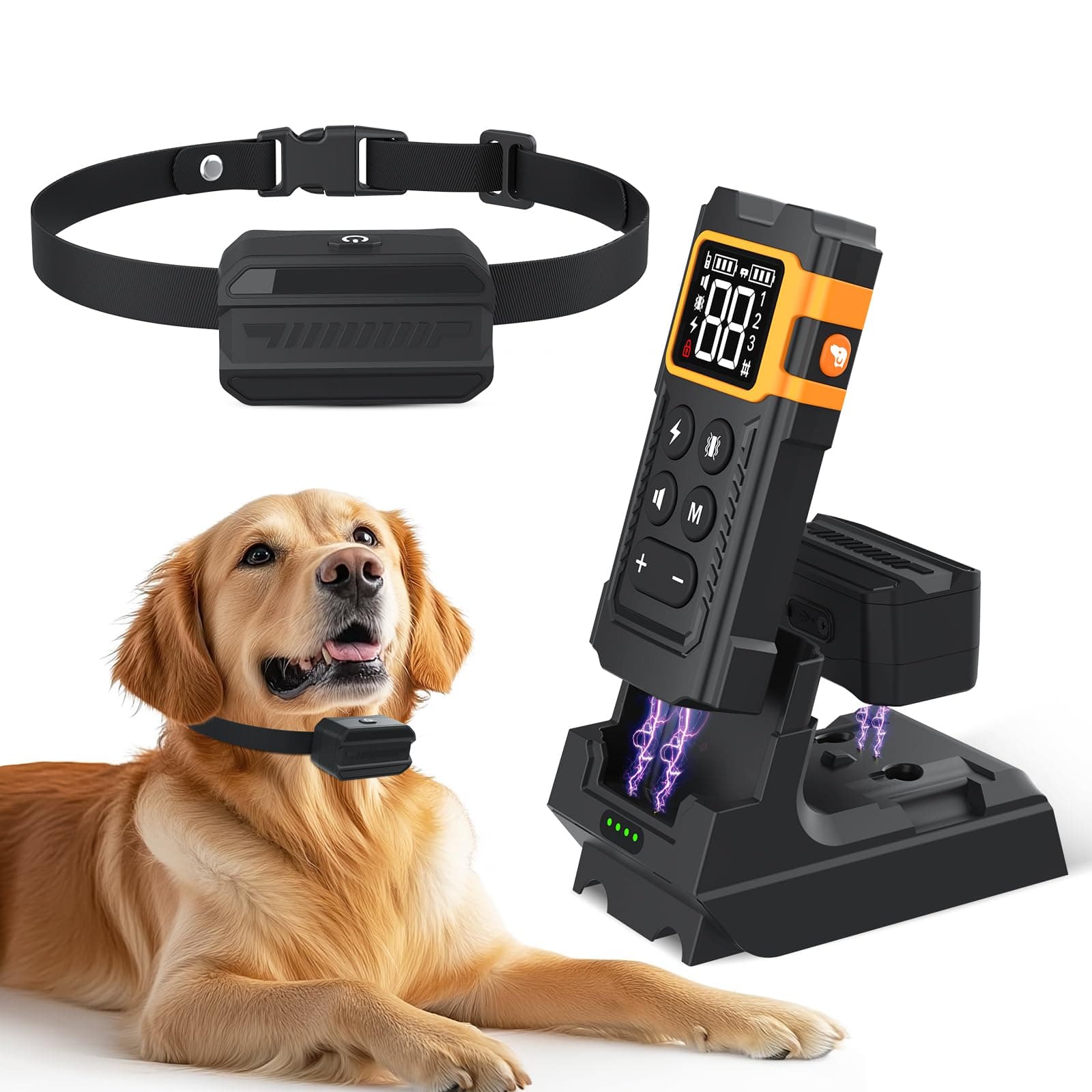
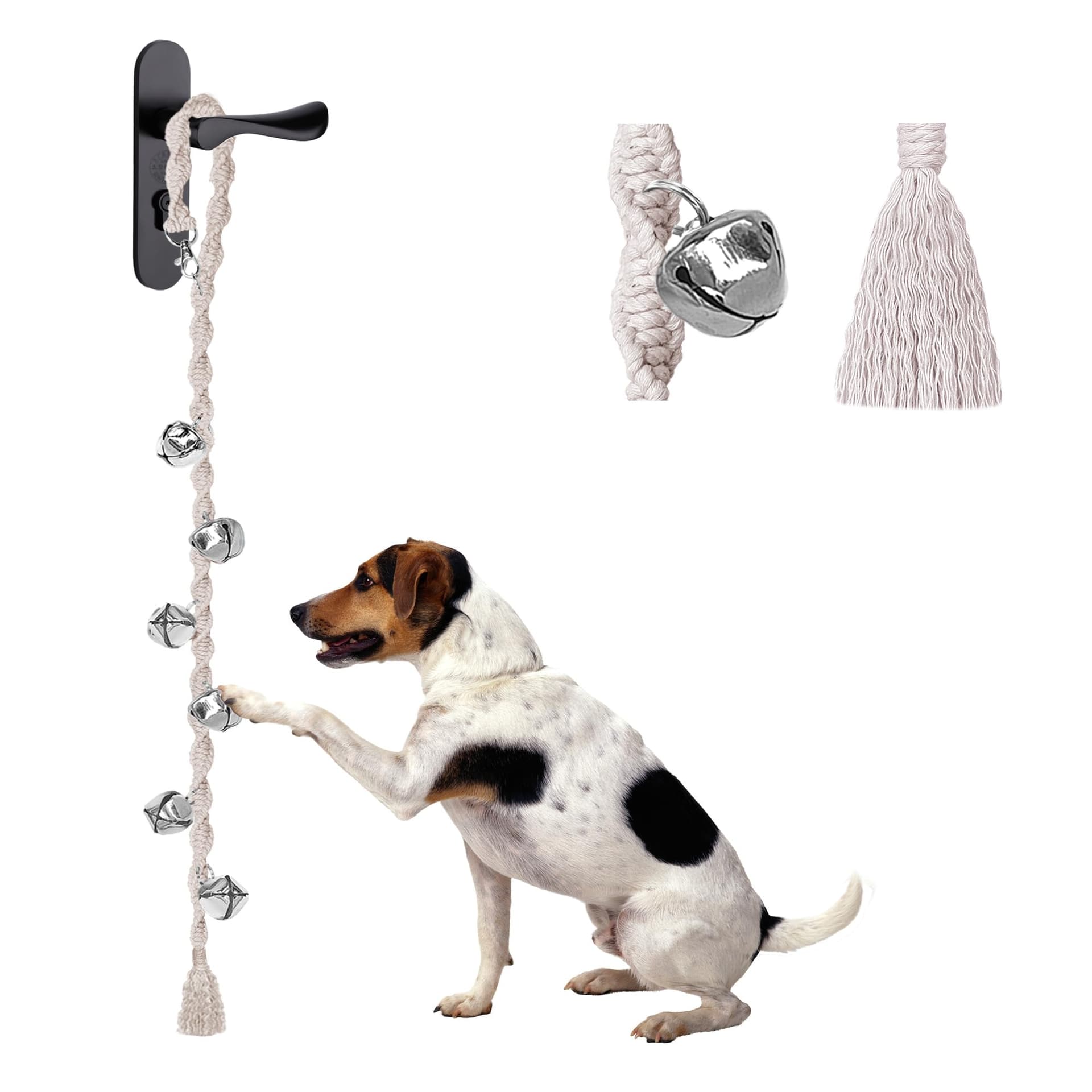
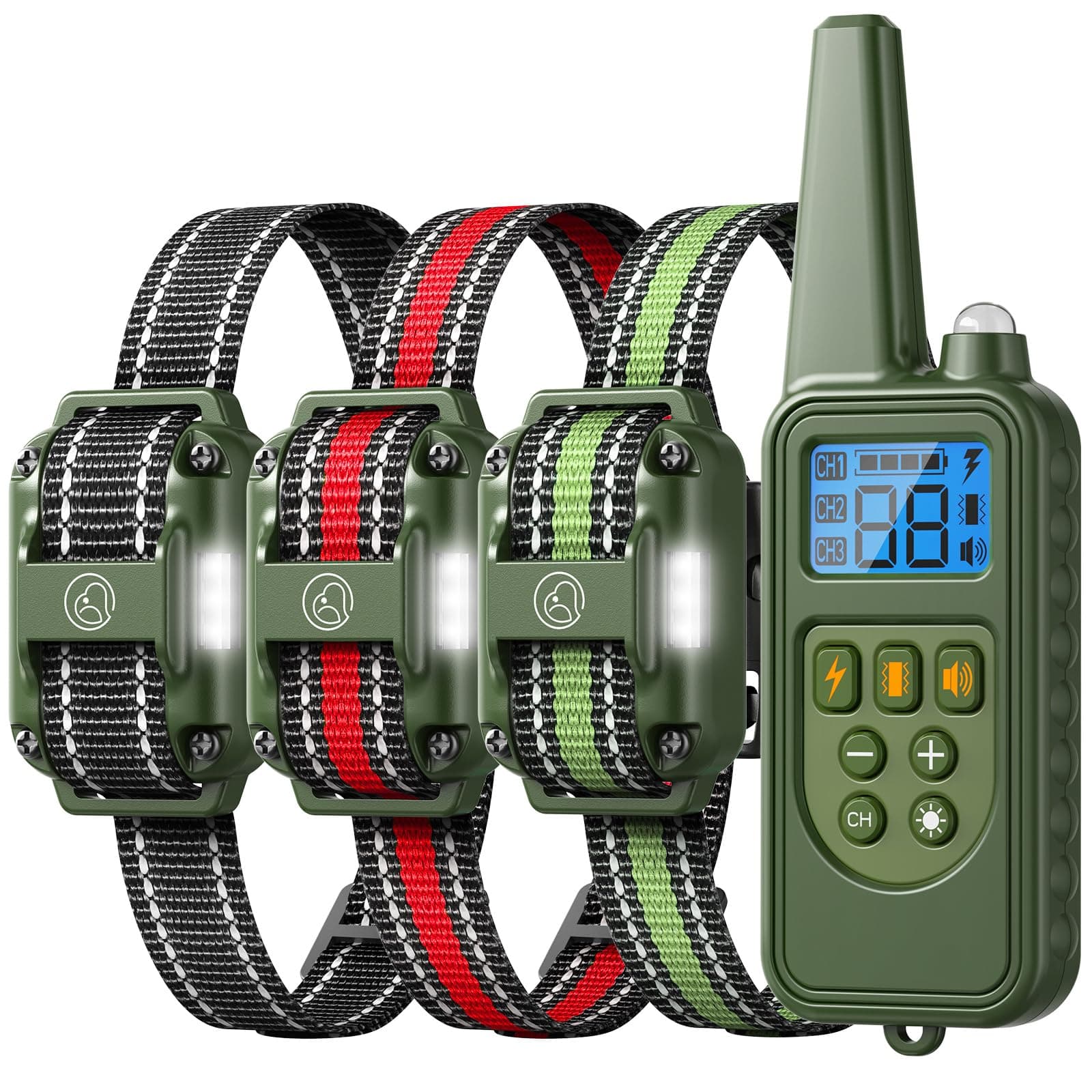
In Summary
Training and behavior management for Pugs can be a rewarding journey when approached with understanding and care. By recognizing their unique needs and potential health challenges, you can create a positive environment that fosters good behavior. Remember, early intervention and consistent training make a significant difference in your Pug's life. Enjoy the process, and cherish the bond you are building with your lovable companion.